
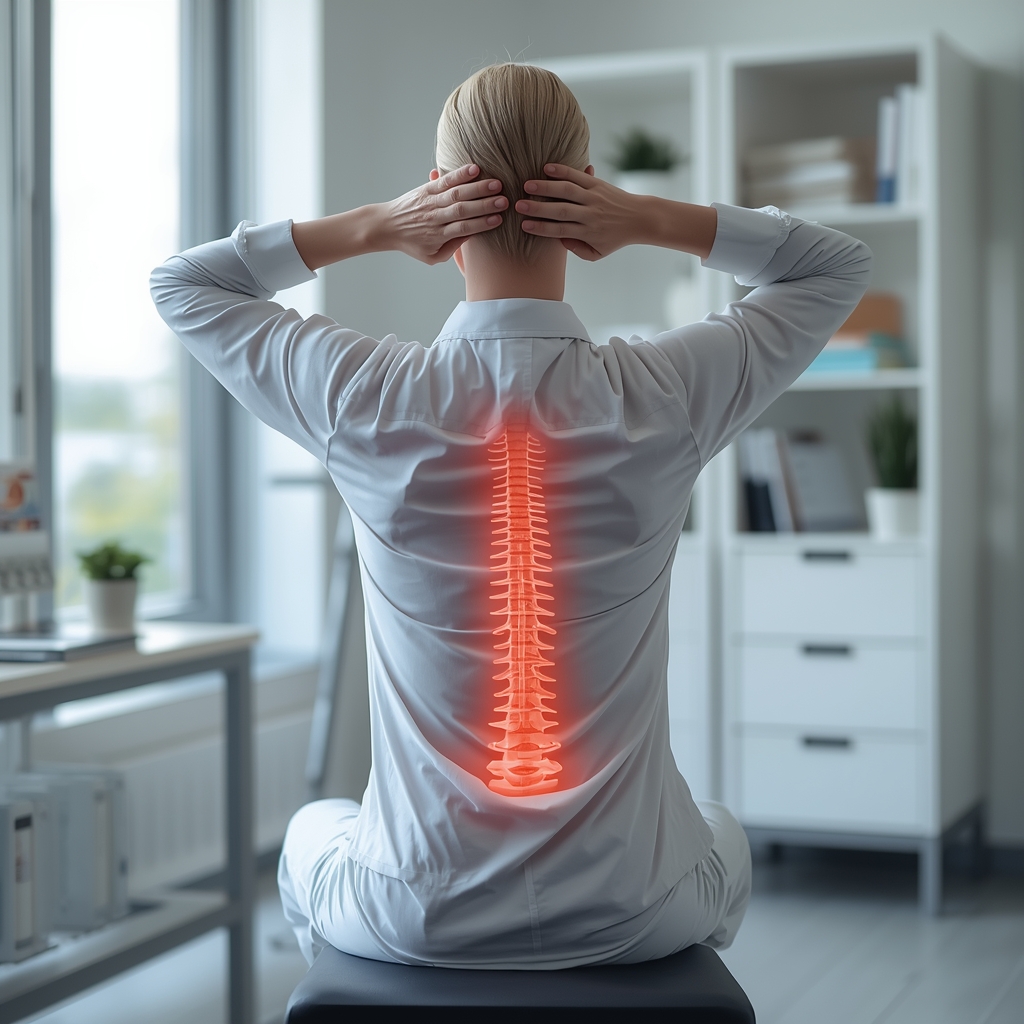
Understanding Post-Stroke Mobility Challenges
Stroke survivors often face significant mobility impairments due to damage in brain regions controlling movement, muscle weakness, or spasticity. These challenges can affect balance, coordination, and the ability to perform daily activities. While rehabilitation typically involves physical therapy, chiropractic care may complement traditional approaches by addressing musculoskeletal factors that influence recovery. Chiropractors focus on spinal alignment, nerve function, and soft tissue health, which can indirectly support mobility improvements. However, it is crucial to approach these interventions as part of a multidisciplinary plan, guided by healthcare professionals. Patients should consult their primary care provider or neurologist before starting any new treatment to ensure safety and appropriateness for their condition.
Spinal Adjustments and Nervous System Function
Spinal adjustments, a core chiropractic technique, aim to restore proper alignment of the vertebrae, potentially reducing nerve interference and improving communication between the brain and body. For stroke survivors, this may help alleviate musculoskeletal strain that develops from compensatory movement patterns. While direct evidence linking spinal adjustments to post-stroke recovery is limited, some studies suggest that maintaining spinal health can support overall nervous system function. Chiropractors may use gentle, modified techniques to avoid excessive force, especially in patients with reduced mobility or osteoporosis. These adjustments are often combined with other therapies to address specific mobility goals, such as improving range of motion or reducing pain that hinders movement.
Soft Tissue Therapy and Muscle Re-education
Soft tissue therapies, including massage and myofascial release, can help reduce muscle stiffness and improve circulation in areas affected by stroke. These techniques target tight or spasmodic muscles that may restrict movement or cause discomfort. By relaxing overactive muscles and enhancing blood flow, soft tissue therapy may support the body’s natural healing processes. Chiropractors may also incorporate neuromuscular re-education, which uses guided movements to retrain the brain to control affected muscles. While not a standalone solution, these approaches can complement physical therapy by addressing musculoskeletal barriers to mobility. Patients should work closely with their chiropractor to tailor these interventions to their specific needs and avoid overstimulation of weakened or sensitive tissues.
Corrective Exercises for Functional Improvement
Customized corrective exercises are a key component of post-stroke rehabilitation, focusing on restoring strength, balance, and coordination. Chiropractors may design exercise programs that target specific muscle groups, improve joint stability, and enhance neuromuscular control. These exercises often emphasize controlled movements to prevent compensatory patterns that could worsen mobility issues. Research highlights the importance of consistent, progressive exercise in stroke recovery, and chiropractors may collaborate with physical therapists to align these efforts. Patients are encouraged to perform exercises regularly under professional guidance to avoid injury and maximize benefits. While results vary, many find that structured exercise routines contribute to greater independence and confidence in daily activities.
Integrative Approaches and Multidisciplinary Care
Effective post-stroke mobility recovery often requires a holistic approach, combining chiropractic care with other therapies such as physical therapy, occupational therapy, and medication management. Chiropractors may refer patients to specialists for comprehensive care, ensuring all aspects of recovery are addressed. For example, a chiropractor might work alongside a physical therapist to address both musculoskeletal and neurological factors. This collaboration can lead to more personalized treatment plans that adapt to the patient’s progress. Patients should maintain open communication with all healthcare providers to avoid conflicting interventions. While chiropractic techniques can support mobility goals, they are most effective when integrated into a broader rehabilitation strategy tailored to individual needs.
Conclusion: Balancing Evidence and Individual Needs
Chiropractic care offers potential benefits for post-stroke mobility recovery by addressing musculoskeletal and nervous system factors. However, the evidence supporting its effectiveness remains limited, and results can vary widely among patients. It is essential to approach these interventions with realistic expectations and under the supervision of qualified healthcare providers. Stroke survivors should prioritize evidence-based practices and maintain a collaborative relationship with their medical team to ensure safe, effective care. While chiropractic techniques may contribute to improved mobility, they are not a substitute for conventional rehabilitation. By combining professional guidance with personalized strategies, patients can explore options that best support their recovery journey.













