
Understanding Chronic Plantar Fasciitis
Chronic plantar fasciitis occurs when the thick band of tissue connecting the heel to the toes becomes inflamed and painful, often due to repetitive strain or poor foot mechanics. Unlike acute cases, chronic plantar fasciitis persists for weeks or months, resisting standard treatments like rest and ice. This condition can significantly limit mobility and cause discomfort during daily activities. The plantar fascia tightens overnight, leading to sharp pain with the first steps in the morning. Addressing this requires a multifaceted approach, as the tissue needs both support and consistent stretching to heal effectively.
How Custom Orthotics Support Foot Function
Custom orthotics are personalized shoe inserts designed to correct biomechanical imbalances in the feet. By supporting the arch and aligning the foot properly, they reduce excessive strain on the plantar fascia. These devices distribute pressure more evenly, minimizing the pull on the tissue that causes inflammation. For chronic cases, orthotics help maintain proper foot positioning during weight-bearing activities, preventing further irritation. They also address issues like overpronation or high arches, which can contribute to plantar fasciitis. While not a standalone solution, orthotics provide foundational support that complements other treatments.
The Role of Night Splints in Plantar Fascia Care
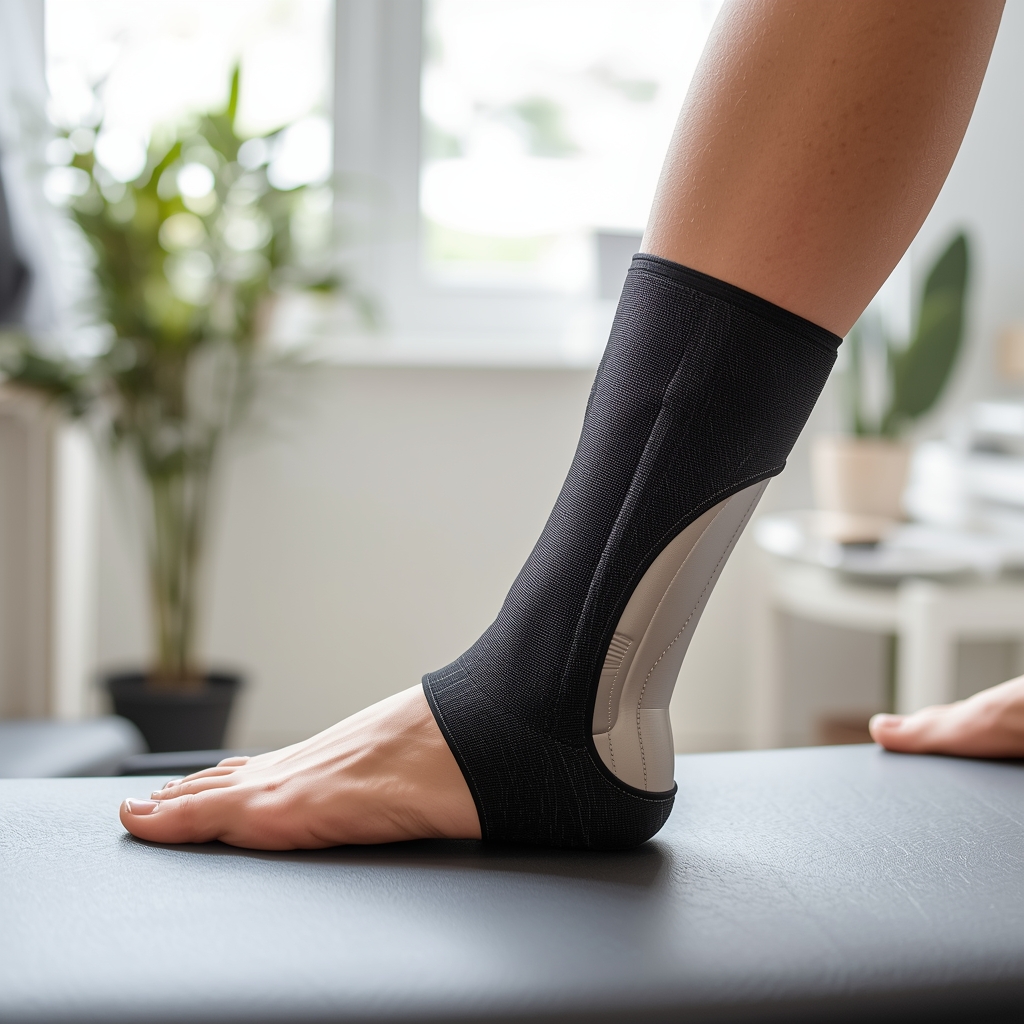
Night splints are devices worn during sleep to keep the foot in a stretched position, maintaining the plantar fascia's length. This prevents the tissue from tightening overnight, which is a common cause of morning pain. By applying gentle, sustained pressure, night splints encourage the fascia to remain elongated, promoting healing over time. They are particularly useful for patients whose symptoms worsen after rest. While some find them uncomfortable initially, many adapt to their use. Night splints are often recommended alongside other therapies to ensure the foot remains in a therapeutic position throughout the night.
Combining Orthotics and Night Splints for Enhanced Results
Using custom orthotics and night splints together creates a comprehensive approach to treating chronic plantar fasciitis. Orthotics provide daytime support, reducing strain during movement, while night splints address the issue of nighttime tightening. This dual strategy ensures the plantar fascia remains stretched and supported throughout the day and night. The combined effect can accelerate healing by maintaining optimal tissue flexibility and alignment. Patients may experience reduced pain and improved function more quickly than with either treatment alone. However, consistency is key, as both interventions require regular use to achieve lasting benefits.
When to Consider This Combined Approach
Chronic plantar fasciitis that persists despite initial treatments may benefit from combining orthotics and night splints. This approach is often recommended for individuals with structural foot issues, such as flat feet or high arches, or those who engage in activities that stress the feet. A chiropractor or podiatrist can assess the need for both interventions based on the patient’s symptoms and gait patterns. It’s important to note that these treatments work best when integrated into a broader care plan, which may include stretching exercises, physical therapy, or anti-inflammatory measures. Consulting a healthcare provider ensures the right combination of therapies for individual needs.
Consulting a Professional for Personalized Care
While custom orthotics and night splints can be effective, their success depends on proper fitting and usage. A chiropractor or foot specialist can evaluate the patient’s condition and recommend the most suitable options. Improperly fitted orthotics or incorrect use of night splints may worsen symptoms or cause new issues. Patients should also discuss any discomfort or concerns with their provider to adjust the treatment plan as needed. Combining these therapies with other evidence-based methods, such as stretching or manual adjustments, can enhance outcomes. Always seek guidance from a qualified healthcare professional to ensure safe and effective care for chronic plantar fasciitis.













