
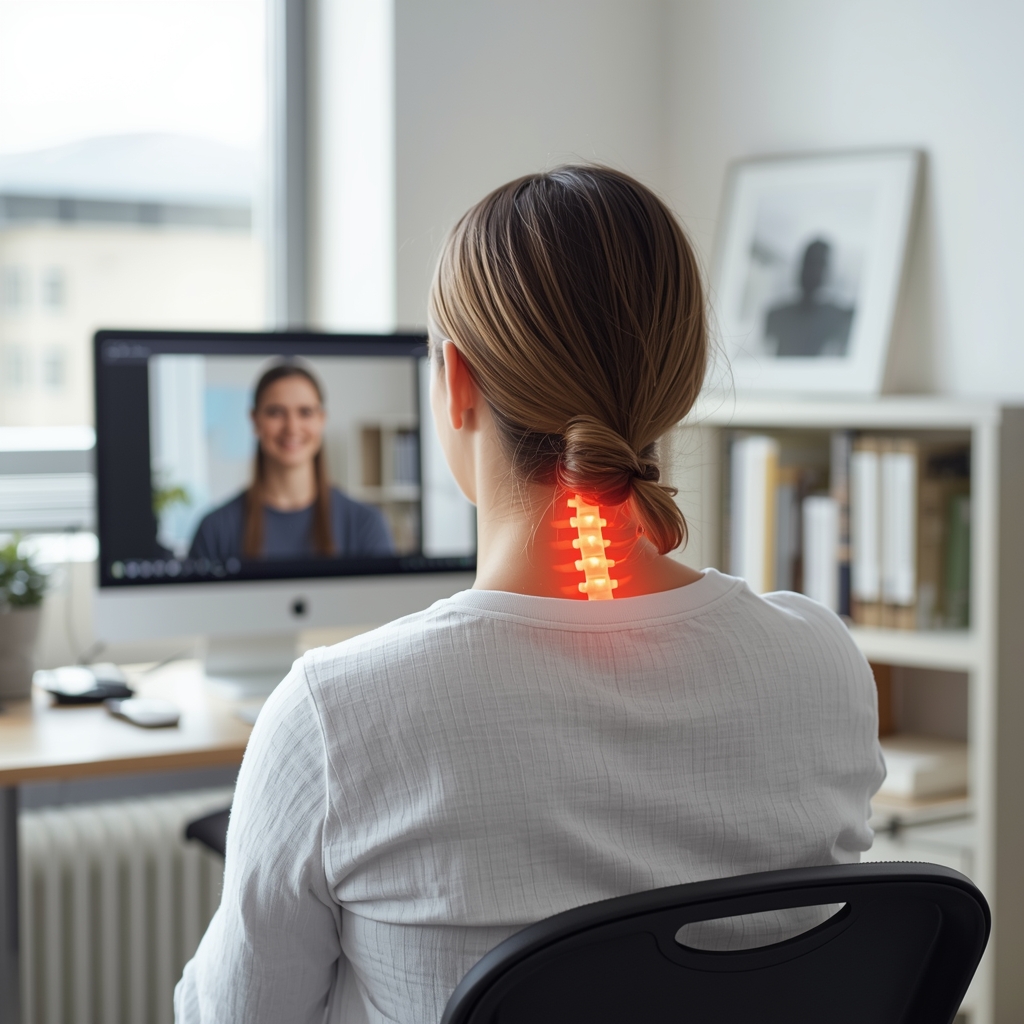
Personalized Exercise Plans Through Video
Chiropractors can leverage video consultations to create tailored home exercise regimens for chronic neck pain. By visually assessing a patient’s posture, range of motion, and pain triggers during a session, providers can design exercises that address individual needs. This approach fosters patient engagement by making the process feel collaborative. For example, a chiropractor might demonstrate gentle stretching techniques while explaining their purpose, then ask the patient to mirror the movements on camera to ensure proper form. This real-time interaction builds trust and ensures patients understand how each exercise contributes to their recovery. Personalization also increases adherence, as patients are more likely to follow a plan that feels specific to their situation.
Visual Demonstrations for Clarity
Video consultations allow chiropractors to use visual demonstrations to clarify complex exercises. Instead of relying solely on verbal instructions, providers can show patients how to perform stretches or strengthening movements step-by-step. For instance, a chiropractor might break down a neck rotation exercise into smaller components, pausing to highlight key points like maintaining a neutral spine. Patients can pause, rewind, or rewatch these demonstrations at their convenience, reinforcing proper technique. This method reduces the risk of improper form, which could worsen symptoms. By making exercises visually accessible, chiropractors empower patients to practice confidently at home, creating a stronger connection between in-office care and self-management.
Interactive Follow-Ups for Accountability
Regular video check-ins enable chiropractors to maintain engagement and track progress in managing chronic neck pain. During these sessions, providers can review the patient’s home exercise routine, address any challenges, and adjust the plan as needed. For example, a chiropractor might ask a patient to record a short video of their daily stretches, allowing the provider to assess form and offer feedback. This interactive approach keeps patients motivated by showing that their provider is actively involved in their care. It also creates opportunities to troubleshoot issues, such as difficulty with certain movements or persistent discomfort, ensuring the exercise regimen remains effective and safe over time.
Building Educational Resources for Patients
Chiropractors can enhance patient education by creating or curating video content that explains the science behind home exercises for neck pain. Short, focused videos on topics like muscle relaxation techniques or the role of posture in chronic pain can help patients understand their condition better. These resources can be shared via secure platforms, allowing patients to revisit them as needed. For instance, a provider might produce a 3-minute video demonstrating how to use a foam roller for neck tension relief. By offering consistent, accessible educational material, chiropractors reinforce key concepts and encourage patients to take an active role in their recovery, fostering long-term engagement.
Setting Realistic Goals and Milestones
Video consultations provide an ideal platform for chiropractors to help patients set achievable goals for their home exercise routines. By breaking down long-term objectives into smaller, measurable steps—such as improving neck mobility by 10% over six weeks—providers can keep patients motivated and focused. During sessions, chiropractors can review progress, celebrate small victories, and adjust targets as needed. This goal-oriented approach helps patients see tangible improvements, which strengthens their commitment to the program. Additionally, regular discussions about progress create a sense of accountability, making it more likely that patients will stick with their exercises and report any changes in symptoms promptly.
Encouraging Patient Feedback and Adaptation
Open communication is critical for effective home exercise management, and video consultations make it easier for chiropractors to gather patient feedback. Providers can ask patients to share their experiences with specific exercises, noting what works, what’s challenging, or if symptoms persist. This input allows chiropractors to refine routines, replacing exercises that cause discomfort with alternatives. For example, if a patient reports increased pain after a certain stretch, the provider can suggest modifications. By actively involving patients in refining their care plans, chiropractors demonstrate that their well-being is a priority. This collaborative dynamic not only improves outcomes but also strengthens the patient-provider relationship, encouraging ongoing engagement.












