
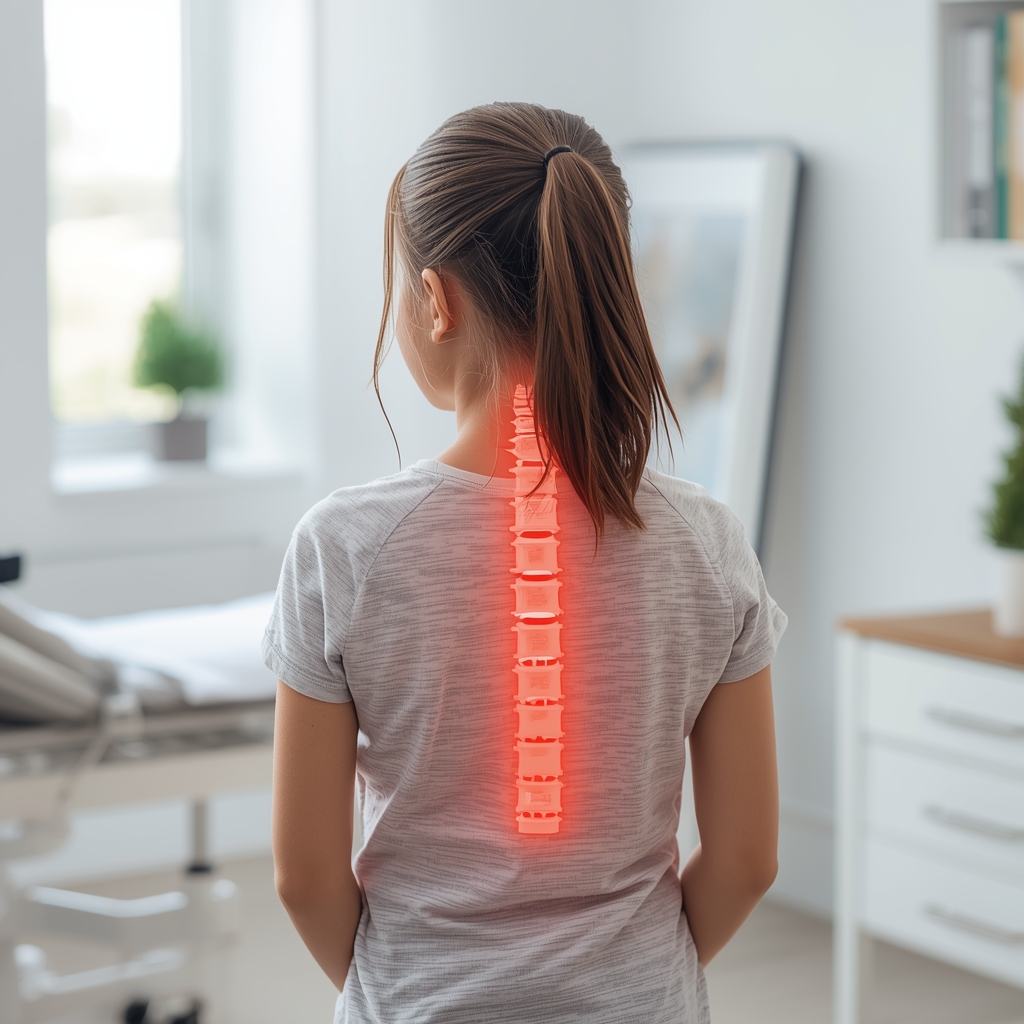
Understanding Scoliosis in Children
Scoliosis is a spinal condition characterized by an abnormal lateral curvature, often detected during childhood or adolescence. Early identification is critical, as progression can lead to long-term complications. Chiropractors play a key role in recognizing subtle signs, such as uneven shoulder height, asymmetrical waistlines, or a tilted pelvis. Regular spinal assessments during well-child visits can help track development. While scoliosis may have genetic or idiopathic causes, environmental factors like posture or activity levels might influence its progression. Chiropractors focus on monitoring these changes and collaborating with healthcare providers to ensure timely intervention. Understanding the condition’s nuances allows for proactive care, emphasizing the importance of early detection in managing scoliosis effectively.
Observing Physical Indicators
Chiropractors begin by observing a child’s posture and movement patterns during routine evaluations. Simple visual cues, such as one shoulder blade protruding more than the other or a visible lean to one side, may signal scoliosis. The forward head posture or uneven hip levels can also indicate spinal imbalances. During exams, chiropractors may ask the child to bend forward to assess for rib cage asymmetry, a common sign of spinal curvature. These observations are non-invasive and form the foundation of early detection. By combining physical exams with patient history, chiropractors can identify red flags that warrant further investigation. This approach prioritizes a holistic view of the child’s musculoskeletal health, ensuring no subtle signs are overlooked.
Diagnostic Tools and Assessments
While visual inspections are initial steps, chiropractors often use specialized tools to confirm scoliosis suspicions. A scoliometer measures the angle of trunk rotation, providing quantitative data on spinal curvature. In some cases, X-rays may be recommended to evaluate the spine’s structure and determine the severity of the curve. Chiropractors collaborate with orthopedic specialists to interpret these findings and establish a diagnosis. However, they avoid making medical diagnoses themselves, instead focusing on identifying potential issues that require further evaluation. These assessments help differentiate scoliosis from other spinal conditions, ensuring accurate referrals. By leveraging both clinical skills and diagnostic technology, chiropractors contribute to a comprehensive care plan for children at risk.
Non-Surgical Intervention Strategies
For mild to moderate scoliosis, chiropractors may recommend non-surgical approaches to support spinal health. These include targeted exercises to strengthen core muscles and improve posture, as well as ergonomic adjustments to reduce strain on the spine. Chiropractic adjustments may help alleviate discomfort and enhance mobility, though they are not a cure for scoliosis. Customized care plans often incorporate soft tissue therapies or corrective exercises to address imbalances. Chiropractors emphasize the importance of consistency, encouraging families to follow through with recommended routines. While these strategies can complement other treatments, they are always discussed in the context of a broader healthcare team. The goal is to promote optimal spinal function and delay progression when possible.
Referral to Specialized Care
If scoliosis is confirmed or suspected, chiropractors act as part of a multidisciplinary team to ensure appropriate care. They may refer patients to orthopedic specialists for bracing or surgical evaluation, depending on the curve’s severity. Chiropractors also collaborate with physical therapists to design rehabilitation programs that address muscle imbalances. Open communication with parents and other healthcare providers is essential to create a cohesive treatment plan. While chiropractors focus on supportive care, they recognize the importance of medical interventions for progressive cases. This collaborative approach ensures children receive the most effective and timely care, balancing complementary therapies with evidence-based treatments.
The Role of Regular Check-Ups
Regular chiropractic visits are vital for monitoring spinal development in children. These check-ups allow practitioners to track changes over time and adjust care plans as needed. Parents are encouraged to schedule evaluations during growth spurts, as scoliosis often worsens during puberty. Chiropractors educate families on what to watch for at home, such as changes in posture or clothing fit. By fostering a proactive approach, chiropractors help ensure early intervention if issues arise. This ongoing relationship builds trust and empowers families to take an active role in their child’s health. Ultimately, consistent care supports long-term spinal wellness and reduces the risk of complications.













