
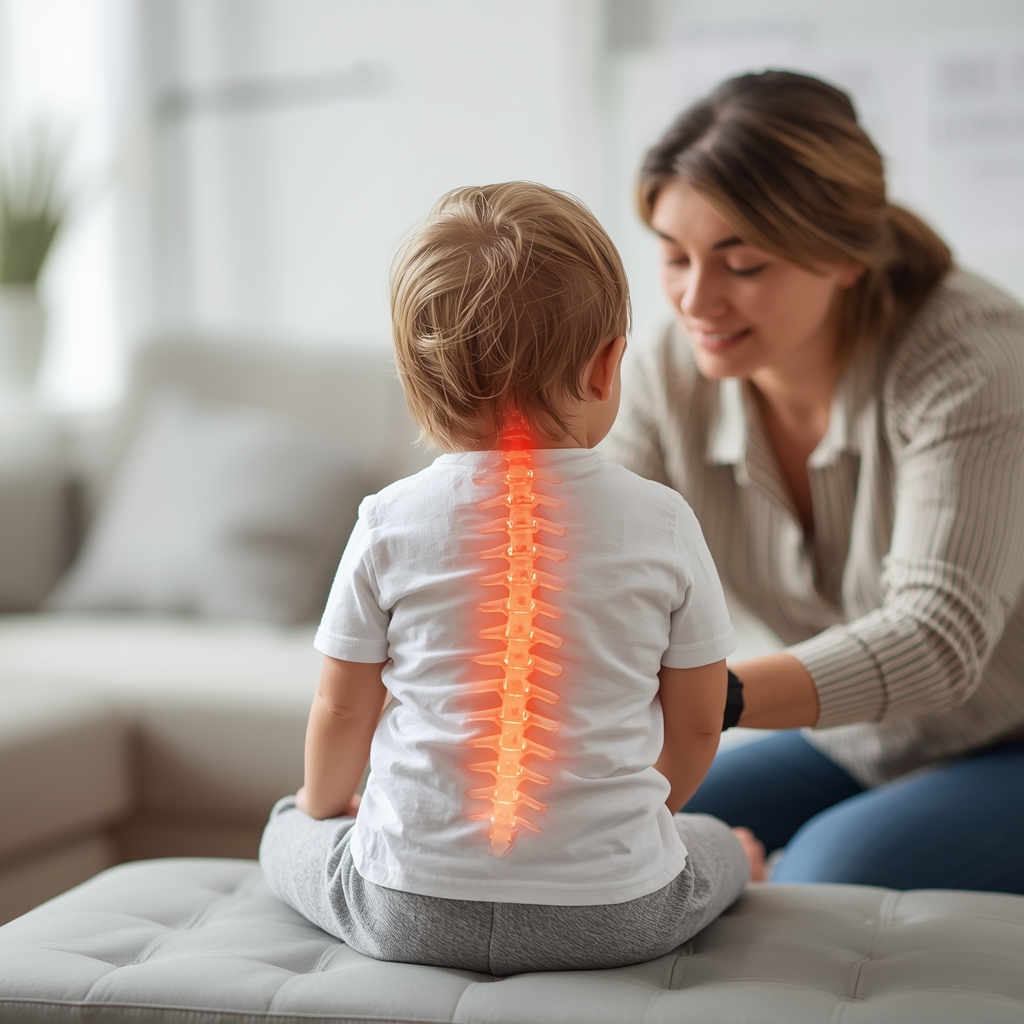
Understanding the Importance of Early Spinal Development
Supporting spinal development in toddlers and young children is crucial for long-term postural health. The spine undergoes significant growth during early childhood, and proper alignment can prevent future musculoskeletal issues. Family-centered chiropractic care emphasizes a holistic approach, addressing not only the child’s physical needs but also involving the entire family in fostering healthy habits. Regular check-ups with a chiropractor can identify minor imbalances early, ensuring the spine develops correctly. This proactive strategy helps build a strong foundation for mobility, balance, and overall well-being. Parents play a key role in reinforcing these efforts through daily routines and environmental adjustments. By prioritizing spinal health from a young age, families can promote resilience against common postural challenges.
Gentle Chiropractic Techniques for Young Patients
Chiropractors use specialized, gentle techniques tailored for children’s developing bodies. These methods avoid forceful adjustments, focusing instead on light pressure and soft-tissue work to encourage natural alignment. Techniques like cranial-sacral therapy and myofascial release are often employed to address tension in the neck, back, and joints. Family-centered care ensures that these interventions are conducted in a comforting environment, helping children feel safe and relaxed. Parents are often educated on how to support their child’s recovery at home, such as through specific stretches or posture corrections. By integrating these techniques into a child’s routine, families can foster better spinal mobility and reduce the risk of future complications. The emphasis remains on collaboration between the chiropractor, child, and caregivers for optimal outcomes.
Family Involvement in Postural Health
Family-centered chiropractic care recognizes that a child’s postural habits are shaped by their environment and daily activities. Parents and caregivers are encouraged to participate in their child’s care by observing posture, encouraging movement, and creating ergonomic spaces at home. Simple adjustments, like ensuring proper seating for meals or play, can significantly impact spinal alignment. Chiropractors often provide guidance on activities that promote core strength and balance, such as crawling, climbing, or stretching exercises. By involving the entire family, these practices become part of a shared commitment to health. This approach not only supports the child’s development but also fosters a culture of wellness that extends beyond individual treatments. Consistent family engagement reinforces positive habits and strengthens the child’s overall musculoskeletal resilience.
Encouraging Movement and Physical Activity
Regular movement is essential for toddlers and young children, as it supports spinal development and postural stability. Family-centered chiropractic care often includes recommendations for age-appropriate physical activities that enhance flexibility and coordination. Play-based exercises, such as tumbling, dancing, or outdoor exploration, help build muscle strength and improve balance. Chiropractors may also advise on reducing sedentary behaviors, like prolonged screen time, which can contribute to poor posture. Parents are encouraged to model active lifestyles, making movement a natural part of daily routines. By integrating physical activity into a child’s environment, families can mitigate risks associated with prolonged sitting or repetitive motions. This proactive approach aligns with chiropractic principles, emphasizing prevention and lifelong wellness through mindful movement.
Addressing Common Postural Challenges
Children often develop postural issues due to factors like uneven weight distribution, improper footwear, or repetitive activities. Family-centered chiropractic care addresses these challenges through targeted interventions and lifestyle adjustments. For example, a chiropractor might recommend orthotics or posture-specific exercises to correct gait abnormalities. They may also assess a child’s sleeping position or seating arrangements to ensure spinal alignment. Education is key, as parents learn to recognize early signs of postural strain, such as slouching or frequent complaints of back discomfort. By addressing these issues promptly, families can prevent long-term complications. Chiropractors work closely with caregivers to create personalized strategies that support the child’s unique needs, fostering a proactive approach to spinal health.
When to Seek Professional Guidance
If a child exhibits persistent postural issues, pain, or developmental delays, consulting a qualified chiropractor is advisable. Family-centered care ensures that these concerns are addressed with age-appropriate, non-invasive methods. Chiropractors can evaluate the spine for misalignments and recommend adjustments or therapeutic exercises tailored to the child’s needs. It’s important to note that chiropractic care for children is not a substitute for medical evaluation but a complementary approach. Parents should always seek guidance from licensed professionals who specialize in pediatric care. By maintaining open communication with healthcare providers, families can make informed decisions about their child’s well-being. Regular check-ups and a collaborative approach help ensure that spinal development remains on track throughout early childhood.














