
Understanding Peripheral Neuropathy in Diabetic Patients
Peripheral neuropathy is a common complication of diabetes, affecting nerve function and causing symptoms like numbness, tingling, and pain in the extremities. High blood sugar levels can damage nerves over time, leading to chronic discomfort and reduced quality of life. While conventional treatments often focus on managing blood sugar and pain, chiropractic care offers a complementary approach by addressing spinal health and lifestyle factors. This article explores how spinal adjustments and nutritional counseling may support diabetic patients with neuropathy, emphasizing the importance of a holistic strategy.
The Role of Spinal Adjustments in Neuropathy Management
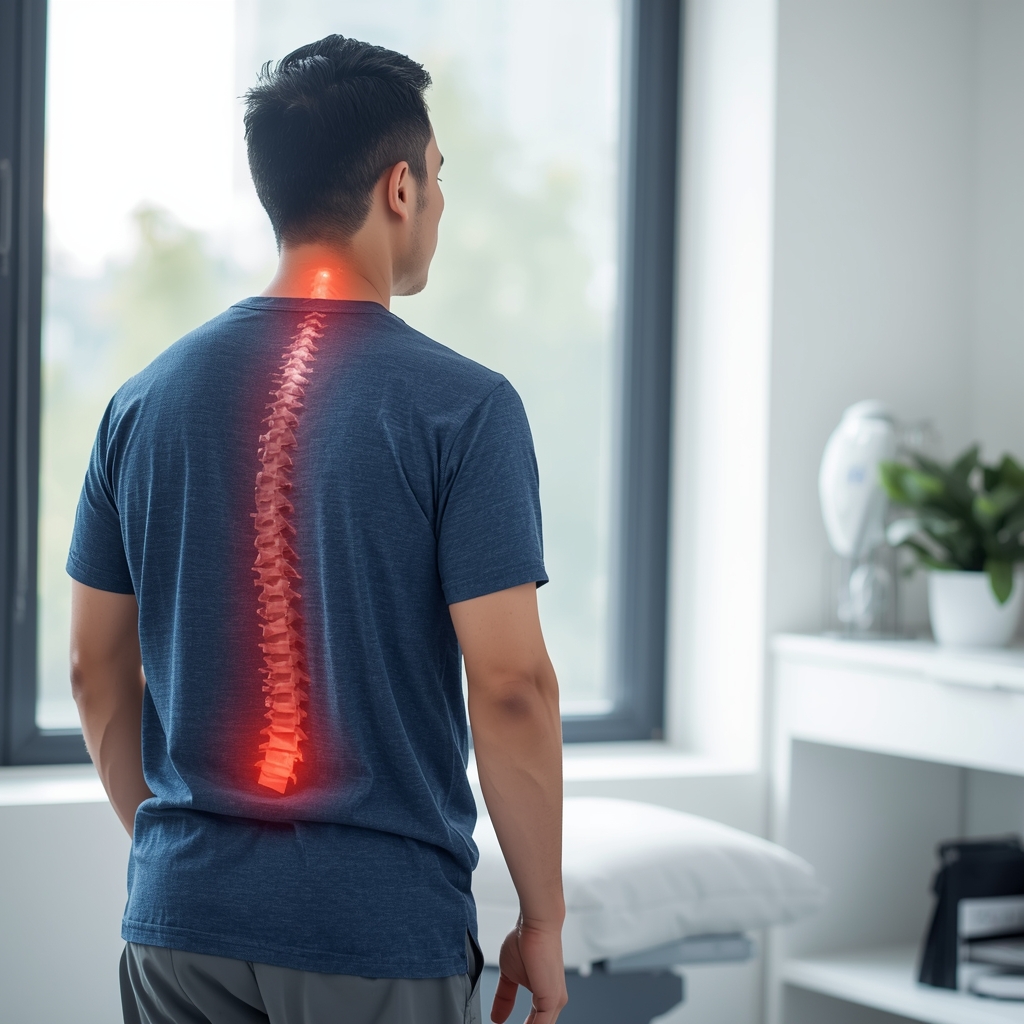
Spinal adjustments, a cornerstone of chiropractic care, aim to restore proper alignment and function to the spine. For patients with peripheral neuropathy, misalignments (subluxations) may contribute to nerve irritation or restricted blood flow, potentially worsening symptoms. By correcting these issues, adjustments could help reduce pressure on nerves and improve communication between the nervous system and the body. While research on this specific application is limited, many patients report improved comfort and mobility after regular chiropractic care. A qualified chiropractor can assess individual needs and develop a plan tailored to address both spinal health and neuropathy-related challenges.
Nutritional Counseling as a Complementary Approach
Nutritional counseling plays a vital role in supporting diabetic patients with neuropathy by addressing factors that influence nerve health and blood sugar control. A diet rich in antioxidants, B-vitamins, and omega-3 fatty acids may help reduce inflammation and support nerve function. Chiropractors often collaborate with nutritionists or provide guidance on dietary choices that complement spinal care. For example, managing blood sugar fluctuations through balanced meals can prevent further nerve damage. While nutritional strategies should not replace medical treatment, they can enhance overall well-being and potentially alleviate some neuropathy symptoms when integrated into a comprehensive care plan.
Integrating Spinal Adjustments and Nutrition for Holistic Care
A multidisciplinary approach combining spinal adjustments and nutritional counseling offers a broader perspective on managing peripheral neuropathy. Spinal care may alleviate mechanical stress on nerves, while dietary improvements can address underlying metabolic factors contributing to nerve damage. This synergy allows for a more comprehensive strategy, targeting both structural and systemic aspects of the condition. Patients may experience enhanced pain relief, better mobility, and improved metabolic control when these elements are coordinated. However, it is essential to work with healthcare providers to ensure these interventions align with individual health needs and existing treatment plans.
Patient-Centered Care and Individualized Plans
Each diabetic patient with neuropathy has unique needs, making personalized care essential. Chiropractors may conduct thorough evaluations to identify spinal issues, lifestyle factors, and nutritional gaps that could impact nerve health. Treatment plans are then tailored to address these specific concerns, balancing adjustments with dietary recommendations. Open communication between patients and providers ensures that goals and progress are regularly reviewed. This collaborative approach empowers individuals to take an active role in their health while receiving professional guidance. By prioritizing individualized strategies, chiropractic care can offer meaningful support alongside conventional medical treatments.
Conclusion and Recommendations
Chiropractic care may provide valuable support for diabetic patients with peripheral neuropathy by addressing spinal health and nutritional factors. While spinal adjustments aim to reduce nerve irritation and improve function, nutritional counseling focuses on optimizing metabolism and reducing inflammation. These approaches, when integrated, can contribute to a more holistic management plan. However, patients should always consult with their primary care physician and a licensed chiropractor to ensure these methods align with their overall treatment strategy. Exploring complementary care options like chiropractic services may offer additional tools for managing neuropathy and improving daily living.











