
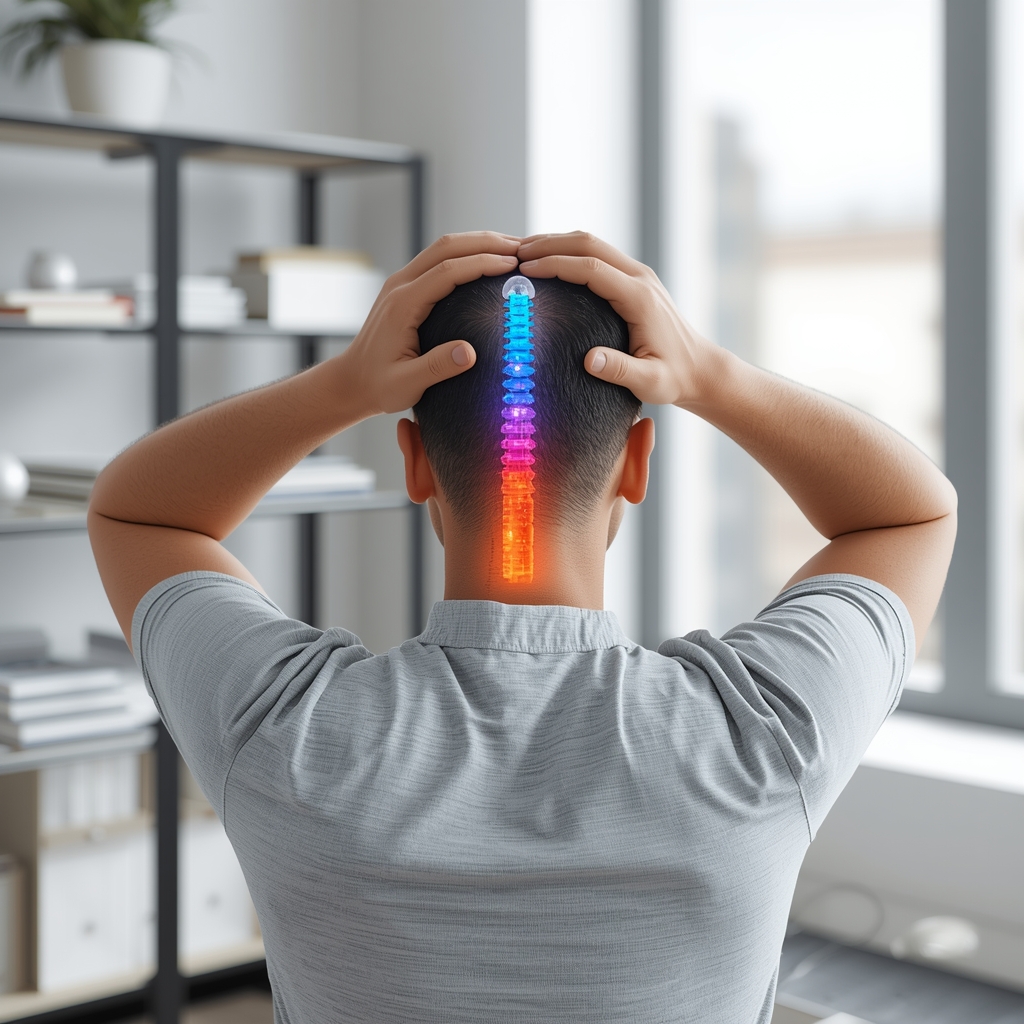
Understanding the Link Between Concussions and Cervical Spine Health
Concussions, often caused by head trauma, primarily affect brain function but can also impact the cervical spine. The neck's complex network of nerves, muscles, and joints interacts with the brain, influencing balance, coordination, and sensory processing. While concussions are typically diagnosed through neurological assessments, many patients experience lingering symptoms like dizziness, headaches, or neck pain. Chiropractic care addresses these issues by focusing on the cervical spine's alignment and mobility, which may help alleviate secondary symptoms and support overall recovery. This approach is part of a broader, integrative strategy rather than a standalone solution.
Cervical Spine Adjustments and Their Role in Recovery
Cervical spine adjustments aim to restore proper alignment and function to the neck's vertebrae. Misalignments, or subluxations, can contribute to nerve irritation, muscle tension, and restricted movement, potentially exacerbating concussion-related symptoms. By gently manipulating the spine, chiropractors may reduce pressure on nerves and improve blood flow, which could support the body's natural healing processes. However, these adjustments are typically part of a comprehensive care plan that includes other therapies. Patients should consult a licensed chiropractor to determine if this approach aligns with their specific needs and recovery goals.
Vestibular Rehabilitation: A Complementary Approach
Vestibular rehabilitation is a specialized form of therapy designed to address balance and dizziness issues, common after concussions. This approach often involves exercises to retrain the brain's processing of sensory information. Chiropractors may collaborate with vestibular specialists or incorporate basic vestibular techniques into their practice. By addressing both spinal and inner ear-related dysfunction, this combined strategy can help patients regain stability and reduce symptoms like vertigo. It is important to note that vestibular rehabilitation should be tailored to individual needs and supervised by qualified professionals to ensure safety and effectiveness.
The Interplay Between Cervical Spine and Vestibular Systems
The cervical spine and vestibular system share close anatomical and functional connections. Nerves in the neck provide critical feedback to the brain about head position and movement, which is essential for balance. Concussions can disrupt this communication, leading to dizziness or spatial disorientation. Chiropractic care may help by reducing cervical spine restrictions, potentially improving the flow of neural signals. This, in turn, could support the vestibular system's ability to adapt and recover. However, these effects are part of a broader recovery process and should not be viewed as a guaranteed solution for all concussion symptoms.
When to Seek Chiropractic Care for Concussion Recovery
If concussion symptoms persist beyond the initial recovery phase, such as ongoing dizziness, neck pain, or difficulty concentrating, consulting a chiropractor may be beneficial. Chiropractic care can complement traditional medical treatments by addressing musculoskeletal and neurological factors. However, it is crucial to work with a licensed practitioner experienced in concussion management. Patients should also maintain communication with their primary healthcare provider to ensure a coordinated approach. Chiropractic interventions should never replace standard medical care but may offer additional support when used appropriately.
Safety Considerations and Professional Guidance
Chiropractic care for concussions requires careful evaluation to ensure safety, especially given the sensitivity of the brain and neck. Techniques must be tailored to the patient's condition, avoiding high-velocity adjustments that could pose risks. Qualified chiropractors will conduct thorough assessments and may collaborate with other healthcare providers to develop a safe, individualized plan. Patients should prioritize practitioners with experience in concussion recovery and avoid unregulated or unproven methods. Open dialogue with healthcare professionals is essential to navigate the complexities of post-concussion care effectively.











