
Introduction: A Patient's Journey to Relief
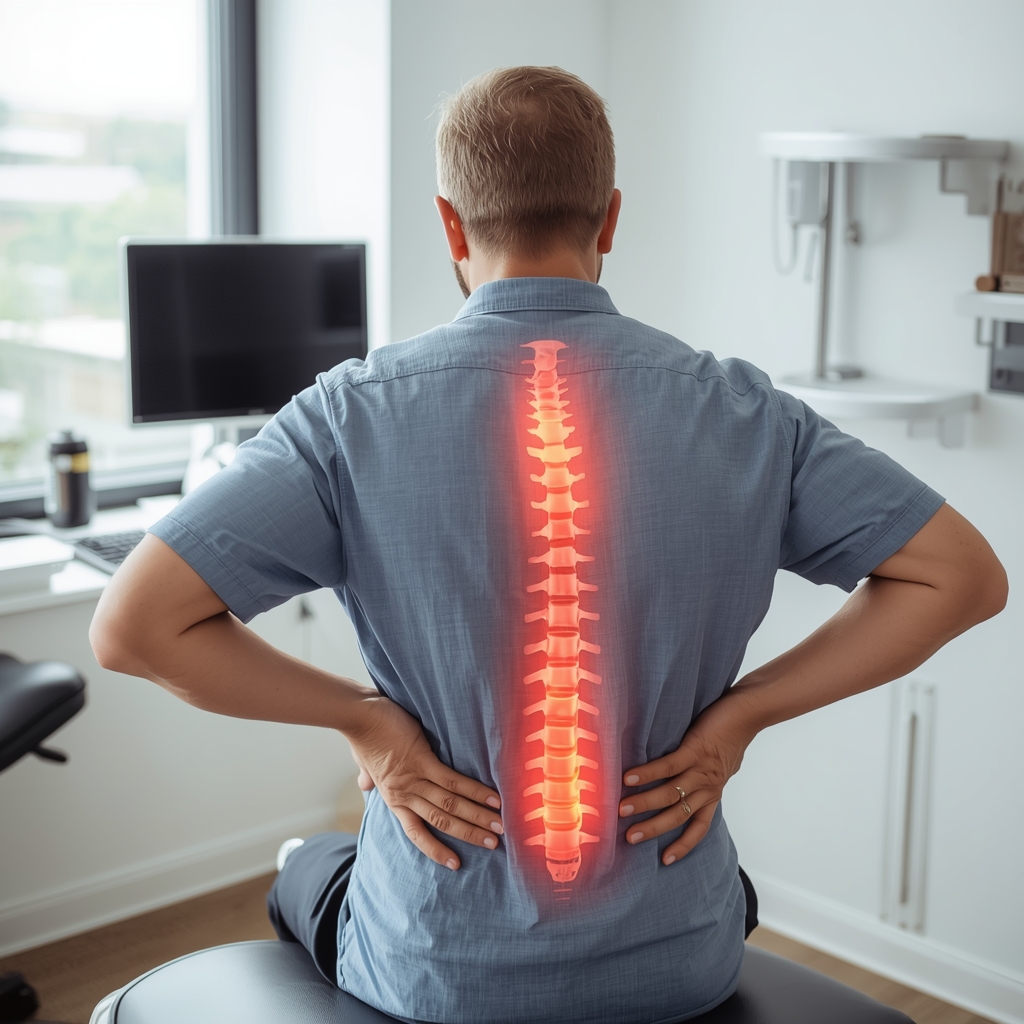
A 45-year-old office worker struggled with chronic sciatica for years, experiencing persistent lower back and leg pain that limited daily activities. Despite conventional treatments, the condition worsened, raising concerns about surgical intervention. Seeking an alternative, the patient turned to chiropractic care, hoping to avoid surgery through non-invasive methods. This article explores how a tailored chiropractic program addressed the root causes of the pain and provided lasting relief, highlighting the role of chiropractic in managing chronic conditions without resorting to surgery.
Chiropractic Techniques for Sciatica Relief
Chiropractors employ a variety of techniques to address sciatica, focusing on spinal alignment and nerve compression. Spinal adjustments are commonly used to realign the vertebrae, reducing pressure on the sciatic nerve. Decompression therapy may also be utilized to gently stretch the spine, alleviating pain caused by herniated discs. Soft tissue therapies, such as massage or trigger point work, help relax tight muscles contributing to discomfort. These methods aim to restore mobility and reduce inflammation, offering a holistic approach to pain management.
Personalized Care Plans for Chronic Conditions
Every patient’s experience with sciatica is unique, requiring a customized care plan. The chiropractor conducted a thorough evaluation, identifying specific areas of dysfunction and developing a strategy to address them. This included a combination of adjustments, targeted exercises, and lifestyle modifications. By focusing on the individual’s needs, the program avoided a one-size-fits-all approach, ensuring that each intervention supported the body’s natural healing processes. Regular reassessments allowed for adjustments to the plan, maintaining progress and preventing setbacks.
Lifestyle and Ergonomic Adjustments
In addition to hands-on treatments, the patient was guided toward ergonomic changes at work and home. Proper posture, supportive seating, and regular movement breaks helped reduce strain on the lower back. The chiropractor also recommended corrective exercises to strengthen core muscles and improve flexibility. These adjustments complemented the manual therapies, creating a comprehensive approach to managing sciatica. By addressing both physical and environmental factors, the patient was able to sustain long-term relief and prevent future flare-ups.
Progress and Outcomes Over Time
Over several weeks, the patient reported significant improvements in pain levels and mobility. The frequency of sciatica episodes decreased, and daily activities became more manageable. While results varied, the overall trend indicated that the chiropractic program effectively reduced the need for invasive interventions. The patient’s ability to avoid surgery underscored the potential of chiropractic care as a viable alternative for chronic pain management. Continued follow-ups ensured that progress was maintained, reinforcing the importance of ongoing support and adaptation.
Conclusion: Chiropractic Care as a Viable Option
The case of the 45-year-old office worker illustrates how chiropractic care can provide meaningful relief for chronic sciatica without surgery. By combining targeted techniques, personalized plans, and lifestyle adjustments, chiropractors address the underlying causes of pain rather than just the symptoms. While individual results may vary, this approach offers a non-invasive, patient-centered alternative to traditional medical treatments. For those considering options to avoid surgery, consulting a qualified chiropractor can provide valuable insights and support in managing chronic conditions effectively.














