
Understanding Thoracic Outlet Syndrome and Non-Surgical Options
Thoracic outlet syndrome (TOS) occurs when nerves or blood vessels near the neck and upper chest are compressed, causing pain, numbness, or weakness in the arms. While surgery is sometimes considered, many patients explore non-surgical approaches first. Chiropractic care focuses on addressing misalignments and soft tissue restrictions that may contribute to TOS. By improving spinal mechanics and reducing pressure on affected areas, chiropractors aim to alleviate symptoms without invasive procedures. This approach prioritizes the body’s natural ability to heal, offering a conservative alternative for those seeking relief.
Spinal Adjustments and Thoracic Spine Alignment
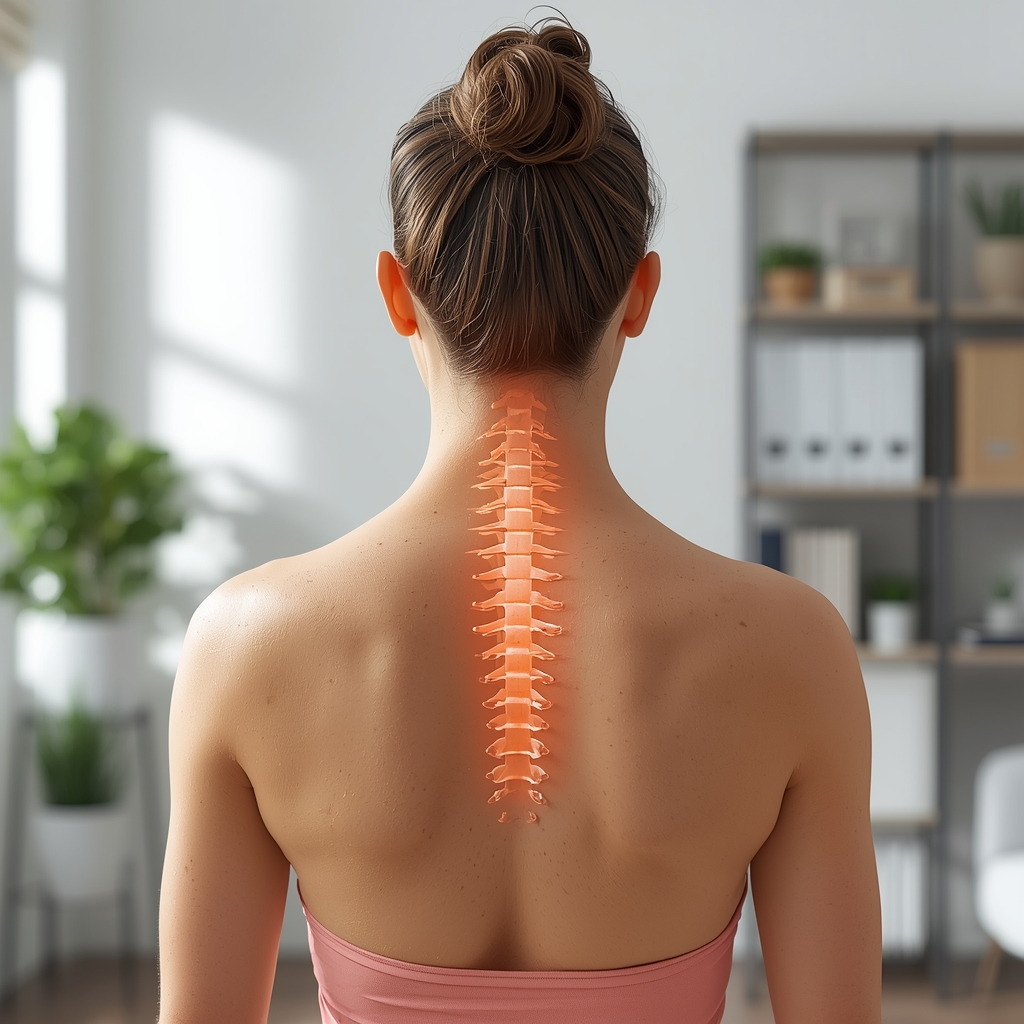
Chiropractic adjustments can help realign the thoracic spine, which plays a key role in TOS. Misalignments in this region may compress nerves or blood vessels, worsening symptoms. By gently manipulating the spine, chiropractors restore proper motion and reduce pressure on surrounding structures. This technique is often combined with soft tissue work to address muscle tension that contributes to nerve compression. Patients frequently report improved range of motion and reduced discomfort after adjustments. However, it’s important to consult a qualified provider to ensure the approach is tailored to individual needs.
Nerve Mobilization Techniques for TOS Relief
Nerve mobilization, or neural mobilization, involves specific movements to improve the gliding of nerves through their pathways. For TOS, this technique targets compressed nerves in the neck and shoulder area, helping to reduce pain and tingling. Chiropractors may use gentle traction or guided motions to relieve nerve entrapment. These methods are often used alongside spinal adjustments to enhance overall effectiveness. Patients typically experience gradual improvement as nerve function stabilizes. While not a substitute for medical evaluation, nerve mobilization offers a non-invasive way to manage TOS symptoms and support long-term wellness.
Soft Tissue Therapy and Myofascial Release
Soft tissue therapy addresses muscle tightness and fascial restrictions that can exacerbate TOS. Techniques like myofascial release involve sustained pressure on trigger points to ease tension in the neck, shoulders, and upper back. Chiropractors may also use tools or manual pressure to break up adhesions and improve circulation. This approach complements spinal adjustments by reducing the mechanical stress on nerves and blood vessels. Patients often find relief from localized pain and improved mobility. When integrated with other chiropractic methods, soft tissue therapy can significantly enhance symptom management for TOS sufferers.
Postural Reeducation and Ergonomic Adjustments
Poor posture is a common contributor to TOS, as slouching or forward head positioning can compress nerves and blood vessels. Chiropractors often guide patients in correcting postural habits through targeted exercises and ergonomic modifications. This may include adjustments to workspace setups, sleeping positions, or daily activities. By addressing the root causes of TOS, these strategies help prevent recurring symptoms. Patients are encouraged to maintain proper alignment during movement and rest. Combining postural reeducation with manual therapies can create lasting improvements in comfort and function.
Collaborative Care and Long-Term Management
Chiropractic care for TOS is most effective when part of a comprehensive, collaborative approach. Working with a chiropractor allows patients to develop a personalized plan that may include adjustments, therapy, and lifestyle changes. Regular follow-ups help monitor progress and adjust strategies as needed. While chiropractic methods can significantly reduce symptoms, they are not a replacement for medical evaluation. Patients should discuss their condition with healthcare providers to ensure all aspects of their care are aligned. This integrative model supports long-term wellness and empowers individuals to manage TOS effectively.













