
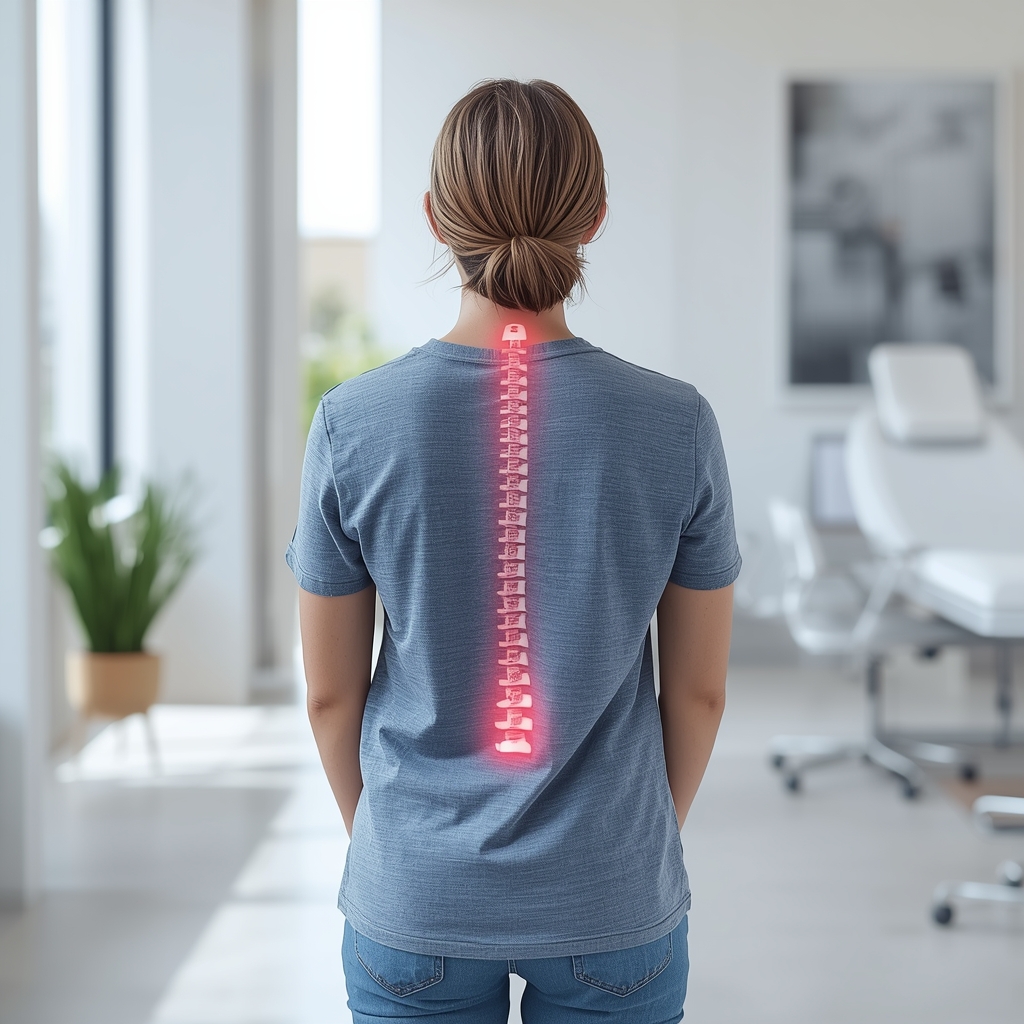
Understanding Degenerative Scoliosis in Adults
Adults with degenerative scoliosis experience abnormal spinal curvature due to age-related wear and tear on discs, joints, and ligaments. This condition often causes chronic pain, reduced mobility, and postural changes. Unlike adolescent scoliosis, degenerative cases develop later in life and may worsen over time. While surgical options exist, many seek non-surgical approaches to manage symptoms and improve quality of life. Non-surgical interventions focus on pain relief, functional improvement, and slowing progression. These methods are typically tailored to individual needs and may include spinal adjustments, therapeutic exercises, and supportive therapies. Understanding the options available helps patients make informed decisions about their care. Chiropractic care is a common choice, but it’s essential to consult a qualified provider to determine the best approach for each case.
Non-Surgical Chiropractic Interventions for Scoliosis
Chiropractic care for degenerative scoliosis often involves a combination of techniques aimed at reducing pain and improving spinal function. Spinal adjustments, or manipulations, are a core component, focusing on realigning the spine to alleviate pressure on nerves and muscles. Soft tissue therapies, such as massage or myofascial release, may also be used to address muscle imbalances contributing to curvature. Decompression therapy, which gently stretches the spine, can relieve disc pressure and enhance mobility. Additionally, corrective exercises and posture training help strengthen core muscles and support the spine. These interventions are typically part of a personalized treatment plan, with progress monitored over time. While results vary, many patients report improved comfort and functionality. It’s important to note that chiropractic care is not a cure but a tool to manage symptoms and support overall spinal health.
Spinal Adjustments and Manipulation
Spinal adjustments are a cornerstone of chiropractic care for degenerative scoliosis, aiming to restore proper alignment and reduce nerve irritation. By applying controlled force to specific joints, chiropractors seek to improve mobility and decrease pain. While adjustments cannot reverse spinal curvature, they may help manage associated discomfort and enhance daily function. Techniques vary, with some practitioners using high-velocity, low-amplitude thrusts, while others opt for gentler methods. The goal is to address misalignments that contribute to pain or restricted movement. Patients often experience temporary relief after sessions, though long-term benefits depend on consistency and complementary therapies. It’s crucial to work with a licensed chiropractor who has experience treating scoliosis, as improper techniques could worsen symptoms. Adjustments are typically part of a broader strategy that includes exercises and lifestyle modifications for optimal outcomes.
Physical Therapy and Exercise Programs
Physical therapy and targeted exercise programs play a vital role in managing degenerative scoliosis by strengthening the musculature around the spine and improving flexibility. These approaches focus on correcting postural imbalances and enhancing core stability, which can reduce pain and prevent further curvature progression. Therapists may design routines that include stretching, resistance training, and low-impact aerobic activities. Specific exercises, such as those in the Schroth method, are tailored to scoliosis patients and emphasize posture correction and muscle activation. While physical therapy is not a standalone solution, it complements chiropractic care by addressing underlying muscle weaknesses. Patients often see gradual improvements in mobility and pain levels with consistent participation. However, results vary, and individualized plans are essential. Combining physical therapy with other non-surgical interventions can create a comprehensive strategy for long-term symptom management.
Bracing as a Non-Surgical Option
Bracing is sometimes recommended for adults with degenerative scoliosis to provide support and limit spinal curvature progression. Unlike in adolescents, where bracing can halt curve development, its role in adults is more about managing symptoms and preventing further deterioration. Custom-fitted braces, such as thoracolumbosacral orthoses (TLSOs), offer external support to reduce pain and improve posture. While bracing may not correct existing curvature, it can alleviate pressure on nerves and discs, enhancing comfort. However, long-term use can lead to muscle atrophy, so it’s often combined with strengthening exercises. Patients must wear braces consistently, which can be challenging for daily activities. The effectiveness of bracing varies, and it’s typically considered when other non-surgical methods provide insufficient relief. As with all treatments, a healthcare provider should evaluate whether bracing is suitable for an individual’s condition and lifestyle.
Comparing Interventions and Making Informed Choices
Non-surgical chiropractic interventions and bracing offer distinct approaches to managing degenerative scoliosis, each with unique benefits and limitations. Chiropractic care focuses on spinal adjustments, soft tissue work, and exercise to improve function and reduce pain, while bracing provides external support to stabilize the spine. The choice between these options depends on factors like curvature severity, symptom impact, and patient preferences. Some may find chiropractic care effective for pain relief, while others benefit more from bracing’s structural support. Combining both methods under professional guidance can yield better outcomes. It’s essential to consult a qualified chiropractor or orthopedic specialist to evaluate individual needs. Regular follow-ups and open communication with healthcare providers ensure that the chosen approach remains effective and safe. Ultimately, a personalized plan that addresses both symptoms and long-term spinal health is key to managing degenerative scoliosis effectively.













