
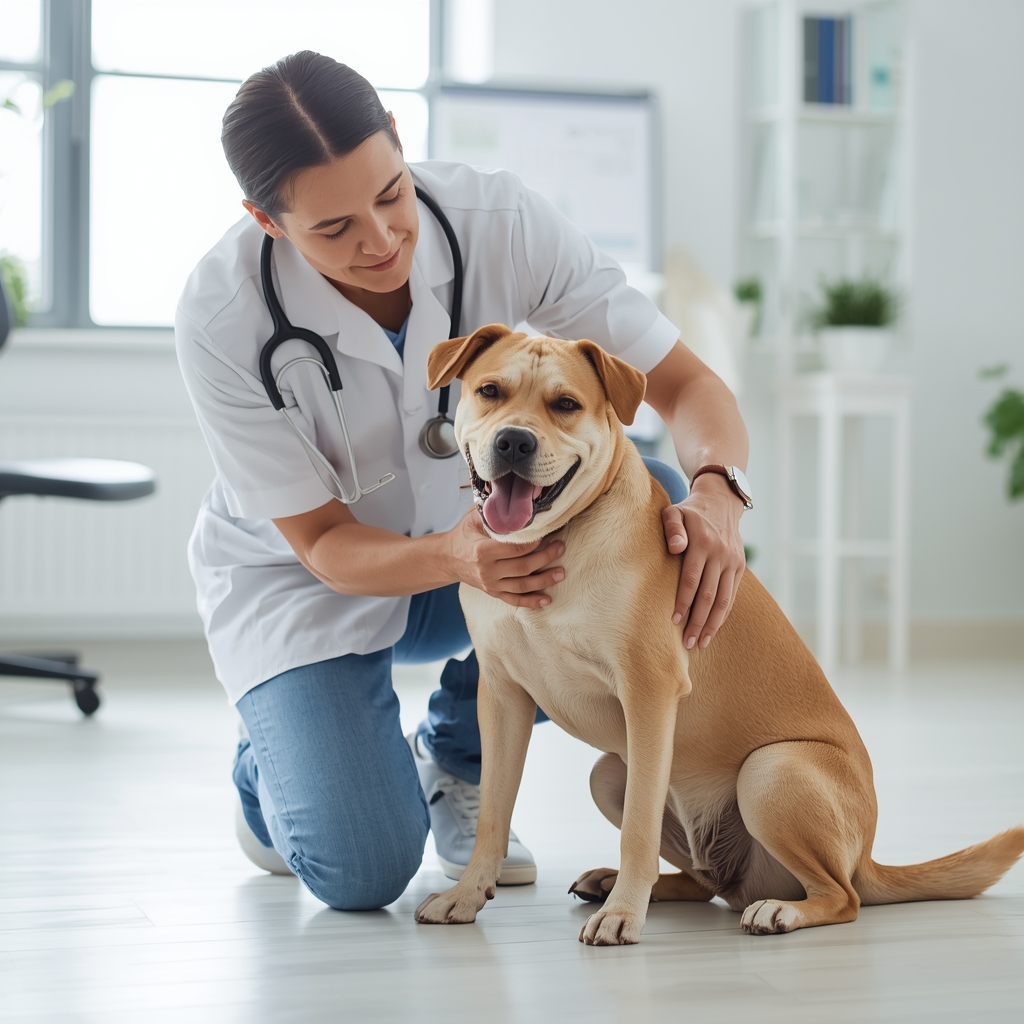
Understanding the Unique Needs of Senior Pets
As pets age, they often develop arthritis, a condition that affects joint mobility and causes discomfort. Senior pets may exhibit stiffness, reduced activity levels, or difficulty with everyday movements like climbing stairs. Chiropractic care offers a non-invasive approach to address these challenges by focusing on spinal alignment and soft tissue health. Unlike human patients, pets cannot verbally communicate their pain, making a chiropractor’s observational skills and tailored techniques critical. By understanding the specific anatomical and physiological differences in animals, practitioners can create care plans that prioritize comfort and gradual improvement. This specialized approach ensures that adjustments and therapies are both effective and safe for aging companions.
Comprehensive Assessment and Customized Treatment Plans
Before any intervention, a chiropractor conducts a thorough evaluation of the pet’s condition. This includes reviewing medical history, observing gait and posture, and performing a physical exam to identify areas of restricted mobility or pain. For senior pets, this step is vital to avoid overtaxing already vulnerable joints. Treatment plans are then customized based on the pet’s species, breed, size, and the severity of arthritis. For example, a small dog may require gentler adjustments compared to a larger breed. The goal is to create a balanced approach that addresses immediate discomfort while supporting long-term mobility. Regular re-evaluations allow for adjustments to the plan as the pet’s needs evolve, ensuring sustained progress.
Tailoring Spinal Adjustments for Senior Pets
Spinal adjustments in senior pets are adapted to minimize strain on delicate joints and muscles. Chiropractors use low-force techniques, such as gentle manual adjustments or instrument-assisted methods, to realign the spine without causing additional stress. These modifications help alleviate pressure on nerves and improve overall mobility. For pets with advanced arthritis, the focus shifts to maintaining current function rather than aggressive correction. Adjustments are often spaced further apart to allow the body time to respond. By prioritizing precision and care, chiropractors can enhance the pet’s quality of life while reducing the risk of complications. This tailored approach ensures that each adjustment supports the pet’s unique physical condition and comfort level.
Soft Tissue Techniques for Joint and Muscle Support
Soft tissue therapies play a key role in managing arthritis in senior pets by addressing muscle tension and joint stiffness. Techniques like myofascial release, massage, and trigger point therapy help improve circulation, reduce inflammation, and enhance flexibility. These methods are especially beneficial for areas surrounding affected joints, such as the hips or knees. Chiropractors may also incorporate heat therapy or gentle stretching to further ease discomfort. The intensity and duration of these sessions are adjusted based on the pet’s tolerance and response. By combining soft tissue work with spinal care, practitioners can create a holistic treatment plan that promotes mobility and reduces pain. This integrated approach supports the pet’s overall well-being and encourages more comfortable movement.
Collaborating with Veterinarians for Holistic Care
Effective arthritis management in senior pets often requires a collaborative approach between chiropractors and veterinarians. While chiropractic care focuses on spinal and musculoskeletal health, veterinary input ensures that other medical factors are considered. This partnership allows for a comprehensive treatment strategy that may include medications, dietary adjustments, or physical therapy. Chiropractors can also refer pets to specialists if additional interventions are needed. Regular communication between providers ensures that the pet’s care remains coordinated and aligned with their overall health goals. This teamwork not only enhances the effectiveness of treatments but also provides pet owners with greater confidence in their companion’s care plan.
Monitoring Progress and Adapting Care Over Time
As senior pets undergo chiropractic care, ongoing monitoring is essential to track improvements and adjust treatment as needed. Pet owners are encouraged to observe changes in mobility, behavior, and comfort levels between visits. Chiropractors may use specific mobility tests or gait analysis to assess progress objectively. If a pet shows signs of worsening symptoms or no improvement, the care plan is reevaluated to explore alternative approaches. Flexibility in treatment ensures that the pet receives the most effective support throughout their aging process. By maintaining open communication and regularly updating the care strategy, chiropractors help senior pets maintain as much mobility and comfort as possible for as long as possible.












