
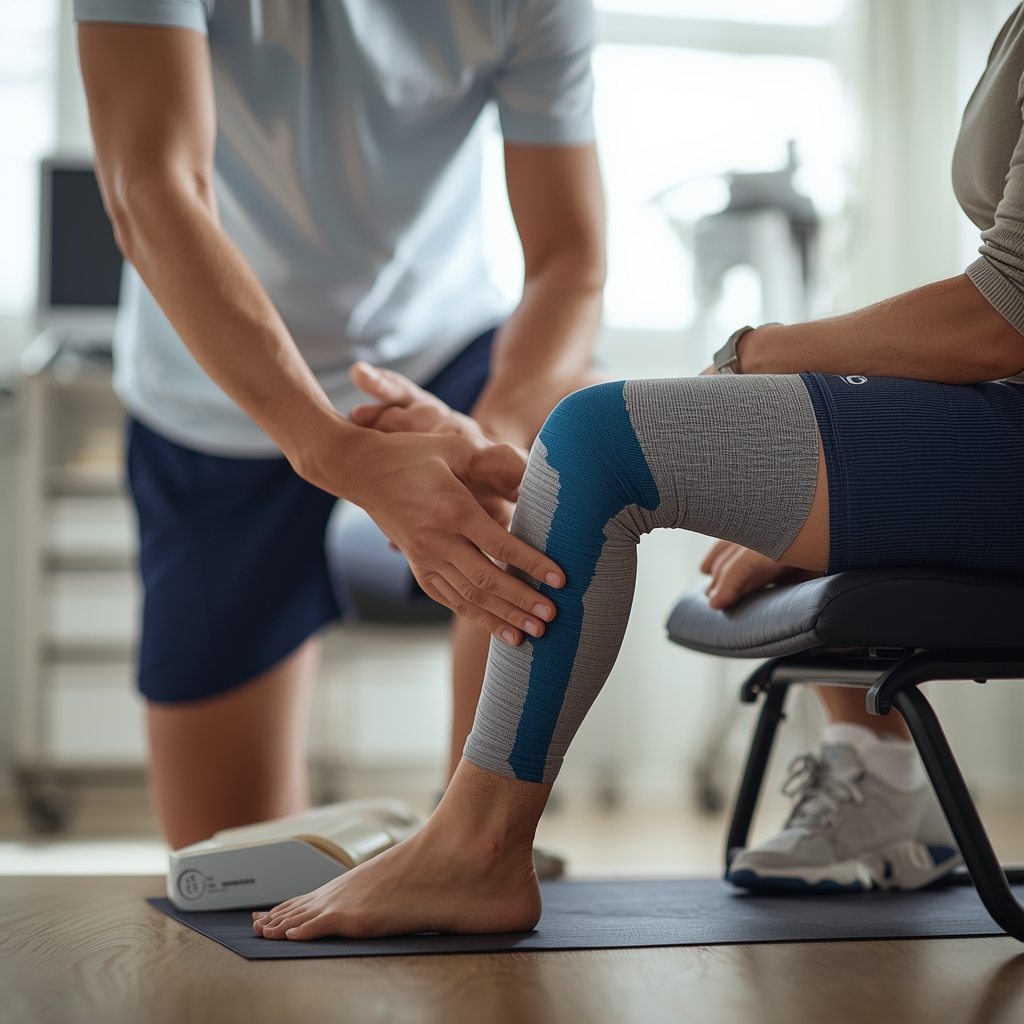
Understanding Kinesio Taping and Joint Stability
Kinesio taping is a therapeutic technique using elastic adhesive tape to support muscles and joints. It works by lifting the skin to create space for improved circulation and lymphatic drainage. For patients with osteoarthritis of the knee, this method may help stabilize the joint without restricting movement. The tape’s elasticity mimics muscle movement, offering gentle support to weakened areas. While not a substitute for medical treatment, it is often used alongside other therapies to enhance mobility and reduce discomfort. Its application focuses on correcting biomechanics and alleviating pressure on affected joints, making it a popular choice for musculoskeletal conditions.
How Kinesio Taping Addresses Osteoarthritis
Osteoarthritis involves the breakdown of cartilage in joints, leading to pain and stiffness. Kinesio taping may help by providing external support to the knee, reducing strain on the joint during daily activities. The tape can also improve proprioception—the body’s awareness of its position—which may enhance stability. By gently lifting the skin, it may reduce swelling and ease pressure on nerve endings, potentially lessening pain signals. While research on its efficacy for osteoarthritis is limited, many patients report improved comfort and function. It is important to note that results vary, and a chiropractor can tailor the taping technique to individual needs.
Benefits of Kinesio Taping for Knee Osteoarthritis
Patients with knee osteoarthritis often experience pain during movement, which can limit activity levels. Kinesio taping may help by offering a non-invasive way to support the joint without the need for medication or surgery. It can also encourage proper alignment, reducing the risk of further joint damage. Some studies suggest that taping may improve muscle activation patterns, which could strengthen the surrounding tissues over time. Additionally, the tape’s ability to provide continuous support during physical activities may help patients maintain mobility. However, it is not a cure and should be used as part of a comprehensive care plan under professional guidance.
Considerations and Limitations
While kinesio taping is generally safe, it may not work for everyone. Factors like skin sensitivity or improper application can reduce its effectiveness. Patients should consult a qualified chiropractor to ensure the tape is applied correctly and appropriately for their condition. It is also essential to recognize that kinesio taping alone cannot reverse joint damage caused by osteoarthritis. Instead, it should complement other treatments such as exercise, physical therapy, or medication. Over-reliance on taping without addressing underlying issues may lead to temporary relief rather than long-term improvement. A personalized approach is key to achieving the best outcomes.
Integration With Other Therapies
Kinesio taping is often used in conjunction with other chiropractic and rehabilitative techniques. For knee osteoarthritis, it may be paired with manual adjustments, corrective exercises, or soft tissue therapy to maximize benefits. Combining taping with strengthening routines can help stabilize the joint and improve function over time. Chiropractors may also recommend lifestyle modifications, such as weight management or low-impact exercise, to reduce joint stress. By integrating multiple approaches, patients can address both symptoms and contributing factors. This holistic strategy aims to enhance mobility while minimizing discomfort, but it requires ongoing collaboration with a healthcare provider.
When to Consult a Chiropractor
Individuals experiencing knee pain from osteoarthritis should seek guidance from a licensed chiropractor before using kinesio taping. A professional can assess the condition’s severity and determine if taping is a suitable option. They will also ensure the tape is applied correctly to avoid irritation or ineffective results. Chiropractors may recommend specific taping techniques based on the patient’s unique needs, such as using a particular pattern to target specific areas of the knee. Regular follow-ups allow for adjustments to the treatment plan as needed. Ultimately, working with a qualified provider ensures safe and effective use of kinesio taping as part of a broader care strategy.













