
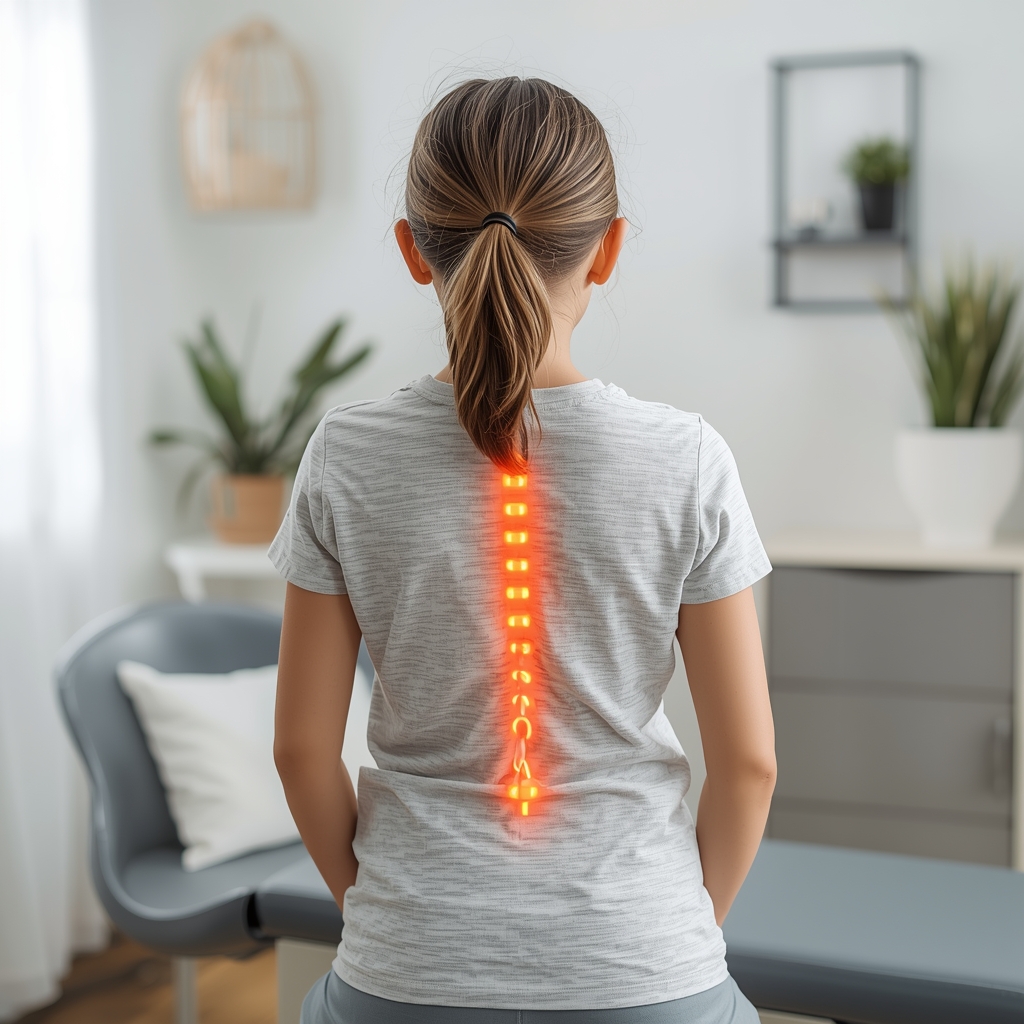
Understanding Scoliosis in Children and Chiropractic Care
Scoliosis, a condition characterized by an abnormal sideways curvature of the spine, can affect children and adolescents. While some cases are mild, others may require intervention to prevent progression. Chiropractic care offers a non-invasive approach to support spinal health, focusing on gentle adjustments and holistic strategies. For children, chiropractors prioritize techniques that are safe, age-appropriate, and tailored to their unique needs. By addressing spinal misalignments and promoting proper posture, chiropractors aim to enhance mobility, reduce discomfort, and foster healthy skeletal development. This approach aligns with family-oriented care, emphasizing collaboration between providers, parents, and the child to ensure the best outcomes.
Comprehensive Assessment and Customized Treatment Plans
Before initiating adjustments, chiropractors conduct a thorough evaluation to understand the child’s specific condition. This includes reviewing medical history, performing physical exams, and possibly collaborating with pediatricians or orthopedic specialists. For scoliosis, imaging like X-rays may be used to assess the curvature’s severity and progression. Based on these findings, a personalized care plan is developed, outlining goals such as stabilizing the curve, improving posture, or alleviating associated symptoms. Regular reassessments ensure the plan adapts to the child’s growth and changing needs, maintaining a proactive approach to spinal health.
Gentle Adjustment Techniques for Pediatric Patients
Chiropractors use specialized, low-force techniques when treating children to ensure safety and comfort. Methods like the Gonstead, Activator, or diversified techniques are often modified to suit a child’s smaller frame and developing spine. These adjustments aim to correct misalignments without causing stress to the body. For scoliosis, the focus is on restoring balance and symmetry in the spine while respecting the child’s growth patterns. Chiropractors may also incorporate soft tissue therapies or exercises to support spinal stability. The goal is to create a treatment experience that is both effective and reassuring for young patients, fostering their trust and cooperation.
Involving Families in the Care Process
Family involvement is critical in pediatric chiropractic care. Parents and caregivers are educated on the child’s condition, treatment goals, and how to support progress at home. Chiropractors often provide guidance on posture, activity modification, and home exercises to complement in-office adjustments. Open communication helps families understand the importance of consistency and patience, as spinal development in children is a gradual process. By working as a team, families and chiropractors can address challenges together, such as resistance to treatment or lifestyle factors that may impact outcomes. This collaborative approach strengthens the child’s overall well-being and reinforces the value of preventive care.
Monitoring Progress and Adjusting Strategies
Regular follow-ups are essential to track the child’s progress and make necessary adjustments to the care plan. Chiropractors may use periodic assessments to evaluate spinal alignment, range of motion, and any changes in symptoms. If the scoliosis curve shows signs of progression, the treatment strategy may be modified to include additional interventions or referrals to other specialists. For children, growth spurts can influence spinal development, so adjustments are often timed to coincide with these phases. By maintaining a flexible and responsive approach, chiropractors ensure that the care remains aligned with the child’s evolving needs, promoting long-term spinal health.
Collaborating with Healthcare Providers for Comprehensive Care
Chiropractors often work alongside other healthcare professionals to provide well-rounded care for children with scoliosis. This may involve coordinating with pediatricians, orthopedic surgeons, or physical therapists to ensure a cohesive treatment strategy. For cases requiring bracing or surgery, chiropractors can offer complementary support to enhance recovery and maintain spinal function. Open dialogue between providers helps avoid conflicts and ensures all interventions align with the child’s best interests. Families are encouraged to maintain these connections, as a multidisciplinary approach can lead to more effective outcomes. By integrating chiropractic care into a broader healthcare framework, children receive the comprehensive support needed for healthy spinal development.














