
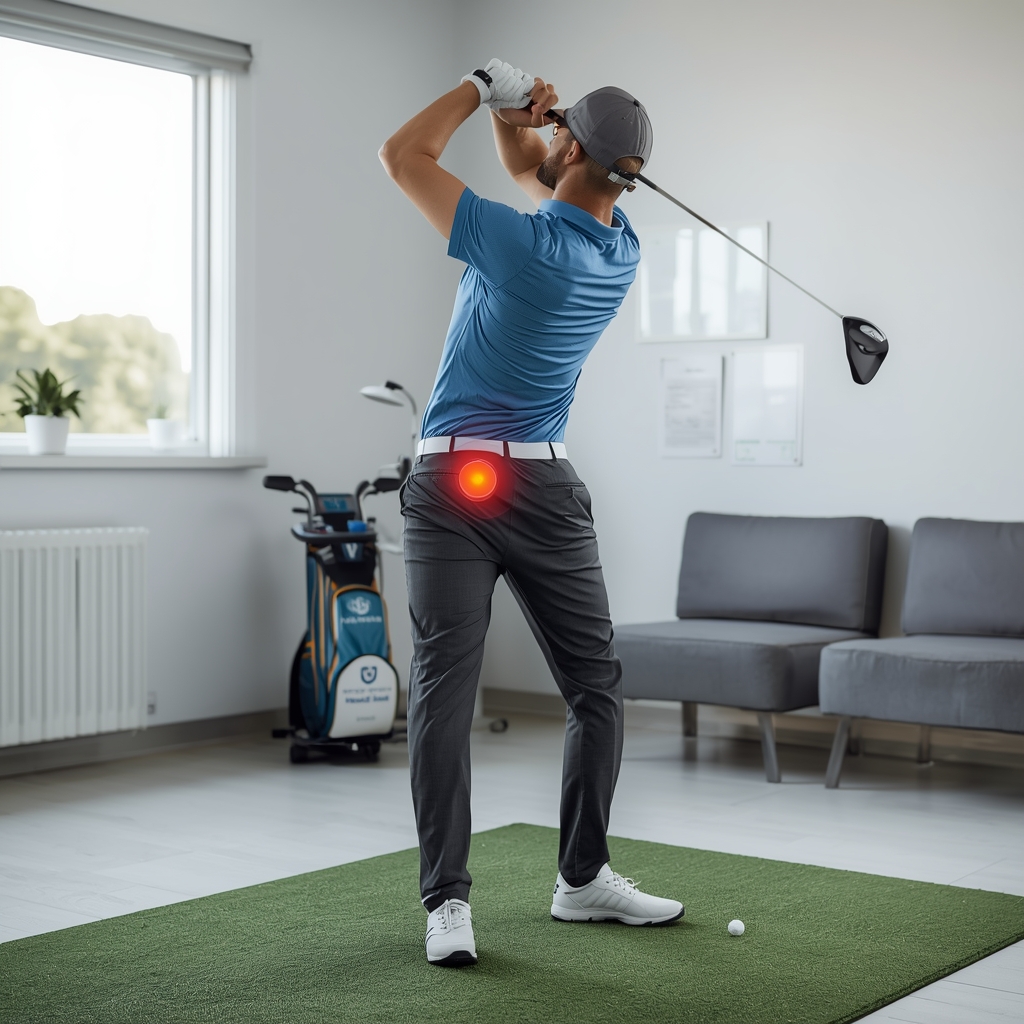
Understanding the Role of Hip Mobility in Golf Performance
For golfers, hip mobility is a cornerstone of effective swing mechanics and power generation. The hips act as a pivotal link between the lower and upper body, enabling rotational force and stability during the swing. Limited range of motion in the hips can disrupt this kinetic chain, leading to compensatory movements that reduce swing efficiency and increase injury risk. Poor hip mobility may also contribute to lower back strain, as the spine attempts to compensate for restricted hip movement. Golfers with tight hips often experience reduced driving distance and inconsistent ball striking. Addressing these limitations through targeted interventions is essential for optimizing performance and longevity in the sport. Chiropractic care offers a non-invasive approach to restore balance and function, making it a valuable tool for athletes seeking to maintain or enhance their physical capabilities.
Common Causes of Limited Hip Mobility in Golfers
Several factors can contribute to restricted hip mobility among golfers. Repetitive swinging motions may lead to muscle imbalances, with overuse of certain hip flexors and glutes creating tightness in specific areas. Prolonged sitting, common among many professionals, can also stiffen the hips and limit flexibility. Poor posture, both on and off the course, further exacerbates these issues by altering joint alignment. Additionally, previous injuries or chronic conditions like arthritis may restrict movement over time. These factors often work in combination, creating a cycle of stiffness and compensatory patterns. Without intervention, these limitations can hinder a golfer’s ability to generate power and maintain proper form. Chiropractors evaluate these patterns to identify root causes and develop strategies to restore optimal hip function, tailored to the athlete’s unique needs.
How Chiropractic Adjustments Target Hip Function
Chiropractic adjustments play a critical role in addressing hip mobility by restoring proper joint alignment and reducing nerve interference. When the spine or pelvis is misaligned, it can create tension in surrounding muscles and restrict hip movement. Through precise manual techniques, chiropractors realign these structures, alleviating pressure and improving range of motion. Adjustments also stimulate proprioceptive feedback, enhancing the body’s ability to move efficiently. For golfers, this can translate to smoother rotational mechanics and greater power output. Additionally, adjustments may help reduce inflammation and promote blood flow to the hips, accelerating recovery from wear and tear. By addressing both structural and functional imbalances, chiropractic care supports the body’s natural ability to perform at its best, making it a valuable component of a golfer’s training regimen.
Soft Tissue Techniques to Enhance Hip Flexibility
Complementing spinal adjustments, soft tissue therapies are essential for addressing muscle tightness and adhesions that limit hip mobility. Techniques like Active Release Technique (ART) and Graston Therapy target restricted soft tissues, breaking down scar tissue and restoring elasticity. These methods are particularly effective for golfers, as they often develop tightness in the hip flexors, iliotibial band, and surrounding muscles from repetitive motion. By improving tissue quality, these therapies enhance flexibility and reduce the risk of strain during swings. Chiropractors may also incorporate myofascial release or trigger point therapy to alleviate tension in overworked muscles. When combined with adjustments, soft tissue work ensures a comprehensive approach to mobility, allowing golfers to achieve fuller, pain-free movement. This dual focus on joints and muscles helps create a balanced foundation for optimal performance on the course.
Corrective Exercises to Support Hip Mobility and Power
Chiropractic care often includes tailored corrective exercises to reinforce improvements in hip mobility and strength. These exercises are designed to address specific imbalances, such as weak glutes or tight hip flexors, that may hinder a golfer’s performance. Movements like clamshells, banded hip rotations, and dynamic stretches can enhance flexibility and stability. A chiropractor may also recommend core strengthening routines to improve overall posture and reduce compensatory patterns. Consistency with these exercises is key, as they help maintain the benefits of adjustments and soft tissue work over time. Golfers who incorporate these practices often experience greater control, power, and injury resilience. However, it’s important to work with a qualified provider to ensure exercises are appropriate for individual needs, avoiding potential strain or misalignment.
The Importance of a Holistic Approach for Long-Term Results
For sustained improvements in hip mobility and golf performance, a holistic approach is essential. Chiropractic care works best when integrated with other strategies, such as proper warm-up routines, ergonomic adjustments, and lifestyle modifications. Golfers may benefit from combining adjustments with physical therapy, massage, or nutritional guidance to address all contributing factors. Regular follow-ups with a chiropractor allow for ongoing assessment and refinement of treatment plans, ensuring continued progress. This comprehensive strategy not only enhances mobility but also supports overall musculoskeletal health, reducing the risk of future limitations. By prioritizing both structural and functional wellness, golfers can maintain peak performance while minimizing the impact of age-related or activity-induced wear. A collaborative, multidisciplinary approach empowers athletes to achieve lasting results and enjoy the game with greater ease and confidence.












