
Understanding Combat-Related Spinal Injuries in Veterans
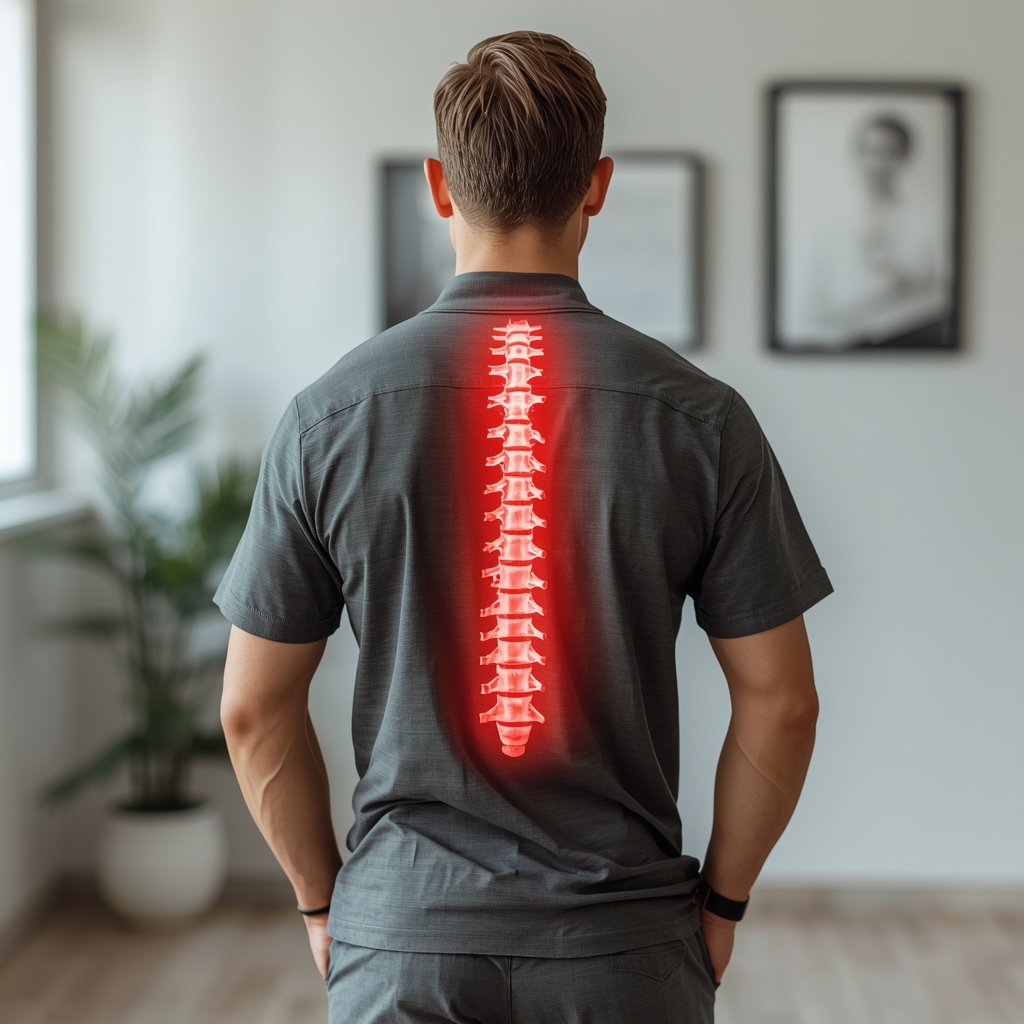
Combat-related spinal injuries often result from explosive devices, vehicle accidents, or physical trauma, leading to complex conditions like herniated discs, nerve damage, or chronic pain. These injuries can significantly impact mobility, mental health, and daily functioning. Veterans may also face long-term complications, such as post-traumatic stress disorder (PTSD) or musculoskeletal imbalances, complicating recovery. Chiropractors play a vital role in addressing these challenges by offering tailored care that prioritizes both physical and emotional well-being. Customized rehabilitation programs are essential to accommodate the unique needs of each veteran, ensuring safe, effective, and sustainable recovery. By focusing on individualized treatment, chiropractors help veterans regain independence and improve their quality of life.
Comprehensive Assessment and Personalized Treatment Plans
Effective rehabilitation begins with a thorough evaluation of the veteran’s medical history, injury specifics, and current functional limitations. Chiropractors use diagnostic tools, physical exams, and patient input to create detailed treatment plans. These plans may include spinal adjustments, soft tissue therapy, and mobility exercises designed to address the root causes of pain and dysfunction. For combat injuries, this process often involves collaboration with military healthcare providers to ensure alignment with broader treatment goals. Personalized care allows chiropractors to adapt techniques to the veteran’s resilience, preferences, and progress. By prioritizing individual needs, these programs foster trust and encourage active participation in recovery, which is critical for long-term success.
Targeted Techniques for Spinal Rehabilitation
Chiropractors employ a range of evidence-based techniques to support spinal recovery in veterans. Spinal adjustments help realign the vertebrae, reducing pressure on nerves and improving mobility. Soft tissue therapies, such as myofascial release, address muscle tension and scar tissue from injuries. Functional movement training enhances stability and prevents future strain. For combat-related trauma, these methods are often combined with modalities like cold laser therapy or electrical stimulation to reduce inflammation and promote healing. The focus is on restoring natural biomechanics while minimizing discomfort. By integrating these approaches, chiropractors create a holistic plan that supports both structural and physiological recovery, empowering veterans to rebuild strength and confidence.
Collaboration with Multidisciplinary Healthcare Teams
Rehabilitation for combat injuries often requires a team-based approach, and chiropractors work alongside physicians, physical therapists, and mental health professionals to provide comprehensive care. This collaboration ensures that spinal treatments complement other therapies, such as medication management or psychological support. For example, a veteran with PTSD may benefit from chiropractic care that reduces physical pain, thereby improving mental health outcomes. Chiropractors also communicate with military healthcare providers to align treatment with veterans’ benefits and insurance coverage. By fostering open dialogue and shared goals, this integrated model enhances recovery efficiency and addresses the multifaceted challenges veterans face. Such partnerships underscore the importance of coordinated care in achieving optimal outcomes.
Long-Term Management and Preventive Strategies
Customized rehabilitation programs extend beyond acute treatment, focusing on long-term wellness and injury prevention. Chiropractors educate veterans on posture, ergonomics, and lifestyle adjustments to reduce strain on the spine. Regular maintenance visits help monitor progress and address emerging issues before they escalate. For veterans with chronic conditions, these programs may include adaptive exercises and nutritional guidance to support overall health. Emphasis is placed on empowering patients to take an active role in their care, fostering resilience and self-sufficiency. By combining ongoing support with preventive measures, chiropractors help veterans maintain mobility and independence, even as they age or face new challenges. This proactive approach ensures sustained improvements in quality of life.
Encouraging Access to Specialized Chiropractic Care
Veterans with spinal injuries may benefit greatly from seeking chiropractic care tailored to their unique needs. However, awareness of these services and access to qualified providers remain barriers. Chiropractors can bridge this gap by educating veterans about the role of spinal care in recovery and collaborating with VA facilities to expand options. Programs that integrate chiropractic services into existing rehabilitation frameworks can enhance outcomes and reduce reliance on invasive treatments. Veterans are encouraged to consult licensed chiropractors with experience in trauma and military-related injuries to explore personalized rehabilitation plans. By prioritizing specialized care, veterans can achieve more comprehensive recovery and regain control over their health and well-being.















