
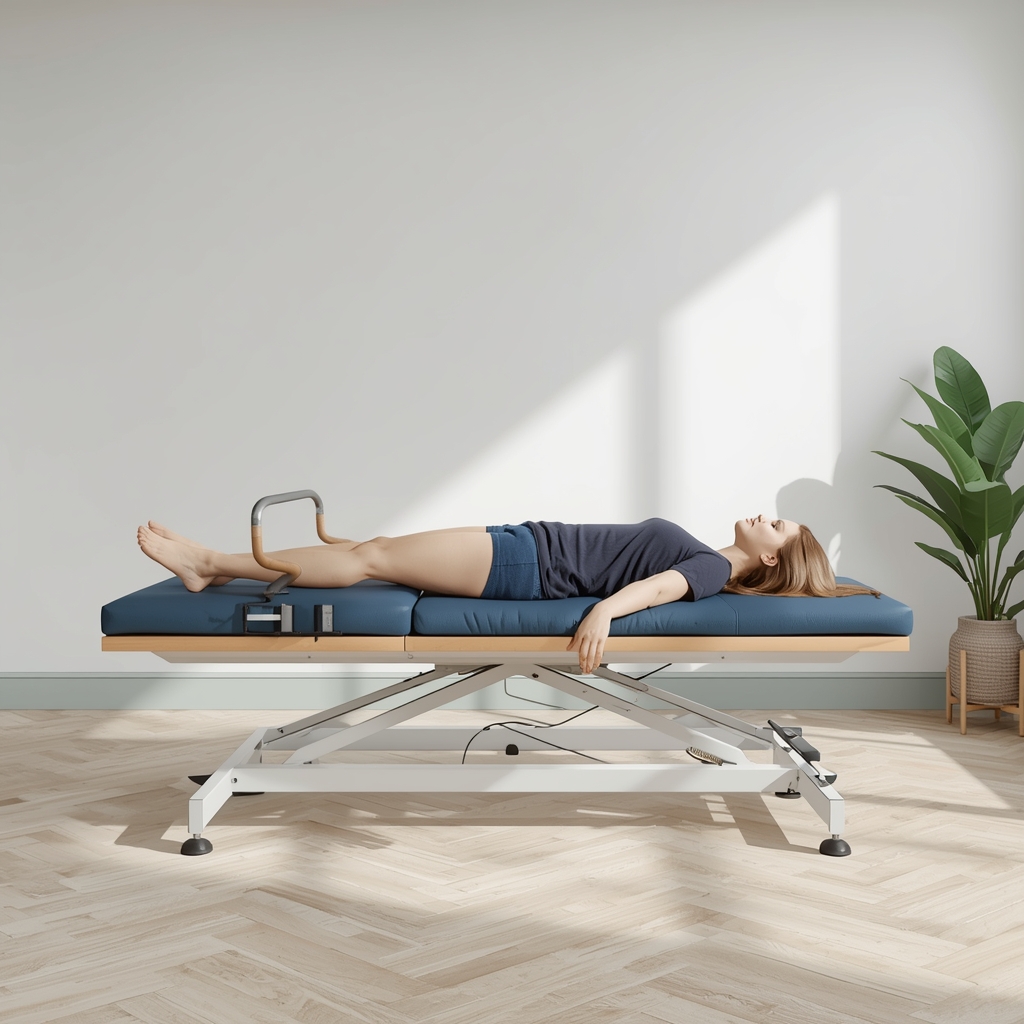
Understanding Intersegmental Traction Tables
Intersegmental traction tables are specialized devices designed to gently stretch and decompress the spine, targeting chronic spinal stiffness. These tables use a curved, moving belt to apply controlled pressure along the vertebral column, promoting mobility and reducing tension in the surrounding muscles and joints. Chiropractors often use them to complement manual adjustments, focusing on areas of restricted movement. By isolating specific spinal segments, the tables can help alleviate discomfort and improve range of motion. However, they are not a standalone solution and should be part of a broader treatment plan. Patients should always consult a licensed chiropractor to determine if this tool is appropriate for their condition. The goal is to enhance spinal function while ensuring safety and comfort during sessions.
Proper Technique and Patient Positioning
Effective use of intersegmental traction tables requires precise patient positioning and operator expertise. The patient lies flat on the table, with the belt adjusted to align with the spine’s natural curvature. Chiropractors carefully select the traction force and duration based on the individual’s tolerance and condition. For chronic stiffness, sessions typically last 10–15 minutes, allowing gradual relaxation of tight tissues. Proper positioning ensures even pressure distribution, minimizing the risk of injury. Patients should remain still during the process, as movement can reduce effectiveness. Chiropractors may also use additional supports, such as cushions, to enhance comfort. Regular communication between the provider and patient is essential to adjust settings as needed. This attention to detail helps maximize benefits while maintaining a safe, controlled environment for treatment.
Combining Traction with Other Therapies
Intersegmental traction tables are most effective when integrated with other chiropractic techniques. Chiropractors often follow traction sessions with manual adjustments to realign the spine and reinforce mobility gains. Soft tissue therapies, such as massage or myofascial release, may also be used to address muscle tension contributing to stiffness. Additionally, rehabilitative exercises prescribed by the chiropractor can strengthen supporting muscles and improve long-term outcomes. This multi-modal approach addresses both structural and muscular components of chronic spinal stiffness. Patients may also benefit from lifestyle modifications, such as ergonomic adjustments or posture training, to prevent recurrence. By combining traction with complementary therapies, chiropractors create a comprehensive plan tailored to each patient’s needs, enhancing overall spinal health and function.
Monitoring Progress and Adjusting Treatment
Regular evaluation is crucial to assess the effectiveness of intersegmental traction for chronic spinal stiffness. Chiropractors track patient feedback, such as reduced pain levels or improved mobility, to gauge progress. Objective measures, like range-of-motion tests or imaging, may also be used to document changes over time. If improvements plateau, the chiropractor may adjust the traction settings, session duration, or combine the therapy with alternative techniques. Patients should report any discomfort or new symptoms promptly, as this may indicate the need for modifications. Consistent follow-ups allow for personalized adjustments, ensuring the treatment remains safe and effective. This dynamic approach helps address evolving patient needs while maintaining optimal outcomes for long-term spinal health.
Safety Considerations and Contraindications
While intersegmental traction tables are generally safe, they are not suitable for all patients. Chiropractors must screen individuals for contraindications, such as severe osteoporosis, spinal instability, or recent fractures, which could worsen with traction. Proper training is essential to operate the equipment correctly and avoid overuse injuries. Patients should be educated about potential side effects, like temporary soreness, and advised to report any unusual symptoms. The chiropractor should also consider the patient’s overall health, including conditions like hypertension or pregnancy, which may require modifications. By prioritizing safety and individualized care, chiropractors can minimize risks while maximizing the benefits of traction therapy. Always consult a qualified provider to determine if this tool is appropriate for your specific condition.
Empowering Patients Through Education
Chiropractors play a key role in educating patients about intersegmental traction tables and their role in managing chronic spinal stiffness. Clear communication about the procedure, expected outcomes, and potential limitations helps set realistic expectations. Patients should understand that traction is one component of a broader treatment strategy, not a quick fix. Encouraging active participation, such as adhering to prescribed exercises or ergonomic adjustments, empowers patients to take charge of their recovery. Chiropractors may also provide resources or demonstrations to enhance comprehension. By fostering a collaborative relationship, providers can ensure patients feel informed and supported throughout their care. This educational approach strengthens trust and promotes long-term adherence to effective spinal health practices.














