
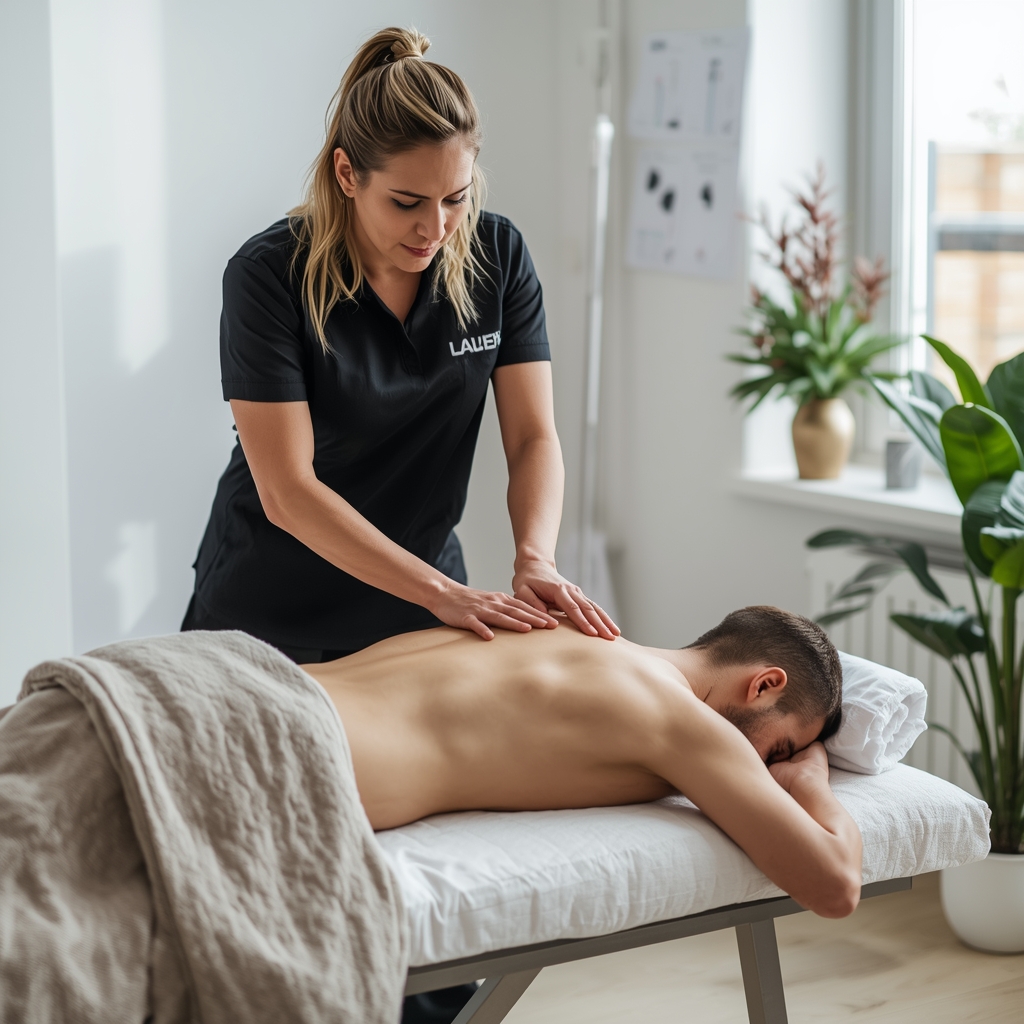
Understanding Chronic Myofascial Pain and the Role of Integrated Care
Chronic myofascial pain, characterized by persistent muscle tenderness and trigger points, often requires a multifaceted approach for effective management. This condition can limit mobility and reduce quality of life, making it essential to address both musculoskeletal dysfunction and soft-tissue restrictions. Chiropractors and massage therapists play complementary roles in this process, with chiropractic adjustments targeting spinal alignment and nerve function, while massage therapy focuses on releasing muscle tension and improving circulation. By integrating these therapies, practitioners can address pain from multiple angles, promoting faster recovery and long-term relief. Patients benefit from a coordinated plan that balances structural correction with soft-tissue rehabilitation, ensuring a holistic approach to their care. This collaboration underscores the importance of communication between healthcare providers to tailor treatments to individual needs.
The Synergistic Benefits of Combining Spinal Adjustments and Massage Therapy
Spinal adjustments and massage therapy work together to alleviate chronic myofascial pain by addressing both mechanical and physiological factors. Spinal manipulations can restore proper joint mobility and reduce nerve irritation, while massage techniques like myofascial release and trigger-point therapy break down adhesions and ease muscle stiffness. When these treatments are combined, they create a synergistic effect, enhancing pain relief and improving range of motion. For example, a chiropractor might adjust the spine to correct misalignments, followed by a massage session to relax surrounding muscles and prevent compensatory tension. This sequence reduces the likelihood of recurring pain and supports the body’s natural healing processes. Patients often report greater comfort and functionality when both therapies are used in tandem, highlighting the value of an integrated care model.
Strategies for Effective Coordination Between Chiropractic and Massage Therapies
Successful coordination between chiropractic and massage therapies begins with clear communication between practitioners. Chiropractors should consult with massage therapists to understand a patient’s muscular condition and tailor adjustments accordingly. For instance, if a patient has tight iliopsoas muscles, the chiropractor might prioritize gentle adjustments to avoid exacerbating tension. Similarly, massage therapists can inform chiropractors about areas of high muscle resistance that may impact spinal stability. Scheduling sessions in a logical sequence—such as adjusting first to optimize alignment, then massaging to release tension—can maximize outcomes. Regular follow-ups and shared patient notes ensure both providers remain aligned with the treatment goals. This collaborative approach not only improves results but also fosters trust between patients and their care team, reinforcing the value of integrated healthcare.
Addressing Patient Needs Through Personalized Treatment Plans
Every patient’s chronic myofascial pain presents uniquely, requiring personalized treatment plans that balance chiropractic and massage interventions. Factors such as pain severity, muscle imbalances, and lifestyle habits influence the optimal combination of therapies. A patient with a history of repetitive strain might benefit from frequent massage sessions to manage muscle knots, paired with periodic adjustments to maintain spinal stability. Conversely, someone with structural misalignments may need more frequent chiropractic care alongside targeted massage to address secondary muscle tightness. Chiropractors and massage therapists should work together to assess progress and adjust protocols as needed. This flexibility ensures that care remains responsive to the patient’s evolving needs, promoting sustained relief and preventing relapse. By prioritizing individualized care, providers can enhance patient satisfaction and long-term outcomes.
Challenges in Integrating Massage Therapy with Chiropractic Care
While integrating massage therapy with chiropractic care offers significant benefits, challenges can arise in practice. Discrepancies in treatment philosophies or protocols may lead to confusion about the optimal sequence of interventions. For example, aggressive massage techniques could temporarily destabilize a recently adjusted spine, requiring careful timing and coordination. Patients may also struggle to adhere to complex schedules, especially if they have limited mobility or financial constraints. Additionally, some practitioners may lack training in collaborative care, hindering effective communication. Overcoming these obstacles requires ongoing education, mutual respect for each other’s expertise, and a patient-centered focus. By addressing these challenges proactively, chiropractors and massage therapists can create a seamless care experience that prioritizes the patient’s well-being and minimizes potential conflicts.
Conclusion: Maximizing Pain Relief Through Collaborative Care
Chronic myofascial pain management benefits greatly from the integration of chiropractic adjustments and massage therapy. By aligning their approaches, practitioners can address both structural and soft-tissue components of pain, leading to more comprehensive relief. Effective communication, personalized treatment planning, and a focus on patient needs are essential to this collaboration. While challenges exist, they can be overcome through education and a shared commitment to holistic care. Patients who receive coordinated treatment often experience improved mobility, reduced discomfort, and enhanced overall function. As the healthcare landscape evolves, embracing integrated models like this will be key to delivering high-quality, patient-centered care. Chiropractors and massage therapists are encouraged to work together to unlock the full potential of these complementary therapies for their patients.














