
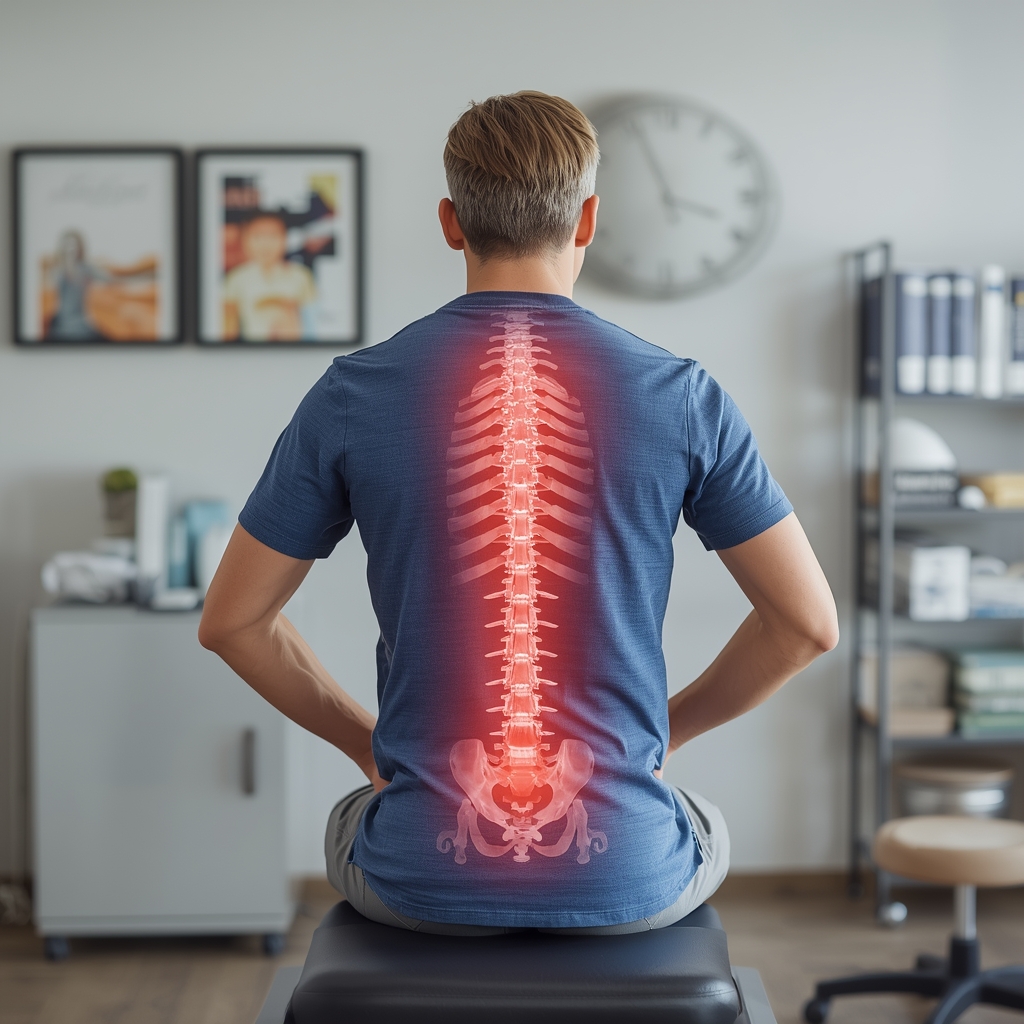
Introduction to Diagnostic Differentiation
Accurate diagnosis is critical when distinguishing sacroiliac joint dysfunction (SIJD) from lumbar radiculopathy, as their symptoms often overlap. Both conditions can cause lower back pain, but their underlying causes and treatment approaches differ significantly. Chiropractors rely on a systematic physical exam to identify key differences. SIJD typically involves pain in the sacroiliac joint area, while lumbar radiculopathy often presents with nerve-related symptoms like radiating leg pain. Understanding these distinctions helps ensure patients receive the most effective care. Misdiagnosis can lead to ineffective treatments and prolonged discomfort. This article explores the physical exam techniques chiropractors use to differentiate these conditions, emphasizing the importance of a thorough assessment.
Physical Exam Techniques for SIJD and Radiculopathy
Chiropractors begin with a detailed patient history to identify red flags or patterns that might suggest one condition over the other. During the physical exam, they assess posture, gait, and range of motion. For SIJD, tenderness over the sacroiliac joints and pain with specific movements—such as standing on one leg—are common. In contrast, lumbar radiculopathy may involve neurological signs like muscle weakness or altered reflexes. The examiner also evaluates for pain reproduction during maneuvers like the FABER test or the straight leg raise. These techniques help narrow down the source of pain, guiding further diagnostic steps. A systematic approach ensures no critical clues are missed during the evaluation.
Key Diagnostic Tests and Maneuvers
Several specific tests are used to differentiate SIJD from lumbar radiculopathy. The FABER (Flexion, ABduction, and External Rotation) test involves positioning the patient’s leg to stress the sacroiliac joint, reproducing pain if SIJD is present. The Lasègue test, or straight leg raise, is more indicative of lumbar radiculopathy, as it stretches the sciatic nerve. Chiropractors may also perform the Gaenslen’s test, where the patient lies prone with the affected leg hanging off the exam table to isolate SIJD. These maneuvers, combined with patient feedback, help pinpoint the affected area. However, no single test is definitive, so chiropractors integrate findings from multiple assessments to form a comprehensive diagnosis.
Imaging and Diagnostic Tools
While physical exams provide valuable insights, imaging and diagnostic tools may be necessary for confirmation. X-rays, MRI, or CT scans can reveal structural abnormalities in the sacroiliac joints or lumbar spine. For SIJD, imaging might show joint degeneration or inflammation, whereas lumbar radiculopathy could show disc herniation or nerve compression. However, these tools are not always conclusive, and chiropractors often rely on clinical judgment. In some cases, diagnostic injections—such as a sacroiliac joint block—may be used to confirm the source of pain. These interventions are typically reserved for complex cases where the physical exam is inconclusive, ensuring patients receive targeted care.
Distinguishing Symptom Patterns
Patients with SIJD often describe localized pain in the lower back or hips, exacerbated by activities like standing, climbing stairs, or twisting. Pain may radiate to the groin or thigh but rarely extends below the knee. Lumbar radiculopathy, however, typically involves radiating pain along the sciatic nerve, often below the knee, accompanied by numbness, tingling, or weakness. Chiropractors also note the presence of neurological symptoms, such as diminished reflexes or muscle atrophy, which are more common in radiculopathy. Understanding these patterns helps differentiate the two conditions. However, overlapping symptoms can complicate diagnosis, underscoring the need for a thorough, multi-faceted evaluation.
The Chiropractor’s Role in Accurate Diagnosis
Chiropractors play a vital role in identifying the root cause of lower back pain through a combination of clinical expertise and patient-centered care. Their training includes advanced musculoskeletal assessment techniques, enabling them to detect subtle differences between SIJD and lumbar radiculopathy. If uncertainty persists, chiropractors may refer patients to other specialists, such as orthopedic physicians or neurologists, for further evaluation. Collaboration ensures patients receive a comprehensive diagnosis and treatment plan. Ultimately, the goal is to address the specific needs of each individual, whether through spinal adjustments, soft tissue therapy, or referrals for additional testing. This integrative approach highlights the importance of accurate diagnosis in achieving optimal outcomes.











