
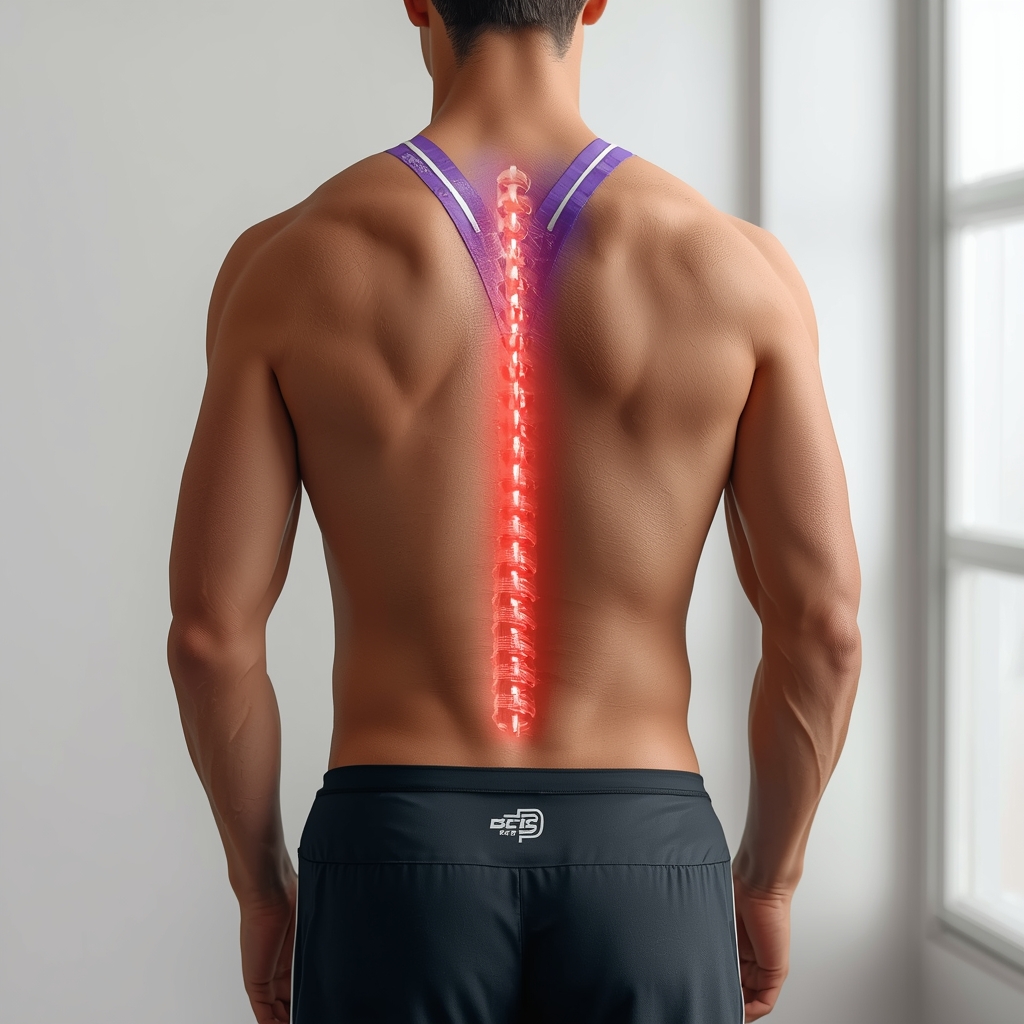
Understanding IT Band Syndrome and Kinesio Taping
Iliotibial Band Syndrome (ITBS) is a common overuse injury among runners, characterized by inflammation of the iliotibial band—a thick band of tissue running along the outside of the leg. This condition often causes pain on the outer knee, worsening during activities like running or climbing stairs. Kinesio Taping, a therapeutic taping technique, can help alleviate symptoms by reducing tension on the IT band, improving proprioception, and supporting proper biomechanics. While not a standalone treatment, it complements chiropractic care by addressing mechanical stressors. Chiropractors may use Kinesio Taping to stabilize the affected area, reduce inflammation, and encourage natural healing. However, its effectiveness depends on proper application and integration with other interventions, such as spinal adjustments and soft tissue therapies.
Assessing Individual Needs for Customization
Designing a tailored Kinesio Taping protocol begins with a thorough assessment of the runner’s biomechanics, movement patterns, and injury history. Chiropractors evaluate factors like hip stability, core strength, and gait abnormalities, as these can contribute to ITBS recurrence. For example, weak gluteal muscles or excessive foot pronation may increase strain on the IT band. By identifying these underlying issues, chiropractors can determine the optimal taping technique, tension, and placement. This personalized approach ensures the tape addresses specific stress points while allowing natural movement. Regular re-evaluations are essential to adjust the protocol as the runner’s condition improves or changes, ensuring long-term effectiveness and preventing over-reliance on the tape.
Key Factors in Customizing Taping Protocols
Several factors influence how chiropractors tailor Kinesio Taping for ITBS. These include the runner’s activity level, the severity of their symptoms, and their response to previous treatments. For instance, a competitive runner may require a more dynamic taping strategy to support high-impact movements, while a recreational runner might benefit from a gentler approach. Chiropractors also consider the runner’s skin sensitivity, as prolonged taping can cause irritation. Additionally, the tape’s tension and direction are adjusted based on the goal—whether to provide support, reduce swelling, or correct alignment. By balancing these variables, chiropractors create protocols that align with the runner’s lifestyle and recovery needs, enhancing both comfort and performance.
Techniques for Effective Kinesio Taping Application
Proper application of Kinesio Taping is critical for its success in managing ITBS. Chiropractors typically use a strip of elastic tape, applying it along the IT band’s path from the hip to the knee, with specific tension to lift the skin and reduce pressure. Techniques may involve a “I”-shaped strip for targeted support or a “Y”-shaped strip to address broader areas. The tape is often applied with the leg in a slightly bent position to mimic natural movement patterns. Chiropractors also educate runners on how to self-apply the tape for daily use, ensuring consistency. It’s important to avoid excessive tightness, which could restrict circulation or cause discomfort. When combined with chiropractic adjustments and strengthening exercises, these techniques can significantly reduce ITBS recurrence and enhance recovery.
Integrating Kinesio Taping with Other Chiropractic Care
Kinesio Taping works best when integrated with a comprehensive chiropractic care plan. Chiropractors may combine taping with spinal adjustments to correct misalignments that contribute to ITBS, such as sacroiliac joint dysfunction or lumbar instability. Soft tissue therapies, like Active Release Technique (ART), can also be used to release tight muscles around the IT band, improving flexibility. Additionally, corrective exercises targeting the hips, glutes, and core are often recommended to address underlying biomechanical issues. This multi-faceted approach ensures that the IT band is supported both mechanically and functionally. By addressing the root causes of ITBS, chiropractors help runners not only manage symptoms but also reduce the likelihood of future injuries.
Preventing Recurrence Through Long-Term Strategies
To prevent ITBS recurrence, chiropractors emphasize long-term strategies that go beyond temporary solutions like Kinesio Taping. These include regular maintenance adjustments to maintain spinal and joint alignment, as well as ongoing assessments of the runner’s biomechanics. Chiropractors may also recommend lifestyle modifications, such as proper warm-up routines, cross-training to reduce repetitive strain, and footwear evaluations to address gait issues. Education on recognizing early signs of ITBS, like mild discomfort during runs, empowers runners to seek timely care. By combining taping with these proactive measures, chiropractors help runners build resilience and sustain performance without recurring injuries.














