
Understanding Repetitive Strain Injuries in Assembly Line Work
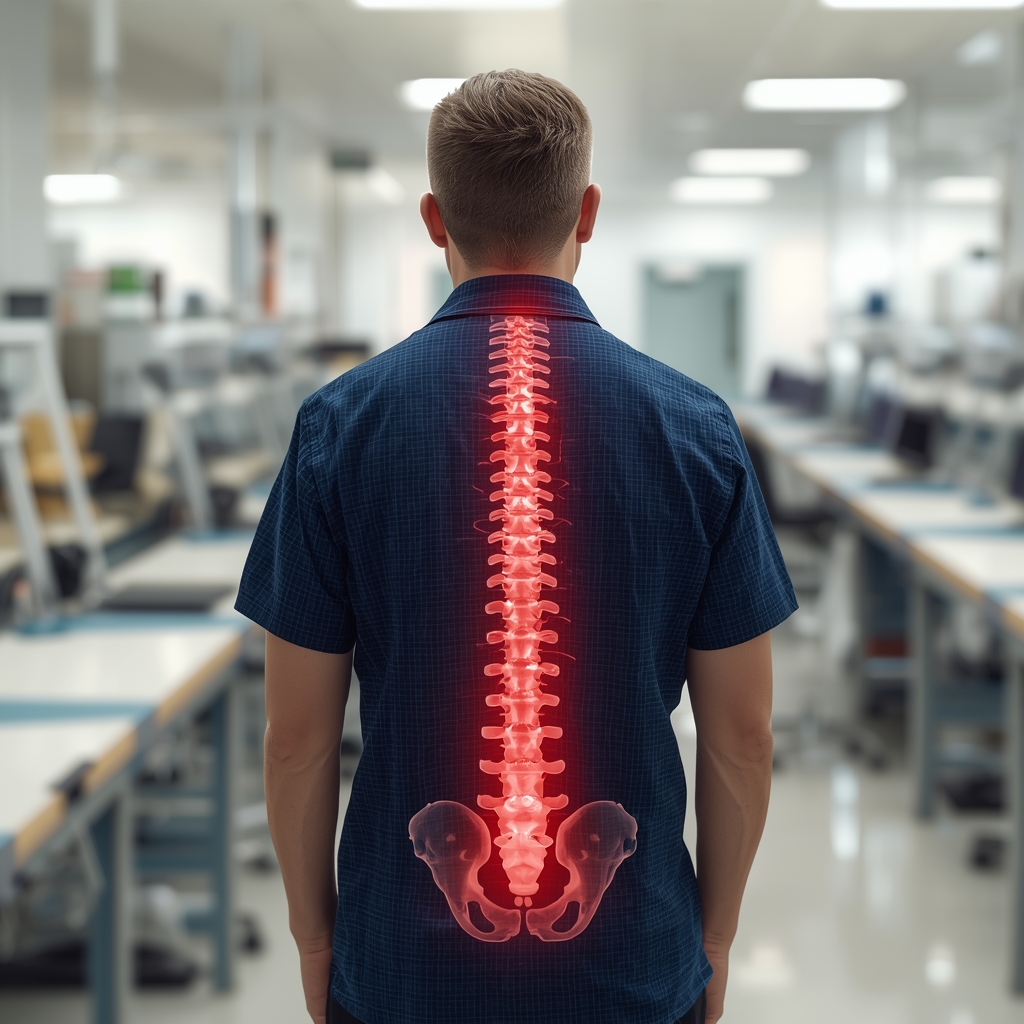
Assembly line workers often face unique occupational risks due to repetitive motions, prolonged postures, and heavy lifting. These tasks can lead to repetitive strain injuries (RSIs), affecting muscles, tendons, and nerves in the hands, arms, shoulders, and back. Common conditions include carpal tunnel syndrome, tendonitis, and lower back pain. Unlike office or warehouse settings, assembly line environments involve continuous, high-frequency movements that strain the body over time. The cumulative impact of these motions can result in chronic discomfort, reduced productivity, and long-term disability if left unaddressed. Chiropractic care offers a proactive approach to mitigate these risks by focusing on musculoskeletal health, posture, and biomechanics. By identifying early signs of strain and implementing targeted interventions, chiropractors can help workers maintain functionality and prevent injuries from worsening.
How Chiropractic Care Addresses Occupational Strain
Chiropractic care emphasizes the body’s ability to heal itself through natural, non-invasive methods. For assembly line workers, chiropractors use spinal adjustments, soft tissue therapies, and rehabilitative exercises to alleviate pain and restore mobility. By correcting misalignments in the spine and joints, chiropractic treatment can reduce nerve pressure and improve overall body function. This is particularly beneficial for workers experiencing radiating pain from the neck to the hands or lower back discomfort from repetitive bending. Additionally, chiropractors may recommend ergonomic modifications to workstations, such as adjusting tool heights or encouraging frequent breaks. These strategies help redistribute physical stress, minimizing the risk of chronic RSIs. Regular chiropractic checkups can also detect early signs of strain before they escalate into severe conditions, making it a valuable component of workplace health programs.
Preventive Strategies for Assembly Line Workers
Prevention is key to reducing RSIs in high-demand assembly line environments. Chiropractors often collaborate with employers to design workplace wellness programs that prioritize ergonomic practices and physical conditioning. These programs may include education on proper lifting techniques, stretching routines, and posture correction. For example, teaching workers to engage core muscles during lifting or to alternate tasks to avoid overuse of specific body parts can significantly lower injury risk. Chiropractors may also introduce corrective exercises to strengthen muscles that support the spine and joints, enhancing resilience against repetitive strain. Additionally, regular assessments of workstations—such as ensuring monitor heights align with eye level or providing supportive footwear—can create a safer working environment. By integrating these preventive measures, assembly line workers can maintain better physical health and reduce the likelihood of developing chronic pain conditions.
Treatment Approaches for Existing Repetitive Strain Injuries
For workers already experiencing RSIs, chiropractic care offers targeted treatment options to alleviate symptoms and promote recovery. Techniques such as spinal manipulation, mobilization, and soft tissue therapy can reduce inflammation, relieve nerve compression, and restore range of motion. Chiropractors may also employ modalities like ultrasound or electrical stimulation to ease pain and accelerate healing. A personalized treatment plan might include adjustments to address spinal misalignments contributing to referred pain, along with recommendations for activity modification. For instance, a worker with wrist pain from repetitive tasks could receive adjustments to the cervical spine, which may indirectly reduce nerve irritation in the hand. Chiropractors often emphasize patient education, teaching individuals how to modify daily activities and recognize warning signs of overuse. This holistic approach not only manages symptoms but also empowers workers to take an active role in their recovery.
The Role of Ergonomics in Chiropractic Care
Ergonomics plays a critical role in both preventing and treating RSIs, and chiropractors frequently integrate ergonomic assessments into their practice. By evaluating a worker’s workspace, tools, and movement patterns, chiropractors can identify factors contributing to strain and recommend adjustments. For example, a chiropractor might suggest repositioning a machine to reduce bending or provide an adjustable chair to support proper posture. These changes can alleviate pressure on the spine and joints, reducing the risk of injury. Additionally, chiropractors may collaborate with employers to implement ergonomic training programs, ensuring workers understand how to perform tasks safely. For those with existing injuries, ergonomic modifications can facilitate recovery by minimizing further strain. This synergy between chiropractic care and ergonomic principles creates a comprehensive strategy for maintaining musculoskeletal health in demanding work environments.
Consulting a Chiropractor for Personalized Care
Every worker’s body and job demands are unique, making personalized chiropractic care essential for addressing RSIs effectively. A qualified chiropractor will conduct a thorough evaluation, including a medical history review and physical examination, to identify the root causes of strain. This assessment helps tailor interventions to the individual’s needs, whether through specific adjustments, therapeutic exercises, or lifestyle recommendations. Workers should seek a chiropractor with experience in occupational health to ensure they receive expertise relevant to assembly line challenges. Open communication with the chiropractor about work activities, pain levels, and daily routines is crucial for developing an effective care plan. While chiropractic care can significantly improve outcomes, it is most successful when combined with other workplace safety measures. By working closely with healthcare professionals, assembly line workers can protect their musculoskeletal health and sustain long-term productivity.













