
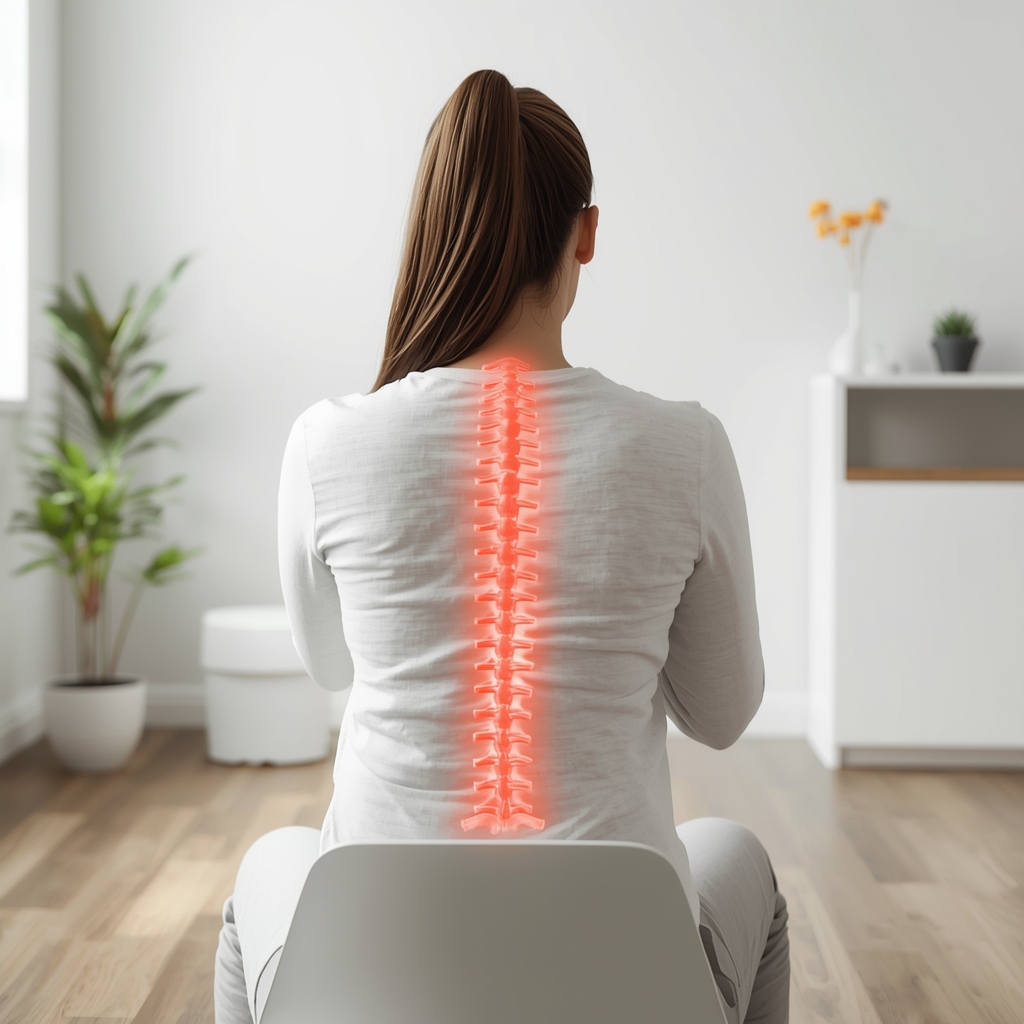
Understanding Holiday-Related Back Strain
Prolonged travel and sitting during the holidays can lead to back pain due to poor posture, repetitive motions, and extended periods in non-ergonomic positions. Airplane seats, car journeys, and holiday gatherings often involve slouching or awkward postures that strain the spine. This can exacerbate existing issues or create new ones, such as muscle stiffness, disc pressure, or nerve compression. The added stress of holiday activities, like lifting heavy bags or standing for long hours, further contributes to musculoskeletal strain. Understanding these triggers helps highlight the importance of proactive care to mitigate discomfort and maintain mobility during the busy season.
Chiropractic Adjustments for Spinal Alignment
Chiropractic adjustments can help realign the spine, reducing pressure on nerves and muscles that contribute to back pain. During holiday travel, misalignments from poor posture or sudden movements may occur, leading to discomfort. A chiropractor can identify these issues through physical exams and targeted adjustments, restoring balance to the musculoskeletal system. This process may alleviate pain, improve range of motion, and enhance overall function. Regular adjustments can also prevent minor issues from escalating into chronic conditions. For those experiencing holiday-related strain, seeking professional care can provide relief and support the body’s natural healing processes without invasive procedures or medication.
Ergonomic Tips for Holiday Travel
Adopting ergonomic practices during travel can significantly reduce back strain. When flying, choose an aisle seat to stretch your legs and use a lumbar support pillow to maintain the spine’s natural curve. In cars, adjust the seat to support the lower back and take frequent breaks to walk around. At home, set up a workspace with an ergonomic chair and monitor height to avoid slouching. Proper posture while sitting, whether at a desk or during travel, distributes pressure evenly and minimizes stress on the spine. These simple adjustments can prevent discomfort and support long-term spinal health, making holiday activities more enjoyable and less physically taxing.
Strengthening Exercises for Back Support
Strengthening core and back muscles can provide better support for the spine, reducing the risk of holiday-related pain. Exercises like planks, bridges, and gentle yoga stretches improve posture and stability. Incorporating these into daily routines, even during busy seasons, helps maintain muscle tone and flexibility. Chiropractors often recommend specific stretches to relieve tension from prolonged sitting or travel. For example, seated twists or hamstring stretches can ease lower back tightness. Consistent movement also promotes blood flow, which aids in recovery and prevents stiffness. By prioritizing strength and mobility, individuals can better withstand the physical demands of holiday activities without compromising their spinal health.
The Role of Soft Tissue Therapy
Soft tissue therapy, such as massage or myofascial release, can complement chiropractic care by addressing muscle tension that contributes to back pain. Holiday travel and sitting often lead to tightness in the back, shoulders, and hips, which can pull the spine out of alignment. Techniques like trigger point therapy or instrument-assisted soft tissue mobilization help relax these areas, improving flexibility and reducing discomfort. Chiropractors may integrate these methods into treatment plans to enhance overall results. By targeting both structural and muscular imbalances, soft tissue therapy supports a holistic approach to pain relief. This combined strategy can make it easier to manage holiday-related strain and maintain comfort throughout the season.
When to Seek Professional Care
If back pain persists or worsens despite self-care measures, consulting a chiropractor is advisable. Holiday-related strain can sometimes mask underlying issues that require professional evaluation. A chiropractor can assess the spine and surrounding structures to determine the root cause of discomfort and create a tailored care plan. Early intervention may prevent minor aches from developing into chronic conditions. Additionally, chiropractors can offer guidance on posture, movement, and lifestyle adjustments to support long-term spinal health. For those navigating the physical demands of the holidays, professional care provides a safe, non-invasive way to manage pain and stay active throughout the season.













