
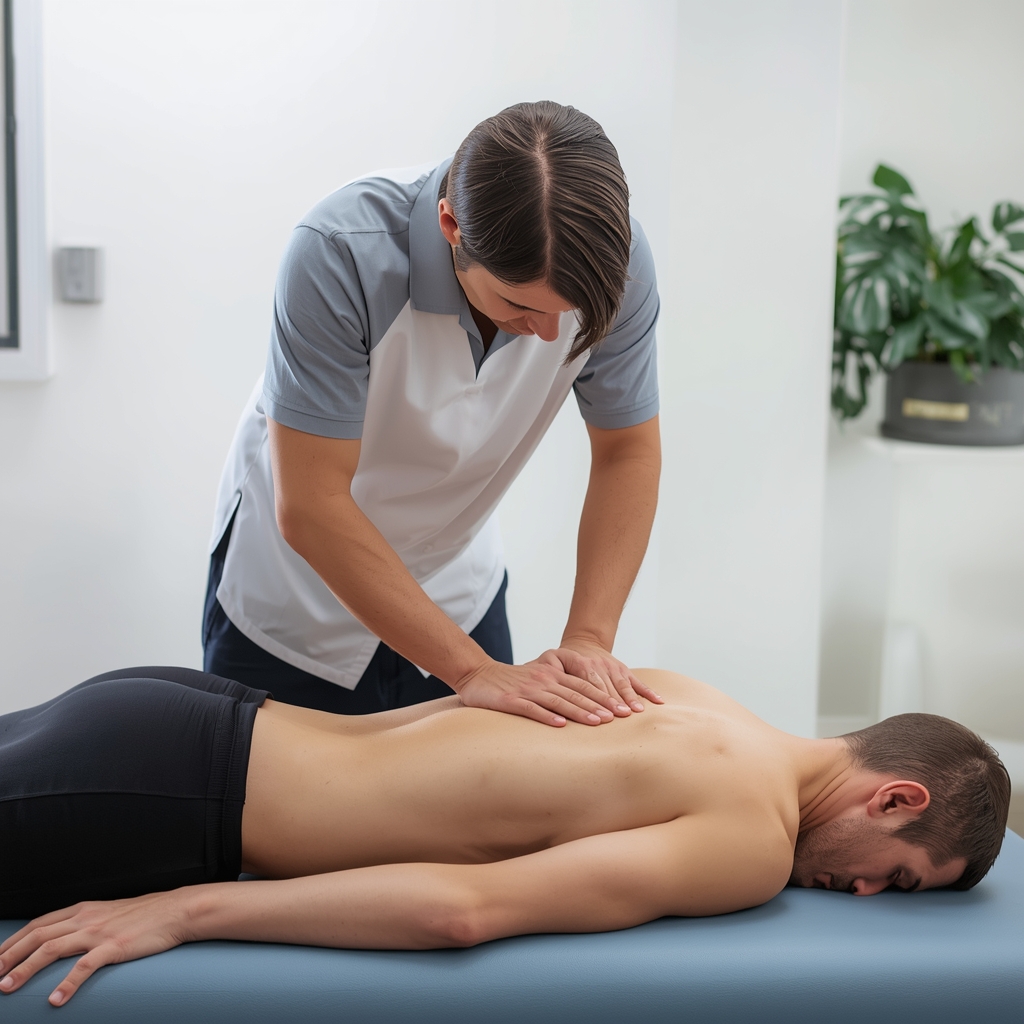
Understanding the Graston Technique and Traditional Massage Therapy
The Graston Technique is a form of instrument-assisted soft tissue mobilization that uses specialized tools to detect and treat areas of restricted movement and scar tissue. Traditional massage therapy, on the other hand, relies on manual pressure and manipulation to relieve muscle tension and improve circulation. Both approaches aim to alleviate pain and enhance mobility but differ in their methods and applications. The Graston Technique is often used for chronic injuries and post-surgical recovery, while massage therapy is widely employed for stress relief and general musculoskeletal discomfort. Understanding their unique benefits can help patients and practitioners choose the most appropriate treatment for specific conditions.
Conditions Most Responsive to the Graston Technique
The Graston Technique is particularly effective for conditions involving soft tissue restrictions, such as tendinitis, bursitis, and scar tissue from injuries. Athletes often benefit from this method to address repetitive strain injuries, as the instruments can target deep tissue adhesions that manual techniques might miss. It is also used for chronic conditions like plantar fasciitis and iliotibial band syndrome, where persistent inflammation and fibrosis limit mobility. By breaking down scar tissue and promoting blood flow, the Graston Technique can accelerate healing and restore function. Many practitioners report improved outcomes in patients with post-surgical recovery, as the technique helps reduce stiffness and enhance tissue flexibility. However, its effectiveness depends on proper diagnosis and integration with other therapeutic approaches.
Conditions Best Addressed by Traditional Massage Therapy
Traditional massage therapy excels in managing conditions related to muscle tension, stress, and general musculoskeletal pain. It is widely used for ailments like tension headaches, lower back pain, and neck stiffness, where soft tissue manipulation can relieve discomfort and improve range of motion. For individuals with chronic pain conditions, such as fibromyalgia or arthritis, massage can provide temporary relief by reducing inflammation and promoting relaxation. The technique is also beneficial for improving circulation and lymphatic drainage, which supports the body’s natural healing processes. While it may not address deep-seated scar tissue as effectively as the Graston Technique, massage therapy offers a holistic approach that can enhance overall well-being. Its adaptability makes it suitable for a broad range of patients, including those seeking preventive care or stress reduction.
Comparing Mechanisms and Techniques
The Graston Technique employs specialized tools to detect and break down scar tissue and adhesions, whereas traditional massage relies on the therapist’s hands to apply pressure and manipulate muscles. The Graston instruments allow for more precise targeting of affected areas, making it ideal for conditions with localized restrictions. In contrast, massage therapy uses a variety of strokes, such as effleurage and deep tissue pressure, to relax muscles and improve circulation. Both methods aim to reduce pain and enhance mobility but approach the process differently. The Graston Technique may require fewer sessions for certain conditions due to its focused intervention, while massage therapy often involves ongoing sessions to maintain results. Understanding these differences can help patients and practitioners determine which approach aligns best with their goals.
Evaluating Efficacy and Safety Considerations
Research suggests that both the Graston Technique and traditional massage therapy can be effective for specific musculoskeletal conditions, though their efficacy varies based on individual needs. The Graston Technique is often praised for its ability to address chronic soft tissue issues, while massage therapy is valued for its versatility and stress-relieving benefits. Safety profiles for both methods are generally favorable when performed by trained professionals, though some patients may experience temporary soreness or bruising. It is essential to consult a qualified chiropractor or therapist to determine the most appropriate treatment plan. Factors such as the severity of the condition, patient preferences, and treatment goals play a critical role in decision-making. Both approaches can complement other therapies, but they should not replace medical advice or prescribed treatments.
Choosing the Right Approach for Your Needs
Deciding between the Graston Technique and traditional massage therapy depends on the nature of the condition, personal preferences, and professional guidance. For individuals with chronic soft tissue restrictions or post-injury recovery, the Graston Technique may offer targeted relief. Those seeking stress reduction, general muscle relaxation, or ongoing maintenance might find traditional massage more suitable. It is crucial to discuss options with a chiropractor or licensed therapist to ensure the chosen method aligns with the patient’s health goals. Both techniques can be part of a comprehensive treatment plan, and in some cases, combining them may yield the best results. Ultimately, the decision should be based on a thorough evaluation of the condition and the patient’s unique needs, with a focus on safety and effectiveness.













