
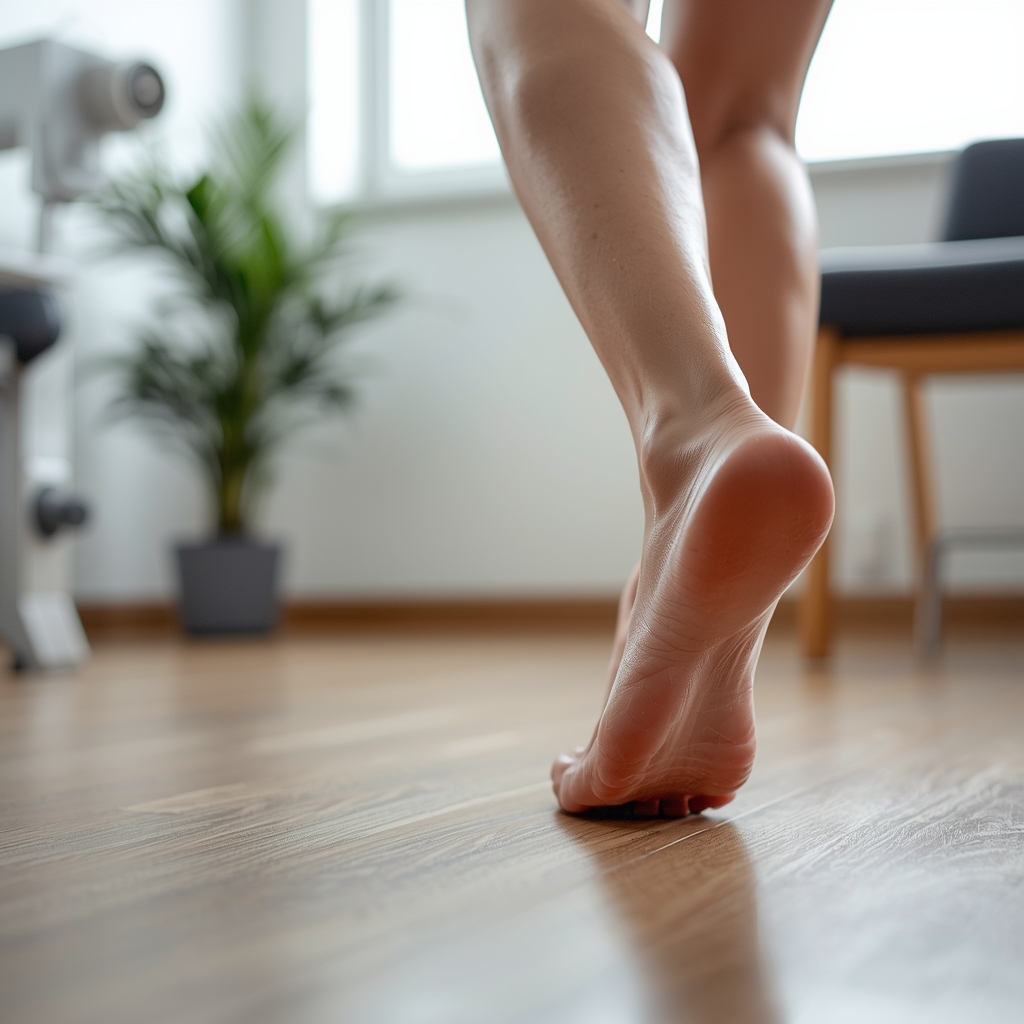
Understanding Gait Analysis in Ankle Instability
Gait analysis involves evaluating how a person walks to identify biomechanical abnormalities that may contribute to ankle instability. For chiropractors, this assessment helps pinpoint issues like overpronation, uneven weight distribution, or altered stride patterns. By observing movement, practitioners can detect compensatory mechanisms that strain the ankle joint. While no specific studies are cited, general consensus emphasizes that gait analysis provides critical insights into musculoskeletal imbalances. Chiropractors often use this tool to guide treatment plans, ensuring interventions address root causes rather than symptoms. Patients may benefit from a holistic approach that combines gait evaluation with other diagnostic methods. This step is essential for creating personalized care strategies that promote long-term stability and prevent further injury.
Common Gait Abnormalities Linked to Ankle Instability
Ankle instability often manifests through specific gait deviations, such as limping, excessive foot rotation, or uneven heel strike. These patterns can indicate weakened ligaments, poor proprioception, or muscle imbalances. For example, a tendency to roll the ankle inward (overpronation) may increase the risk of sprains. Chiropractors also note altered hip or knee mechanics as compensatory responses to ankle dysfunction. While no definitive statistics are provided, clinical observations suggest that addressing these gait irregularities can improve joint alignment and reduce strain. Patients may not always recognize these issues, making professional assessment crucial. By identifying and correcting these patterns, chiropractors help restore natural movement and enhance overall lower-body function.
Tools and Techniques for Effective Gait Analysis
Chiropractors use a variety of tools to analyze gait, including visual observation, pressure-sensitive mats, and video analysis. These methods allow for detailed evaluation of foot strike, weight transfer, and joint motion. Some practitioners incorporate motion sensors or 3D imaging to capture subtle biomechanical flaws. However, the core of gait analysis remains a thorough physical examination. Chiropractors may also collaborate with physical therapists or podiatrists to ensure comprehensive insights. Patients should understand that this process is non-invasive and aims to identify areas needing intervention. While technology enhances accuracy, the expertise of the chiropractor is vital in interpreting findings. This collaborative approach ensures that treatment strategies are both precise and patient-centered.
Footwear Recommendations for Ankle Support
Selecting appropriate footwear is a key component of managing ankle instability. Chiropractors often recommend shoes with strong arch support, stable heel counters, and cushioning to absorb impact. Motion control shoes may be advised for patients with excessive pronation, while minimalist designs could suit those needing greater proprioceptive feedback. The goal is to provide stability without restricting natural movement. Patients should avoid high heels or unsupportive footwear that exacerbates instability. While specific brands are not endorsed, general guidelines emphasize proper fit and function. Chiropractors may also suggest orthotic inserts to address individual biomechanical needs. Ultimately, footwear choices should align with a patient’s lifestyle and activity level, as determined through professional consultation.
Integrating Gait Analysis with Chiropractic Treatment
Gait analysis findings directly influence chiropractic interventions for ankle instability. Adjustments, soft tissue therapies, and rehabilitative exercises are often tailored to correct identified imbalances. For instance, if analysis reveals excessive inward foot rotation, targeted stretches and strengthening exercises may be prescribed. Chiropractors may also recommend gait retraining to reinforce proper movement patterns. This integration ensures that treatment addresses both structural and functional aspects of instability. Patients should expect a dynamic approach, as progress is monitored through follow-up assessments. While no universal protocol exists, the focus remains on restoring optimal biomechanics. Collaboration with other healthcare providers may enhance outcomes, ensuring a well-rounded care plan.
Patient Education and Long-Term Management
Educating patients about gait mechanics and footwear choices is critical for sustained improvement. Chiropractors often explain how daily habits impact ankle stability, encouraging mindful movement. Patients may receive guidance on exercises to strengthen stabilizing muscles and improve balance. Regular follow-ups help track progress and adjust strategies as needed. While self-care measures are beneficial, they should complement professional care rather than replace it. Chiropractors emphasize the importance of consistency and communication, ensuring patients feel empowered to manage their condition. By fostering a proactive approach, practitioners help patients achieve lasting relief and prevent recurrence. This educational component reinforces the partnership between patient and provider in achieving long-term musculoskeletal health.











