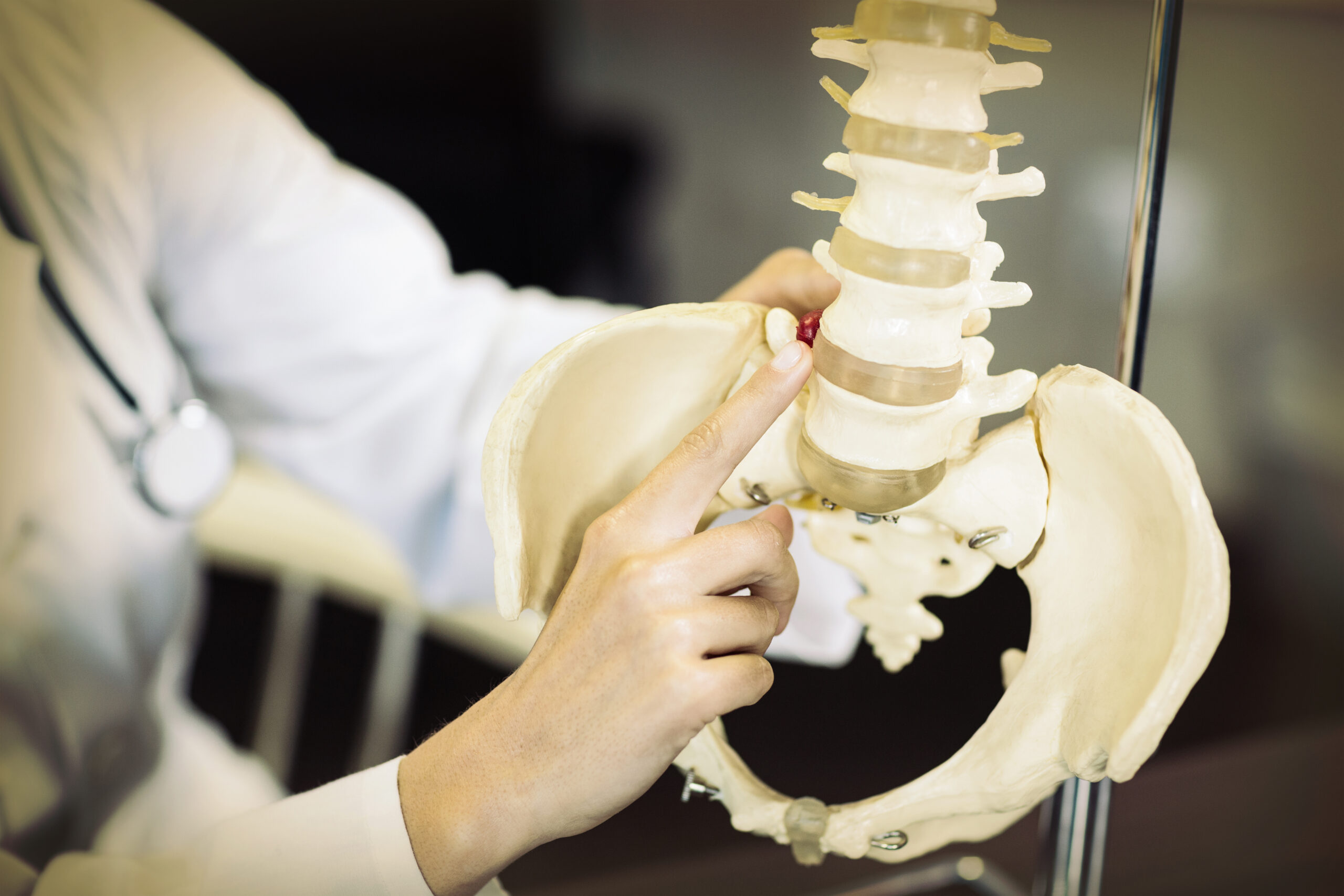
Introduction to Osteonecrosis and Chiropractic Care
Osteonecrosis, also known as avascular necrosis, is a condition that occurs when there is a loss of blood to the bone. This can lead to the bone tissue dying, causing pain and potentially leading to bone collapse. Chiropractic care has been explored as a potential method for managing symptoms and improving quality of life for patients with osteonecrosis. Many people find chiropractic care helpful in managing pain and improving mobility, but it's essential to discuss the potential benefits and risks with a qualified chiropractor.
Benefits of Chiropractic Care for Osteonecrosis
Chiropractic care may help alleviate pain and improve mobility in patients with osteonecrosis. Gentle spinal manipulation and other chiropractic techniques can help reduce pressure on the affected bone, promoting healing and reducing discomfort. Additionally, chiropractors can provide guidance on exercises and stretches to help maintain range of motion and prevent further injury. A chiropractor can work with patients to develop a personalized care plan that addresses their specific needs and promotes overall well-being.
Risks and Considerations of Chiropractic Care for Osteonecrosis
While chiropractic care can be beneficial for patients with osteonecrosis, there are potential risks and considerations to be aware of. Patients with osteonecrosis should consult with their primary care physician and a qualified chiropractor to discuss the potential benefits and risks of chiropractic care. It's crucial to ensure that the chiropractor has experience working with patients with osteonecrosis and can provide gentle, non-invasive techniques to avoid exacerbating the condition.
Chiropractic Techniques for Managing Osteonecrosis Symptoms
Chiropractors may use various techniques to help manage symptoms of osteonecrosis, including spinal manipulation, massage, and physical therapy. These techniques can help reduce pain, improve mobility, and promote healing. A chiropractor can also provide guidance on lifestyle modifications, such as exercise and nutrition, to help support overall health and well-being. By working with a qualified chiropractor, patients with osteonecrosis can develop a comprehensive care plan that addresses their unique needs.
Importance of Collaborative Care for Osteonecrosis
Collaborative care between chiropractors, primary care physicians, and other healthcare professionals is essential for patients with osteonecrosis. By working together, healthcare providers can ensure that patients receive comprehensive care that addresses their physical, emotional, and lifestyle needs. Chiropractors can provide specialized care to help manage symptoms, while primary care physicians can monitor overall health and provide medical treatment as needed. This collaborative approach can help patients with osteonecrosis achieve optimal outcomes and improve their quality of life.
Conclusion and Next Steps
In conclusion, chiropractic care may be a beneficial adjunctive therapy for patients with osteonecrosis. While there are potential risks and considerations, a qualified chiropractor can work with patients to develop a personalized care plan that promotes pain relief, mobility, and overall well-being. Patients with osteonecrosis should consult with their primary care physician and a qualified chiropractor to discuss the potential benefits and risks of chiropractic care. By taking a collaborative and comprehensive approach to care, patients with osteonecrosis can achieve optimal outcomes and improve their quality of life. A chiropractor can advise whether chiropractic care fits a patient's situation and help them make informed decisions about their care.