
Understanding Cumulative Trauma Disorders in Office Workers
Cumulative trauma disorders (CTDs) are a group of conditions caused by repeated physical stress on the body, often from repetitive motions or prolonged poor posture. Office workers, who spend hours at a computer, are particularly vulnerable. Common CTDs include carpal tunnel syndrome, tendonitis, and lower back pain. These issues arise from strain on muscles, tendons, and nerves due to improper ergonomics. While not always immediately debilitating, CTDs can worsen over time, leading to chronic discomfort and reduced mobility. The spine is especially at risk, as poor chair support and slouched positions compress spinal discs and nerves. Recognizing early signs—such as persistent aches or tingling—is crucial. Addressing these issues proactively through ergonomic adjustments and spinal care can prevent long-term damage. Chiropractors play a key role in identifying risk factors and recommending tailored solutions to mitigate strain.
Ergonomic Chair Adjustments: Key Principles
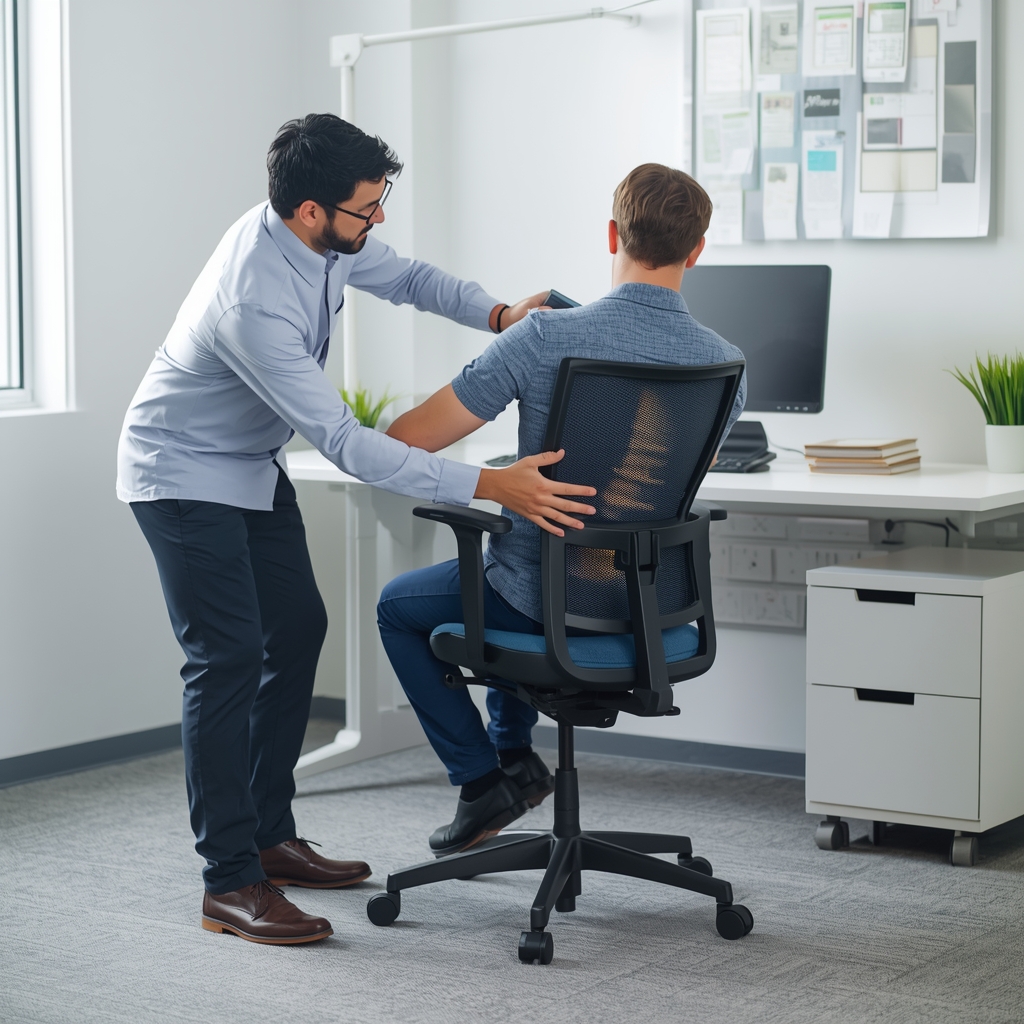
Proper chair setup is foundational to preventing CTDs in office environments. A well-adjusted chair supports the spine’s natural curves while promoting active sitting. The seat height should allow feet to rest flat on the floor, with knees at 90-degree angles. Lumbar support is critical; many chairs offer adjustable cushions to maintain the lower back’s inward curve. Armrests should align with the user’s elbows, reducing shoulder strain during typing. Seat depth is also important—there should be about 2-3 inches between the back of the knees and the chair’s edge to avoid pressure on blood vessels. Additionally, swivel chairs with smooth movement encourage natural posture shifts. While these adjustments are general guidelines, individual needs vary. A chiropractor can assess posture and recommend specific chair modifications or alternative seating options, such as standing desks or balance balls, to reduce static strain.
Spinal Decompression Techniques for Office Workers
Spinal decompression therapy is a non-invasive approach to relieving pressure on spinal discs and nerves, often used for conditions like herniated discs or sciatica. For office workers, this technique can counteract the effects of prolonged sitting, which compresses the spine and narrows disc spaces. Decompression involves gently stretching the spine using specialized equipment, creating negative pressure that may help reposition bulging discs and alleviate nerve compression. This therapy is typically part of a broader treatment plan, combining adjustments, exercises, and ergonomic changes. While not a standalone solution, it can reduce pain and improve mobility. Chiropractors may also use manual decompression techniques, such as spinal manipulation, to restore joint function. It’s important to note that decompression therapy is most effective when paired with ergonomic adjustments and regular movement. Office workers should discuss their specific needs with a chiropractor to determine if this approach aligns with their condition and lifestyle.
Integrating Ergonomics with Chiropractic Care
Combining ergonomic adjustments with chiropractic care offers a holistic strategy for preventing CTDs. Chiropractors evaluate how daily habits, such as sitting posture and computer use, impact spinal health. They may recommend ergonomic assessments of workspaces to identify risk factors, like inadequate monitor height or unsupported seating. Chiropractic adjustments can correct misalignments caused by poor posture, while ergonomic modifications address the root causes of strain. For example, a chiropractor might suggest a chair with dynamic support or a standing desk to reduce spinal compression. Regular check-ups allow for ongoing monitoring and adjustments to evolving needs. This collaborative approach not only alleviates current discomfort but also builds resilience against future issues. Office workers should view ergonomic and chiropractic interventions as complementary tools, fostering long-term spinal health and productivity.
Preventive Strategies Beyond Equipment Adjustments
In addition to ergonomic furniture, proactive habits are essential for preventing CTDs. Frequent movement breaks—every 30-60 minutes—help counteract the effects of prolonged sitting. Simple stretches, such as neck rolls or shoulder shrugs, can relieve tension in overworked muscles. Proper keyboard and mouse placement also matters; keeping these at elbow height reduces wrist and arm strain. Lighting and screen positioning are often overlooked but critical—poor visibility forces awkward postures. Chiropractors may teach patients corrective exercises to strengthen core and postural muscles, enhancing stability. Additionally, maintaining a healthy weight reduces stress on the spine and joints. Office workers should consider these strategies as part of a comprehensive wellness plan. By addressing both environmental and personal factors, they can significantly lower their risk of developing chronic conditions linked to sedentary work.
Conclusion: Empowering Office Workers with Knowledge
Preventing cumulative trauma disorders requires a multifaceted approach that prioritizes both ergonomic design and spinal health. Office workers can take proactive steps by adjusting their workspaces, incorporating movement into their routines, and seeking professional guidance. Chiropractors are invaluable partners in this process, offering personalized recommendations to address individual needs. While ergonomic chairs and decompression therapy are effective tools, their success depends on consistent application and lifestyle adjustments. Employers and employees alike should advocate for workplace wellness programs that include ergonomic assessments and access to chiropractic care. By fostering awareness and implementing preventive measures, office workers can reduce their risk of long-term injuries and maintain optimal physical function. Ultimately, a proactive stance on spinal health empowers individuals to thrive in their professional environments without compromising their well-being.













