
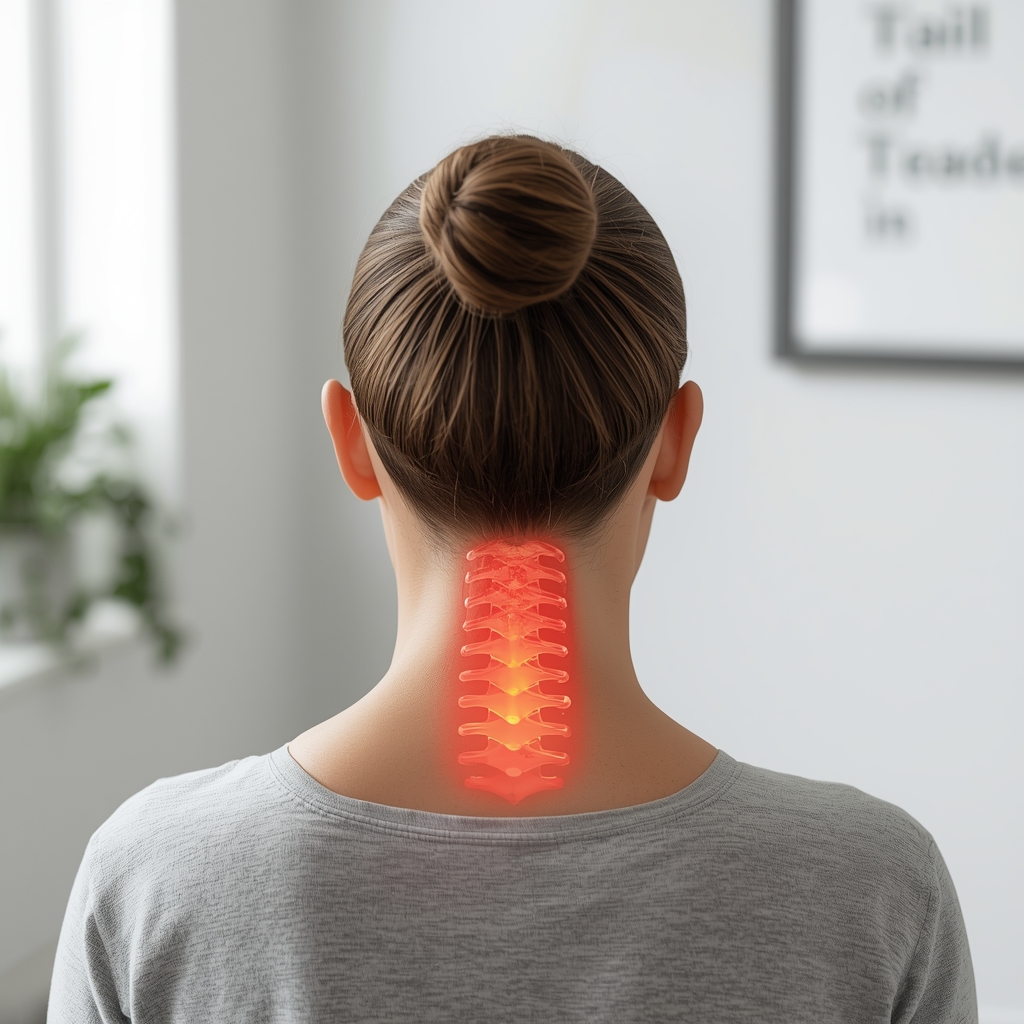
Understanding Cervical Myofascial Pain and Trigger Point Therapy
Cervical myofascial pain arises from tight, tender knots in the neck muscles, often causing localized or radiating discomfort. Trigger point therapy targets these knots to relieve pain and restore function. This approach focuses on identifying and deactivating trigger points—hyperirritable spots in muscle tissue—through manual pressure, needling, or other techniques. While not a standalone solution, it complements broader musculoskeletal care. Patients often report reduced stiffness and improved mobility after sessions. However, results vary, and treatment should be guided by a qualified chiropractor to ensure safety and effectiveness.
Ischemic Compression: A Core Technique
Ischemic compression involves applying sustained pressure to a trigger point to reduce pain and improve blood flow. This method helps break the cycle of muscle tension by temporarily restricting blood supply, followed by increased circulation as pressure is released. For cervical myofascial pain, it can alleviate tightness in the trapezius or levator scapulae muscles. Practitioners use fingers, elbows, or tools to apply pressure, adjusting intensity based on patient feedback. While effective, it may cause temporary discomfort. Combining this with stretching often enhances outcomes. Always consult a chiropractor to determine if this technique suits your specific condition.
Active Release Technique (ART) for Muscle Relief
Active Release Technique (ART) is a soft tissue therapy that addresses muscle tightness and adhesions. It involves the practitioner applying pressure while the patient actively moves the affected area, releasing restrictions in muscles, tendons, and ligaments. For cervical myofascial pain, ART can target overused muscles like the sternocleidomastoid or scalenes. This method promotes healing by improving flexibility and reducing pain. It is particularly useful for chronic or recurring issues. However, it requires specialized training, so seek a chiropractor certified in ART. Results often build over multiple sessions, with gradual improvement in range of motion and comfort.
Soft Tissue Mobilization and Myofascial Release
Soft tissue mobilization (STM) and myofascial release focus on stretching and manipulating muscle fibers to ease tension. These techniques use hands-on pressure, massage, or tools to break up adhesions and restore normal muscle function. For cervical pain, they can relieve tightness in the neck and upper back. Myofascial release often involves sustained pressure on the fascia, the connective tissue surrounding muscles. Patients may feel a deep ache during treatment, which typically subsides as muscles relax. Consistency is key, as multiple sessions are often needed. A chiropractor can tailor the approach to your needs, ensuring safe and effective care.
Combining Trigger Point Therapy with Lifestyle Adjustments
Trigger point therapy works best when paired with lifestyle changes. Posture correction, ergonomic adjustments, and regular stretching can prevent trigger points from recurring. For example, reducing forward head posture—common in desk workers—lessens strain on neck muscles. Strengthening exercises for the upper back and core also support long-term relief. Patients are encouraged to maintain open communication with their chiropractor about daily activities that may exacerbate pain. While therapy addresses existing issues, proactive habits are essential for sustained improvement. Always discuss personalized strategies with a healthcare provider.
When to Seek Professional Guidance
While self-care techniques like heat or gentle stretching may offer temporary relief, persistent cervical myofascial pain requires professional evaluation. A chiropractor can identify underlying causes and recommend targeted therapies. They may combine trigger point therapy with other modalities, such as spinal adjustments or electrical stimulation, for comprehensive care. It is crucial to avoid unqualified practitioners, as improper techniques could worsen symptoms. Regular follow-ups ensure progress is monitored and adjustments are made as needed. Remember, each person’s experience with myofascial pain is unique, so individualized care is vital for optimal outcomes.













