
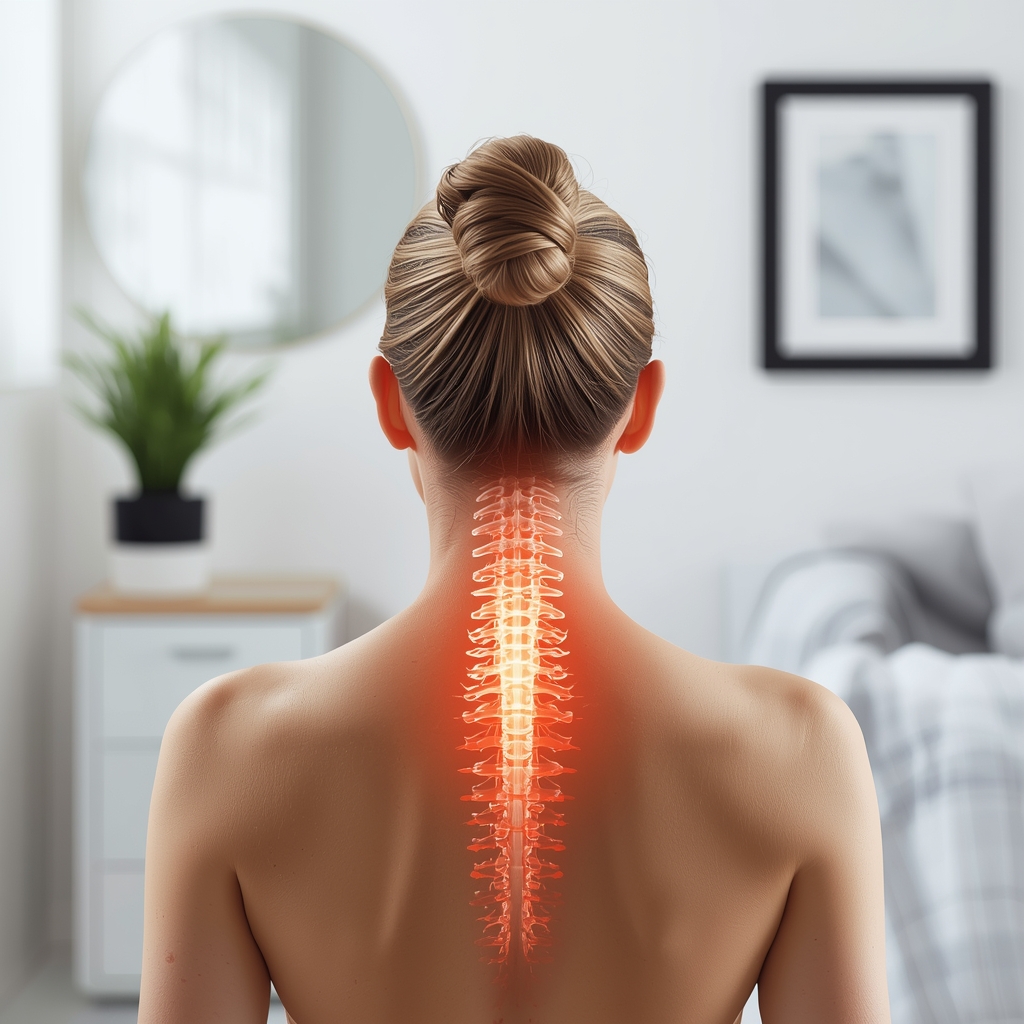
Understanding the Scalene Muscles and Myofascial Pain
The scalene muscles, located on either side of the neck, play a critical role in head and neck movement, as well as supporting respiratory function. Chronic myofascial pain in these muscles often manifests as referred pain to the head, shoulder, or arm, and can limit cervical mobility. Trigger points—hyperirritable knots within muscle tissue—commonly form in the scalenes due to poor posture, repetitive strain, or trauma. These points contribute to localized tenderness and radiating discomfort, making them a target for therapeutic intervention. Understanding their anatomy and function is essential for addressing pain effectively. While general movement and posture adjustments may help, specialized techniques are often required to release these stubborn trigger points and restore normal function.
Manual Pressure and Ischemic Compression Techniques
Manual pressure techniques, such as ischemic compression, involve applying sustained pressure to trigger points to reduce pain and improve blood flow. For the scalene muscles, a chiropractor or therapist may use their fingers, elbows, or specialized tools to target tight areas. This method helps break up adhesions and relax the muscle fibers, alleviating referred pain. Studies suggest that consistent application can decrease sensitivity in trigger points over time. However, results vary based on the individual’s condition and the practitioner’s skill. Patients often report reduced discomfort and increased range of motion after sessions. While effective, these techniques should be performed by a trained professional to avoid injury. Combining manual pressure with other therapies may enhance outcomes for chronic cases.
Dry Needling and Acupuncture for Trigger Point Release
Dry needling and acupuncture are minimally invasive techniques that target trigger points by inserting fine needles into the affected muscle tissue. These methods stimulate the body’s natural healing processes, reducing inflammation and restoring muscle function. For the scalene muscles, practitioners may use either technique to deactivate trigger points and relieve referred pain. Research indicates that both approaches can effectively reduce myofascial pain, though individual responses may vary. Dry needling focuses specifically on neuromuscular dysfunction, while acupuncture addresses broader energetic imbalances. Patients often experience immediate relief, though multiple sessions may be needed for lasting results. These therapies are typically part of a broader treatment plan and should be discussed with a qualified provider to ensure safety and appropriateness.
Instrument-Assisted Soft Tissue Mobilization
Instrument-assisted soft tissue mobilization (IASTM) uses specialized tools to detect and treat adhesions in the scalene muscles. By gliding these tools over the skin, therapists can identify areas of tightness and apply precise pressure to release trigger points. This technique promotes blood flow, reduces inflammation, and enhances tissue flexibility. IASTM is particularly useful for chronic cases where manual pressure alone may not suffice. It can also break down scar tissue and improve overall muscle function. While generally safe, it may cause temporary soreness. Patients often notice improved cervical mobility after sessions, though consistency is key. IASTM is typically combined with other therapies for optimal results. As with all treatments, it should be administered by a trained professional to avoid complications.
Combining Techniques for Optimal Cervical Mobility
Addressing chronic scalene myofascial pain often requires a multifaceted approach. Combining manual pressure, dry needling, and IASTM can target trigger points from multiple angles, enhancing their effectiveness. For example, ischemic compression may be used first to prepare the muscle, followed by dry needling to deactivate the trigger point, and IASTM to restore tissue mobility. This integrated strategy can lead to greater improvements in cervical range of motion and pain reduction. Additionally, incorporating stretching and postural retraining may prevent recurrence. Patients should work closely with their chiropractor to develop a personalized plan. While these techniques show promise, their success depends on proper execution and individualized care. Open communication with a healthcare provider ensures the safest and most effective treatment path.
When to Seek Professional Guidance
Chronic scalene myofascial pain can significantly impact daily life, making it crucial to consult a qualified chiropractor or physical therapist. These professionals can accurately diagnose trigger points and recommend appropriate therapies. Self-treatment risks aggravating the condition or causing unintended injury. A practitioner will assess the patient’s specific needs, considering factors like pain severity and lifestyle. They may also identify underlying issues, such as poor posture or spinal misalignment, contributing to the problem. Regular sessions, combined with at-home care, often yield the best outcomes. Patients should communicate openly about their symptoms and progress to refine the treatment plan. By working with an expert, individuals can safely address their pain and regain mobility, improving overall quality of life.















