
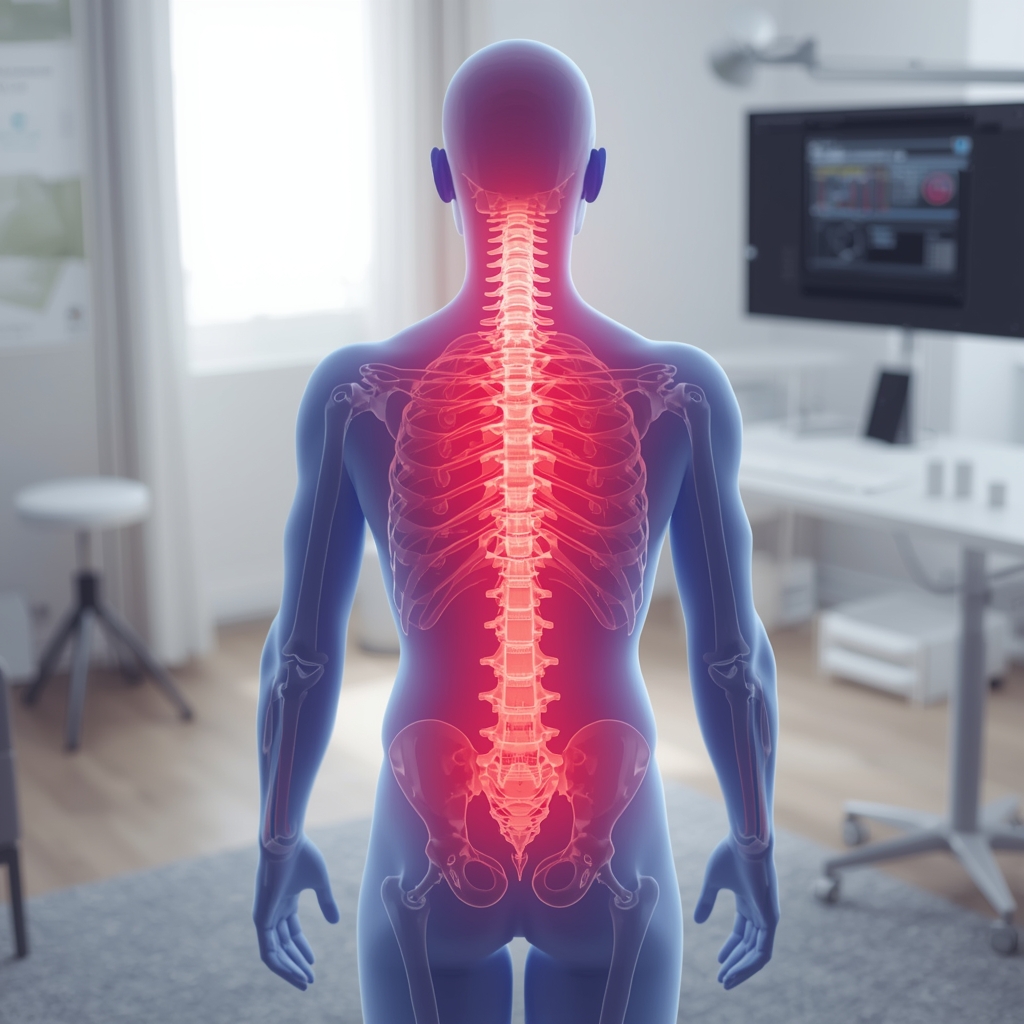
Understanding Cold Laser Therapy and Central Sensitization
Cold laser therapy, or low-level laser therapy (LLLT), uses specific wavelengths of light to stimulate cellular function and reduce inflammation. In fibromyalgia, central sensitization—a heightened sensitivity of the nervous system—contributes to widespread pain and fatigue. While research on LLLT for this condition is evolving, some studies suggest it may help modulate nerve activity and alleviate symptoms. However, protocols vary, and no single approach is universally accepted. Patients should consult a chiropractor to explore how LLLT might complement their treatment plan, as individual responses can differ.
Key Protocols for Targeting Central Sensitization
Effective cold laser protocols for central sensitization often focus on specific parameters, such as wavelength (typically 630–904 nm), power output, and treatment duration. Sessions may range from 10 to 30 minutes, with frequencies tailored to the patient’s needs. Some practitioners prioritize localized application to tender points, while others use broader areas to address systemic nerve hypersensitivity. Combining LLLT with other modalities, like soft tissue therapy or guided movement, may enhance outcomes. Always discuss these options with a qualified provider to ensure safety and alignment with your care goals.
Integrating Cold Laser Therapy with Other Treatments
Fibromyalgia management often requires a multi-modal approach. Cold laser therapy may be used alongside trigger point therapy, physical therapy, or medications to address pain and improve function. For example, LLLT’s anti-inflammatory effects could complement manual techniques that release muscle tension. Patients should work with their chiropractor to create a cohesive strategy, as combining therapies may reduce reliance on pain medications. However, it’s crucial to avoid self-prescribing protocols, as improper use of lasers could worsen symptoms or delay effective care.
Factors Influencing Treatment Success
Individual responses to cold laser therapy vary, influenced by factors like pain severity, overall health, and treatment consistency. Some patients report gradual improvement in sleep and energy levels, while others may need multiple sessions before noticing changes. Frequency and duration of treatments are typically adjusted based on progress. It’s important to communicate openly with your chiropractor about your experience to refine the protocol. While LLLT shows promise, it’s not a standalone solution and should be part of a broader, personalized care plan.
Evidence and Research Limitations
Current research on cold laser therapy for fibromyalgia is limited, with mixed results across studies. While some trials suggest benefits for pain reduction and sleep quality, others highlight the need for larger, controlled trials. The lack of standardized protocols complicates comparisons between studies. Patients should approach LLLT with realistic expectations, understanding that it may not work for everyone. Always rely on a chiropractor’s guidance to navigate the evolving evidence and make informed decisions about your care.
Conclusion: A Complementary Approach to Fibromyalgia Care
Cold laser therapy offers a non-invasive option for managing fibromyalgia symptoms, particularly those linked to central sensitization. While no universal protocol exists, many patients find it beneficial when integrated into a comprehensive treatment plan. Success depends on personalized approaches, professional oversight, and ongoing communication with your chiropractor. As research advances, LLLT may become a more widely accepted tool for addressing chronic pain. For now, it remains a promising adjunct to traditional therapies, requiring careful consideration and expert guidance.














