
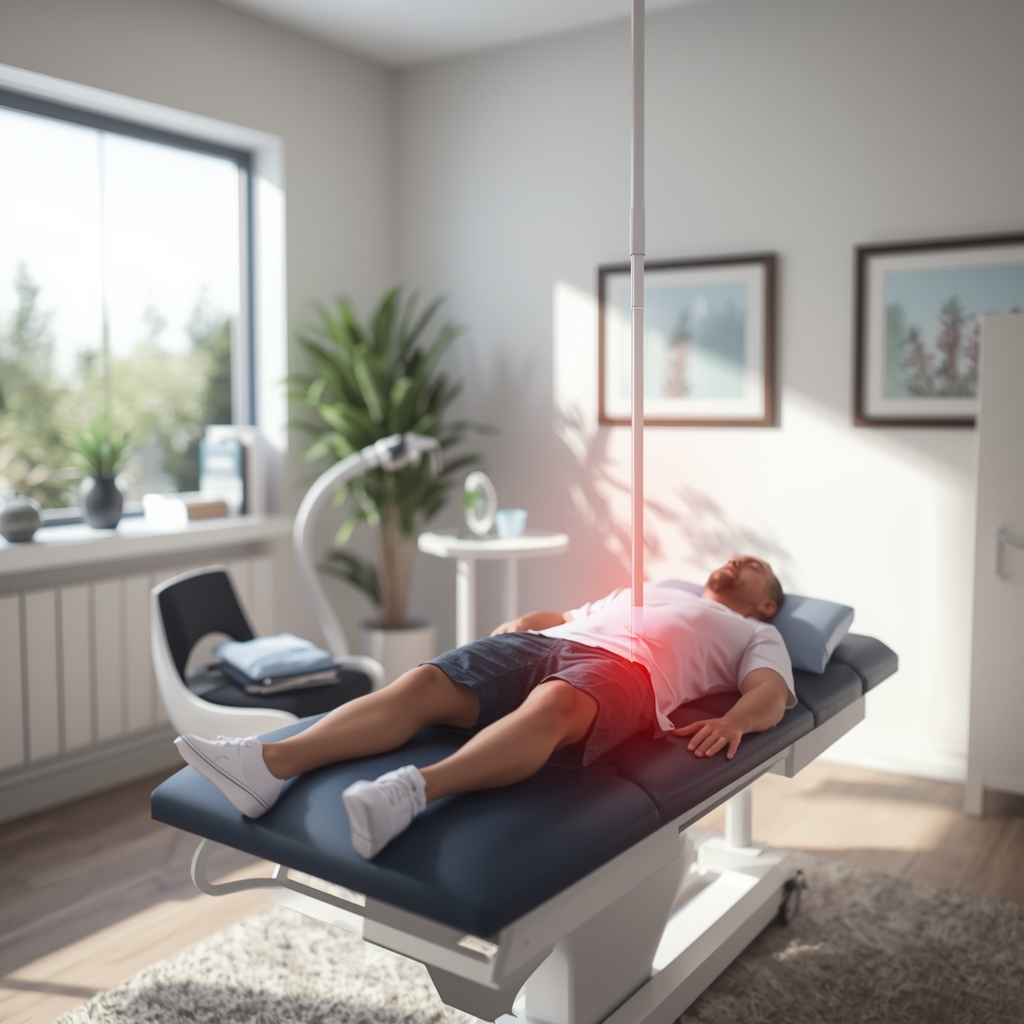
Understanding Cold Laser Therapy and Its Role in Inflammation Reduction
Cold laser therapy, also known as low-level laser therapy (LLLT), uses specific wavelengths of light to stimulate cellular function and reduce inflammation. This non-invasive approach is increasingly explored for musculoskeletal conditions, including facet joint arthritis, where inflammation contributes to pain and reduced mobility. The therapy works by enhancing mitochondrial activity, which can promote tissue repair and modulate inflammatory responses. While research is ongoing, many practitioners report positive outcomes when integrating cold laser therapy into treatment plans for joint-related issues. Its ability to target inflammation without medication makes it an attractive option for patients seeking complementary care. However, it is essential to approach such therapies with a critical eye, relying on professional guidance to ensure safety and efficacy.
Clinical Evidence Supporting Cold Laser Therapy for Joint Inflammation
Although specific studies on cold laser therapy for facet joint arthritis are limited, broader research on low-level laser therapy for inflammatory conditions provides a foundation for its application. Studies on conditions like osteoarthritis and rheumatoid arthritis suggest that LLLT may reduce pain and swelling by influencing cytokine production and oxidative stress. For example, some trials indicate that laser therapy can decrease pro-inflammatory markers while promoting anti-inflammatory responses. These findings align with the theory that cold laser therapy may help manage inflammation in facet joints. However, the evidence remains mixed, with variability in study designs and outcomes. Patients considering this modality should discuss its potential benefits and limitations with a qualified chiropractor to determine if it aligns with their treatment goals.
How Cold Laser Therapy Complements Spinal Adjustments
Spinal adjustments aim to restore proper alignment and function to the spine, which can alleviate pressure on nerves and joints. Cold laser therapy complements these adjustments by addressing underlying inflammation that may hinder recovery. By reducing swelling in facet joints, laser therapy can enhance the effectiveness of adjustments, allowing for greater mobility and pain relief. This combination may also shorten the overall treatment duration, as addressing inflammation holistically can support the body’s natural healing processes. Additionally, cold laser therapy’s non-invasive nature makes it a suitable adjunct for patients who may be sensitive to manual interventions. While the exact mechanisms of synergy between these therapies are still being studied, many chiropractors find that integrating both approaches leads to more comprehensive care for patients with chronic joint issues.
Integrating Cold Laser Therapy into Comprehensive Treatment Plans
Chiropractors often use cold laser therapy as part of a multifaceted approach to managing facet joint arthritis. This may include spinal adjustments, physical therapy, and lifestyle modifications. The therapy’s ability to target inflammation without medication makes it a valuable tool for patients seeking to minimize reliance on pharmaceuticals. When incorporated into a treatment plan, cold laser therapy can help reduce pain and improve function, enabling patients to engage more effectively in other therapeutic activities. However, the success of this integration depends on a personalized approach, as each patient’s condition and response to treatment vary. A qualified chiropractor can assess individual needs and determine the optimal frequency and duration of laser therapy sessions. This tailored strategy ensures that patients receive the most effective care while avoiding unnecessary interventions.
Safety Considerations and Patient Guidelines
Cold laser therapy is generally considered safe when administered by trained professionals. However, patients should be aware of potential risks, such as skin irritation or temporary discomfort at the treatment site. It is crucial to avoid using the therapy on areas with known malignancies, pregnant abdomens, or over the eyes. Additionally, individuals with photosensitive conditions should consult their healthcare provider before undergoing treatment. While cold laser therapy is non-invasive, it is not a substitute for comprehensive medical care. Patients should discuss their full medical history with a chiropractor to ensure the therapy is appropriate for their specific condition. Regular communication with healthcare providers helps monitor progress and adjust treatment plans as needed, ensuring a safe and effective experience.
Future Research and Emerging Applications
As interest in cold laser therapy grows, researchers are exploring its potential for a wider range of musculoskeletal conditions. While current evidence for its use in facet joint arthritis is preliminary, ongoing studies may provide more definitive insights into its efficacy. Advances in laser technology and treatment protocols could further refine its application, making it more precise and accessible. Additionally, future research may clarify how cold laser therapy interacts with other treatments, such as spinal adjustments, to optimize patient outcomes. For now, patients and practitioners alike should remain informed about developments in this field while prioritizing evidence-based approaches. By staying engaged with emerging research, the chiropractic community can continue to offer innovative, patient-centered care that addresses evolving healthcare needs.












