
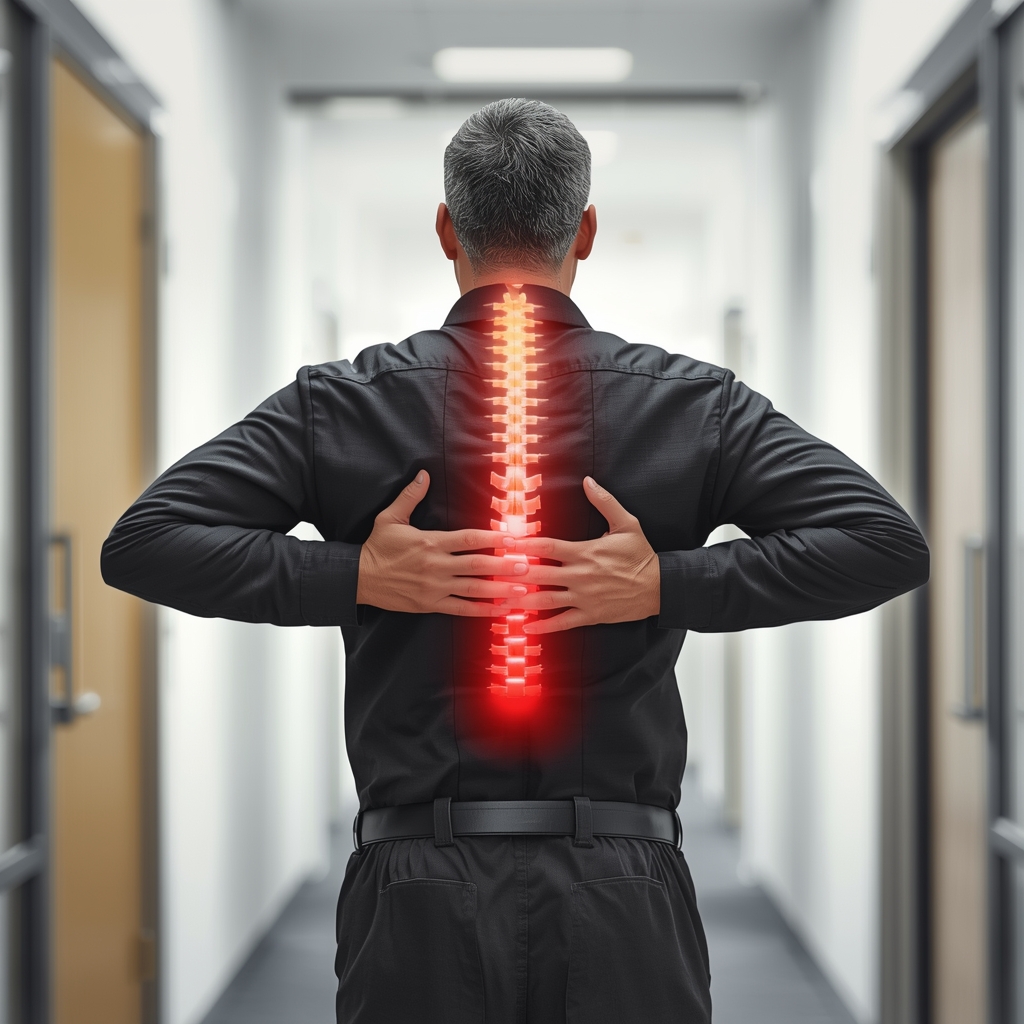
What Unique Challenges Do Military Personnel Face Post-Deployment, and How Can Chiropractic Care Address Chronic Pain and Mobility Issues?
## Unique Challenges Faced by Military Personnel Post-Deployment
Military service often involves exposure to physically demanding environments, repetitive motions, and traumatic events that can lead to long-term health issues. Post-deployment, veterans frequently experience chronic pain from injuries sustained during duty, such as musculoskeletal strain, spinal trauma, or joint damage. Additionally, the psychological toll of combat can manifest as physical symptoms, including tension-related pain or reduced mobility. Environmental factors like extreme weather, heavy gear, and prolonged physical exertion further contribute to wear and tear on the body. These challenges highlight the need for specialized care to address both the physical and emotional aftermath of service.
## How Chiropractic Care Supports Recovery
Chiropractic care offers a non-invasive, holistic approach to managing post-deployment pain and mobility issues. By focusing on the musculoskeletal and nervous systems, chiropractors aim to restore function, reduce pain, and improve overall well-being. Spinal adjustments, soft tissue therapies, and rehabilitative exercises can alleviate pressure on nerves, enhance joint mobility, and promote natural healing. Many veterans report improved quality of life through regular chiropractic sessions, which complement traditional medical treatments. This approach aligns with the growing emphasis on patient-centered, drug-free solutions for chronic conditions.
## Addressing Chronic Pain Through Targeted Techniques
Chiropractors employ a range of techniques to address the specific needs of military personnel. Spinal manipulation helps realign the spine, reducing pain caused by misalignments or injuries. Soft tissue therapies, such as Active Release Technique (ART), target muscle knots and scar tissue from repetitive strain or trauma. Decompression therapy may also be used to ease pressure on spinal discs, benefiting those with herniated discs or nerve compression. These methods are often tailored to the individual, ensuring care matches the unique demands of a veteran’s physical history and current symptoms.
## Enhancing Mobility and Preventing Further Complications
Mobility issues are common among veterans due to injuries, arthritis, or compensatory movement patterns developed during recovery. Chiropractic care focuses on restoring range of motion and preventing secondary complications, such as muscle atrophy or joint stiffness. By improving posture, balance, and biomechanics, chiropractors help reduce the risk of future injuries. Customized exercise programs and ergonomic advice further support long-term mobility, enabling veterans to maintain independence and engage in daily activities with greater ease.
## The Role of Chiropractic in Mental and Physical Well-Being
Chronic pain and mobility limitations can significantly impact mental health, contributing to stress, anxiety, or depression. Chiropractic care addresses both physical and emotional aspects of recovery by reducing pain and promoting a sense of control over one’s health. The holistic nature of chiropractic treatment encourages patients to take an active role in their well-being, fostering resilience. Many veterans find that regular adjustments, combined with lifestyle guidance, create a balanced approach to managing post-deployment challenges.
## Seeking Specialized Care for Veterans
Veterans seeking chiropractic care should look for practitioners experienced in treating military-related injuries and conditions. Open communication with healthcare providers ensures a coordinated approach to recovery, integrating chiropractic services with other treatments. While chiropractic care is not a substitute for medical advice, it can offer valuable support for managing chronic pain and improving mobility. Exploring these options with a qualified professional allows veterans to make informed decisions about their health and well-being.














