
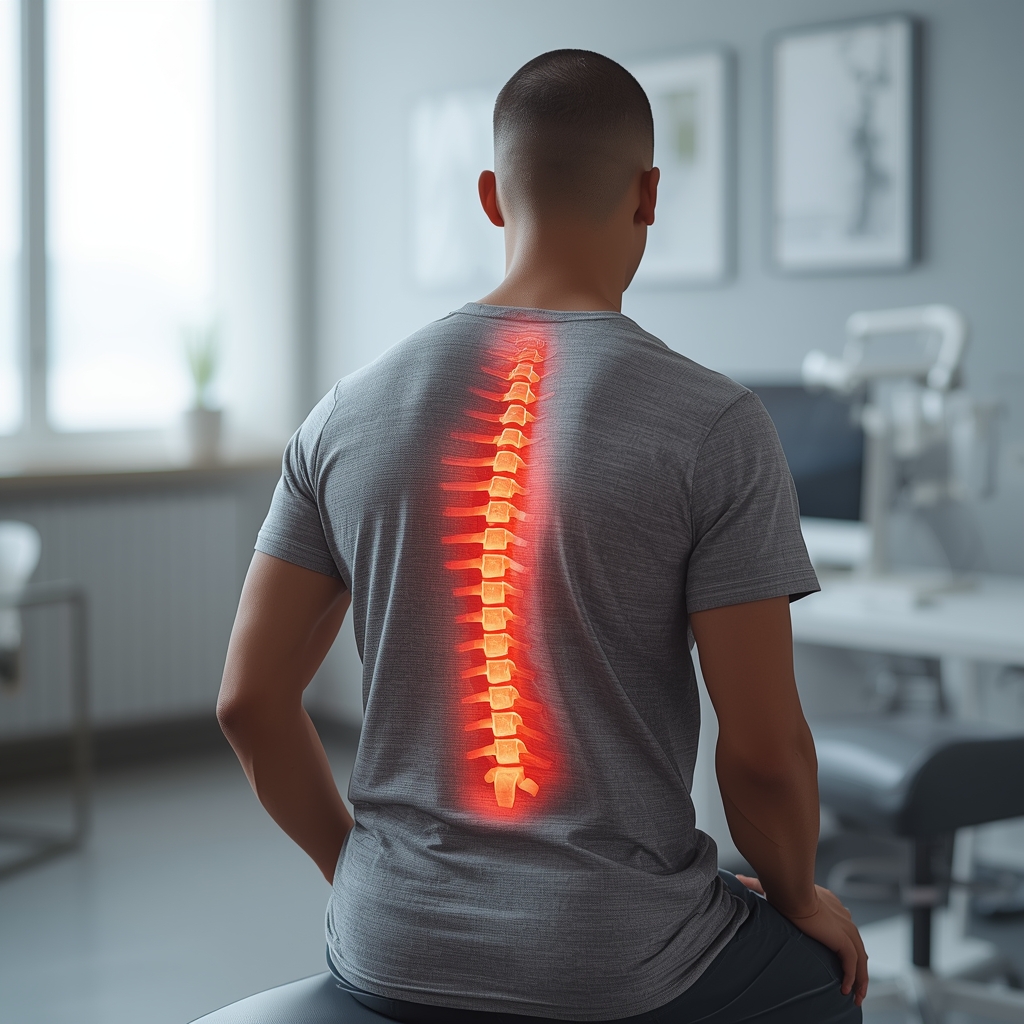
Understanding the Unique Challenges Military Veterans Face with Spinal Injuries
Military service often involves exposure to high-impact environments, repetitive physical strain, and traumatic events that can lead to spinal injuries. Veterans may experience conditions like herniated discs, spinal fractures, or chronic pain from combat-related trauma or prolonged physical demands. Additionally, the psychological toll of service, such as post-traumatic stress disorder (PTSD), can exacerbate physical symptoms by affecting posture, muscle tension, and overall recovery. These challenges often require specialized care, as traditional treatments may not fully address the complex interplay of physical and mental health factors unique to veterans.
How Chiropractic Care Addresses Spinal Injuries in Veterans
Chiropractic care focuses on non-invasive, drug-free approaches to spinal health, making it a valuable option for veterans seeking alternatives to surgery or long-term medication. Spinal adjustments, soft tissue therapy, and rehabilitative exercises can help alleviate pain, improve mobility, and restore function. For veterans with postural imbalances or musculoskeletal strain from gear or training, chiropractors can tailor treatments to address specific needs. By focusing on the body’s natural ability to heal, chiropractic care supports holistic recovery while minimizing reliance on opioids or other interventions that may carry risks.
Specialized Techniques for Military-Related Spinal Conditions
Chiropractors working with veterans often use techniques like spinal manipulation, Active Release Technique (ART), and decompression therapy to target injuries sustained during service. These methods can reduce nerve compression, enhance blood flow, and promote tissue repair. For example, decompression therapy may ease pressure on herniated discs, while ART can address scar tissue from past injuries. Veterans with chronic pain or mobility issues may benefit from personalized treatment plans that combine multiple approaches, ensuring comprehensive care that aligns with their unique physical and emotional needs.
The Role of Chiropractic in Long-Term Recovery and Quality of Life
Spinal injuries can have lasting effects on a veteran’s daily life, including reduced mobility, chronic pain, and decreased independence. Chiropractic care emphasizes long-term management through regular adjustments and lifestyle guidance, helping veterans maintain spinal health over time. By addressing underlying issues rather than just symptoms, chiropractors can reduce the risk of recurring injuries and improve overall well-being. This proactive approach empowers veterans to regain control of their health, fostering resilience and enhancing their ability to engage in work, family, and community activities.
Collaborating with Healthcare Providers for Comprehensive Care
Effective spinal injury management for veterans often requires a multidisciplinary approach. Chiropractors may collaborate with primary care physicians, physical therapists, and mental health professionals to create integrated care plans. This teamwork ensures that both physical and psychological factors are addressed, such as pain management alongside PTSD-related stress. Veterans should communicate openly with their healthcare providers to explore how chiropractic care can complement existing treatments, avoiding potential conflicts and maximizing outcomes. Such collaboration is essential for achieving the best possible recovery and long-term health.
Encouraging Veterans to Explore Chiropractic Options
Many veterans may be unaware of the benefits chiropractic care offers for spinal injuries. Educating them about non-invasive, personalized treatment options can empower informed decisions about their health. Chiropractors with experience in military populations are better equipped to understand the unique challenges veterans face, from combat-related injuries to service-connected disabilities. Veterans interested in chiropractic care should seek providers who specialize in military health needs and discuss their goals with a qualified professional. This proactive step can lead to improved mobility, pain relief, and a higher quality of life.













