
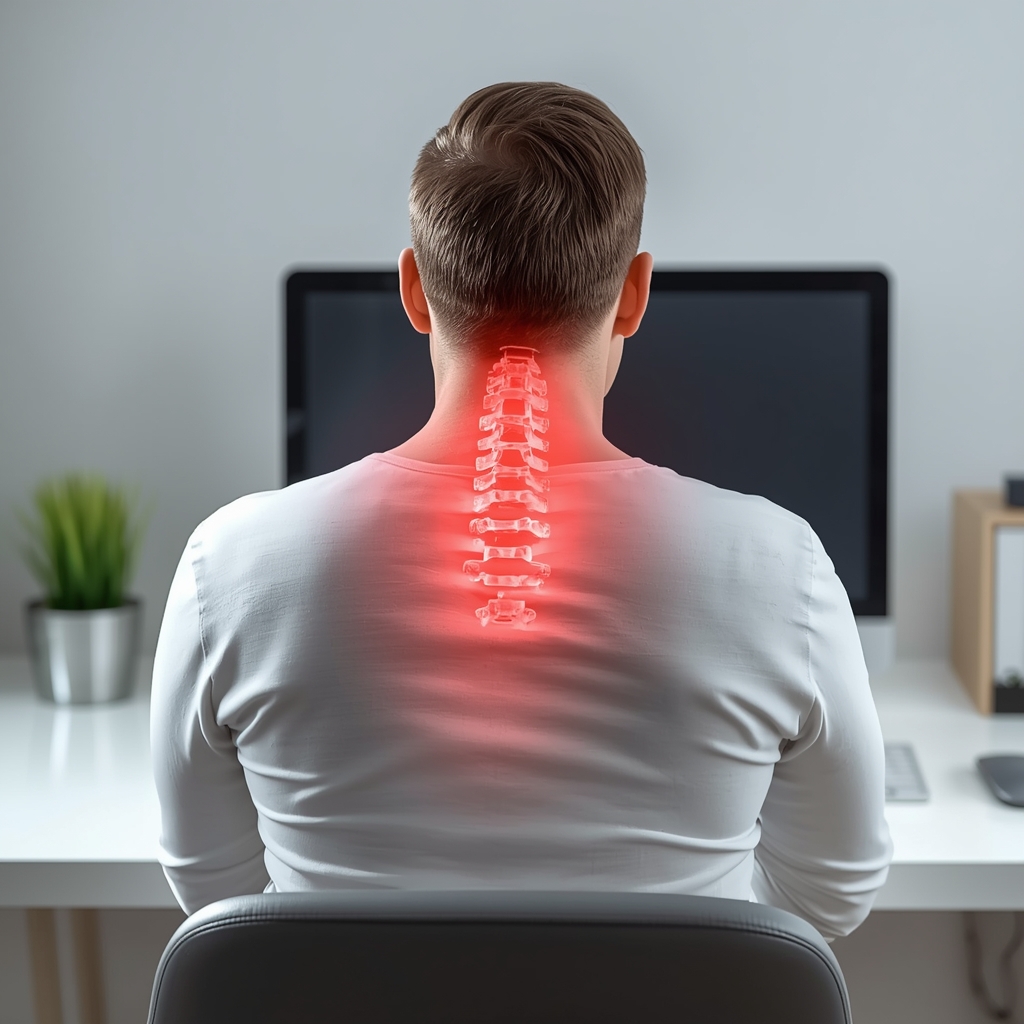
Understanding Upper Trapezius Pain in Chronic Computer Users
Chronic computer use often leads to persistent upper trapezius pain, a common issue among desk workers and remote employees. This muscle, located between the neck and upper back, becomes overworked due to poor posture, repetitive movements, and prolonged static positions. Over time, this can create trigger points—tender knots that refer pain to other areas, such as the shoulders or head. The resulting discomfort may contribute to headaches, limited range of motion, and overall fatigue. Addressing this issue requires targeted interventions, as general stretching or massage may not sufficiently relieve localized tension. Understanding the role of trigger point therapy in this context is essential for developing effective, patient-centered care plans.
What Is Trigger Point Therapy?
Trigger point therapy involves applying pressure or other techniques to specific areas of muscle tension to alleviate pain and restore function. These trigger points, or myofascial knots, can develop from muscle overuse, injury, or poor biomechanics. In the case of the upper trapezius, therapy aims to release these knots, improve blood flow, and reduce referred pain. Techniques may include ischemic compression, dry needling, or instrument-assisted soft tissue mobilization. The goal is to break the cycle of pain and dysfunction by targeting the root cause rather than just the symptoms. This approach is often used alongside other therapies, such as posture correction or ergonomic adjustments, to achieve lasting relief. For patients with chronic computer-related pain, trigger point therapy offers a non-invasive option to manage discomfort and improve daily functioning.
Key Protocols for Upper Trapezius Trigger Points
Several protocols are commonly used to address upper trapezius trigger points. Ischemic compression, where sustained pressure is applied to the knot, is a foundational technique. This can help reduce muscle spasm and promote relaxation. Dry needling, involving thin needles inserted into the trigger point, is another method that may stimulate healing and reduce inflammation. Instrument-assisted soft tissue mobilization (IASTM) uses specialized tools to break up adhesions and restore mobility. Additionally, neuromuscular re-education techniques, such as stretching and strengthening exercises, can prevent recurrence. The choice of protocol depends on the patient’s tolerance, the severity of the condition, and the practitioner’s expertise. Combining these methods often yields better outcomes than relying on a single approach, as they address both immediate pain and underlying muscle imbalances.
Combining Trigger Point Therapy With Postural Correction
Effective treatment of upper trapezius pain requires more than just addressing the muscle itself—it also involves correcting the postural habits that contribute to the issue. Chronic computer use often leads to forward head posture, rounded shoulders, and a hunched upper back, all of which strain the upper trapezius. A chiropractor may integrate trigger point therapy with postural re-education, such as ergonomic adjustments or corrective exercises. For example, strengthening the lower trapezius and scapular stabilizers can relieve overactivity in the upper trapezius. Patients may also benefit from stretches that lengthen tight muscles, like the chest or neck flexors. By addressing both the muscular and biomechanical factors, this combined approach can reduce pain and prevent future episodes. It emphasizes a holistic strategy that supports long-term musculoskeletal health.
Patient Considerations and Individualized Care
Each patient’s experience with upper trapezius pain is unique, requiring a tailored approach to trigger point therapy. Factors such as pain sensitivity, muscle history, and lifestyle habits influence the effectiveness of different protocols. For instance, a patient with a history of muscle injuries may need gentler techniques, while someone with severe tension may benefit from deeper pressure or dry needling. Open communication between the patient and chiropractor is essential to determine the most comfortable and effective methods. Additionally, patients should be aware that multiple sessions may be necessary to achieve lasting results. Consistency with home care, such as self-myofascial release or posture awareness, can enhance outcomes. Ultimately, individualized care ensures that the therapy aligns with the patient’s needs and goals, promoting both pain relief and functional improvement.
Conclusion: A Holistic Approach to Pain Relief
Upper trapezius pain from chronic computer use is a multifaceted issue that demands a comprehensive treatment plan. Trigger point therapy offers valuable tools to address localized muscle tension, but its success depends on integrating other strategies like postural correction and ergonomic adjustments. By combining manual techniques with patient education and lifestyle modifications, chiropractors can help individuals manage pain more effectively. It is important for patients to work closely with a qualified provider to determine the best course of action for their specific condition. With the right approach, many can experience significant relief and improved quality of life. This holistic perspective underscores the importance of personalized care in achieving long-term musculoskeletal health.













