
Understanding IT Band Syndrome in Cyclists
Iliotibial band syndrome (ITBS) is a common overuse injury among cyclists, caused by friction between the iliotibial band and the femur during repetitive motion. The band, a thick fibrous tissue running from the hip to the knee, can become inflamed from repeated bending and straightening of the knee. Cyclists often experience pain on the outer side of the knee or hip, which worsens with activity. Factors like improper bike fit, muscle imbalances, or overtraining contribute to recurrence. Addressing ITBS requires a multifaceted approach, combining targeted stretching, soft tissue work, and adjustments to alleviate pressure and restore mobility. A chiropractor can help identify underlying biomechanical issues and tailor a plan to reduce symptoms and prevent future flare-ups.
Key Stretching Routines for ITBS Relief
Stretching the iliotibial band and surrounding muscles is critical for managing ITBS. Dynamic stretches, such as leg swings and hip circles, improve flexibility and prepare the body for activity. Static stretches, like the standing ITB stretch or foam rolling, can reduce tension after cycling. Cyclists should focus on the tensor fasciae latae and gluteal muscles, as tightness in these areas often exacerbates ITBS. Consistent, gentle stretching helps maintain mobility and prevents the band from becoming overly taut. However, overstretching may worsen inflammation, so it’s important to balance intensity with rest. A chiropractor can guide cyclists in developing a safe, effective stretching routine aligned with their recovery goals.
Chiropractic Adjustments for ITBS Management
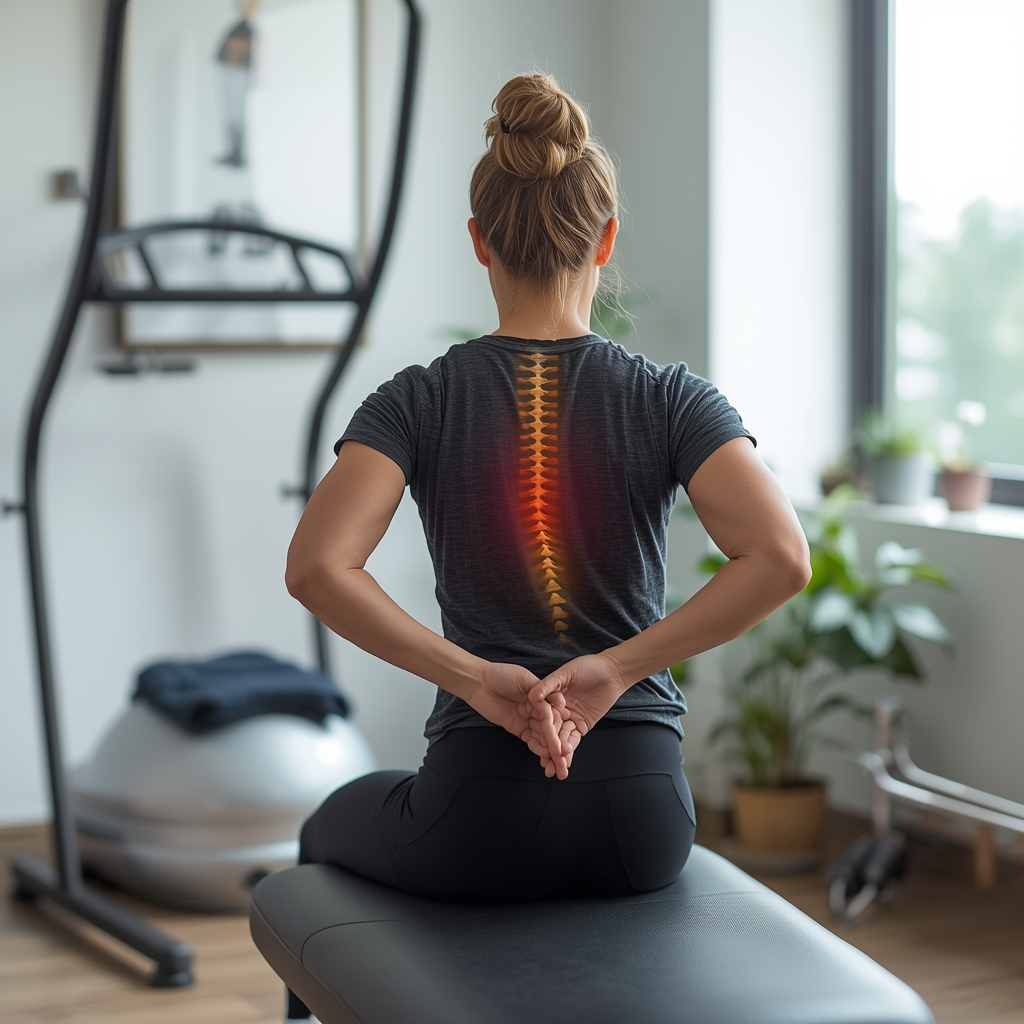
Spinal and pelvic adjustments can play a role in alleviating ITBS by addressing misalignments that contribute to biomechanical strain. A chiropractor may perform adjustments to the sacroiliac joint or lumbar spine to improve stability and reduce compensatory movements. These adjustments can enhance nerve function and muscle coordination, easing pressure on the iliotibial band. Additionally, soft tissue techniques like Active Release Technique (ART) or Graston may be used to break up adhesions and restore normal tissue function. By combining adjustments with targeted therapies, chiropractors help cyclists regain balance and reduce the risk of recurring pain. Regular sessions can support long-term recovery and optimize performance.
Combining Stretching and Adjustments for Optimal Results
A holistic approach that integrates stretching with chiropractic adjustments often yields the best outcomes for ITBS. Stretching routines address muscle tightness, while adjustments correct structural imbalances that may contribute to the condition. For example, a cyclist with a leg length discrepancy might benefit from both spinal adjustments and specific stretches to alleviate uneven stress on the IT band. Consistency is key, as sporadic efforts may not resolve underlying issues. Cyclists should work closely with a chiropractor to create a personalized protocol, ensuring that each component complements the other. This synergy can enhance recovery, prevent future episodes, and improve overall cycling efficiency.
Preventing Recurrence Through Routine Care
To prevent ITBS from recurring, cyclists should adopt proactive strategies beyond acute treatment. Regular stretching, strength training for the hips and core, and proper bike fit are foundational. Chiropractic care can also play a preventive role by monitoring spinal and joint alignment, addressing minor issues before they escalate. Soft tissue therapies, such as myofascial release, help maintain flexibility in the IT band and surrounding muscles. Additionally, cyclists should listen to their bodies and avoid pushing through pain, which can lead to chronic strain. By combining these practices, cyclists can reduce the likelihood of ITBS flare-ups and maintain long-term musculoskeletal health.
When to Seek Professional Guidance
If ITBS persists despite self-care efforts, consulting a chiropractor is essential. A professional can conduct a thorough assessment to identify contributing factors, such as muscle imbalances or biomechanical irregularities. They may recommend advanced therapies like dry needling or customized exercise programs tailored to the cyclist’s needs. It’s important to avoid relying solely on temporary fixes, such as anti-inflammatory medications, without addressing the root cause. A chiropractor can also provide education on proper cycling posture, footwear, and training techniques to minimize strain. By seeking timely, expert care, cyclists can achieve lasting relief and return to their sport with confidence.













