
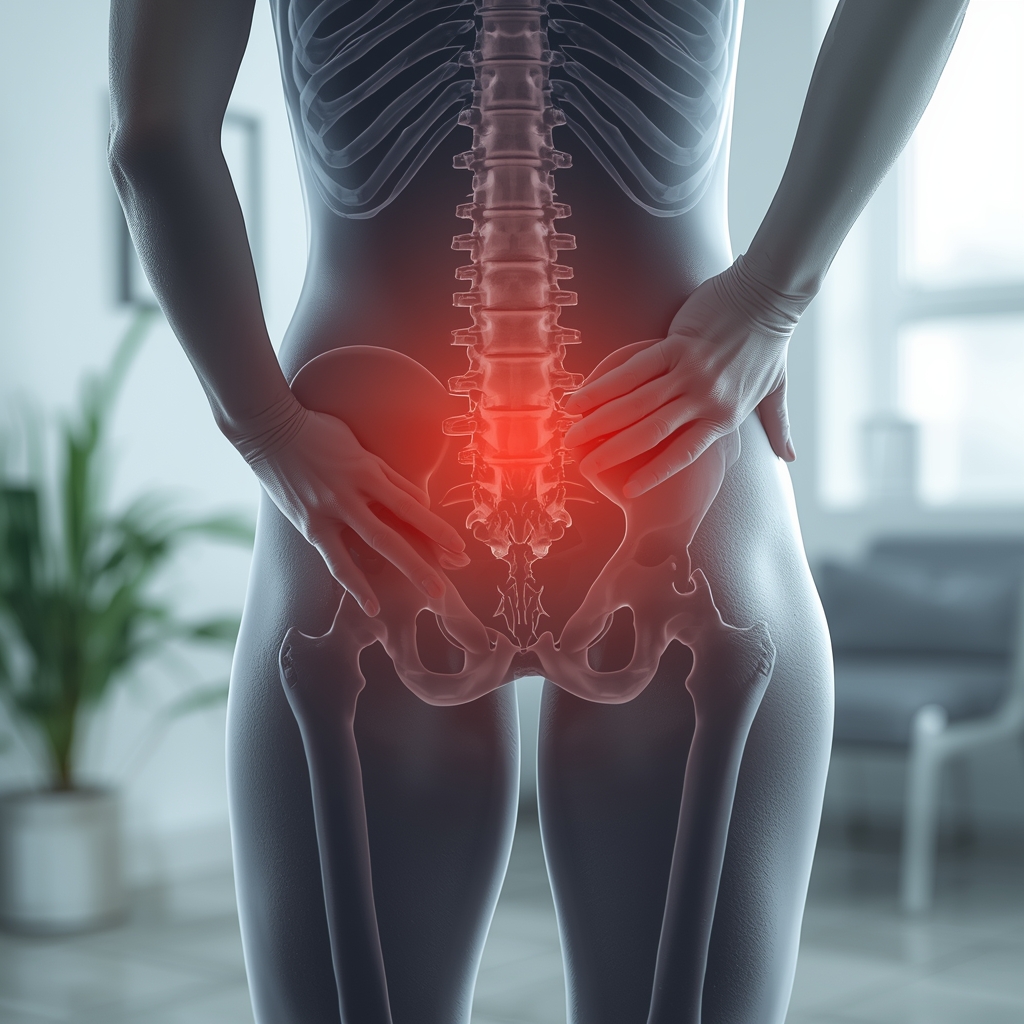
Understanding Labral Tears and Non-Surgical Chiropractic Care
Labral tears in the hip involve damage to the cartilage that lines the hip socket, often causing pain, stiffness, and reduced mobility. While surgical repair is an option for severe cases, many patients explore non-surgical approaches to manage symptoms and improve function. Chiropractic care focuses on musculoskeletal alignment, soft tissue health, and holistic support for the body’s natural healing processes. By addressing biomechanical imbalances and reducing stress on the hip joint, chiropractors may help alleviate discomfort and enhance recovery outcomes. It’s important to note that chiropractic care is not a substitute for medical evaluation but can complement traditional treatments when tailored to individual needs.
Spinal and Pelvic Adjustments for Hip Stability
Chiropractic adjustments aim to restore proper alignment of the spine and pelvis, which can indirectly support hip function. Misalignments in the lower back or sacroiliac joints may contribute to uneven stress on the hip joint, exacerbating labral tear symptoms. By gently realigning these areas, chiropractors may reduce pressure on surrounding nerves and muscles, promoting better movement patterns. Techniques such as diversified adjustments or activator methods are commonly used. While adjustments alone may not repair a labral tear, they can improve overall biomechanics, potentially easing pain and supporting the body’s ability to heal. Patients should discuss their specific condition with a licensed chiropractor to determine if adjustments are appropriate.
Soft Tissue Therapies to Alleviate Hip Strain
Soft tissue therapies like Active Release Technique (ART) or Graston Technique can target tight or damaged muscles and connective tissues around the hip. These methods help break down scar tissue, improve blood flow, and restore flexibility, which may reduce pain and enhance joint mobility. For labral tears, addressing surrounding muscle imbalances is crucial, as overcompensation by other muscles can worsen symptoms. Chiropractors may also use myofascial release or trigger point therapy to ease tension in the hip region. While these therapies do not directly repair the labrum, they can support the healing process by minimizing secondary strain and improving overall function. Patients should expect a personalized plan based on their unique needs and progress.
Rehabilitative Exercises for Hip Strength and Flexibility
Chiropractors often incorporate corrective exercises to strengthen the muscles supporting the hip joint, such as the glutes, core, and hip stabilizers. These exercises can improve joint stability, reduce pain, and prevent further injury. Low-impact movements like hip bridges, clamshells, or resistance band workouts are commonly recommended. A chiropractor may also guide patients in stretching tight muscles, such as the hip flexors or piriformis, to restore balance. Consistency is key, as strengthening the surrounding musculature can take pressure off the labrum and promote long-term recovery. Patients should avoid high-impact activities and follow their chiropractor’s guidance to ensure exercises are safe and effective for their condition.
Integrating Chiropractic Care with Other Therapies
Non-surgical treatment for labral tears often benefits from a multidisciplinary approach. Chiropractic care may be combined with physical therapy, massage, or anti-inflammatory strategies to maximize results. For example, a chiropractor might collaborate with a physical therapist to design a rehab program that includes both manual techniques and targeted exercises. Complementary therapies like cold laser therapy or electrical stimulation could also be used to reduce inflammation and support tissue repair. Open communication between healthcare providers ensures a cohesive plan that addresses all aspects of the patient’s condition. This integrative model emphasizes individualized care, allowing for adjustments as the patient’s needs evolve.
When to Consult a Chiropractor for Hip Pain
If you experience persistent hip pain, stiffness, or difficulty with daily activities, consulting a chiropractor may be a valuable step. A qualified professional can assess your condition, rule out serious issues, and develop a treatment plan tailored to your needs. For labral tears, chiropractors may focus on pain management, mobility improvement, and preventing further damage through non-invasive methods. However, it’s essential to seek a chiropractor with experience in hip-related conditions and to coordinate care with other healthcare providers. While chiropractic care can offer relief, it should not replace medical advice. Always discuss your symptoms and treatment options with a licensed professional to ensure safe and effective care.












