
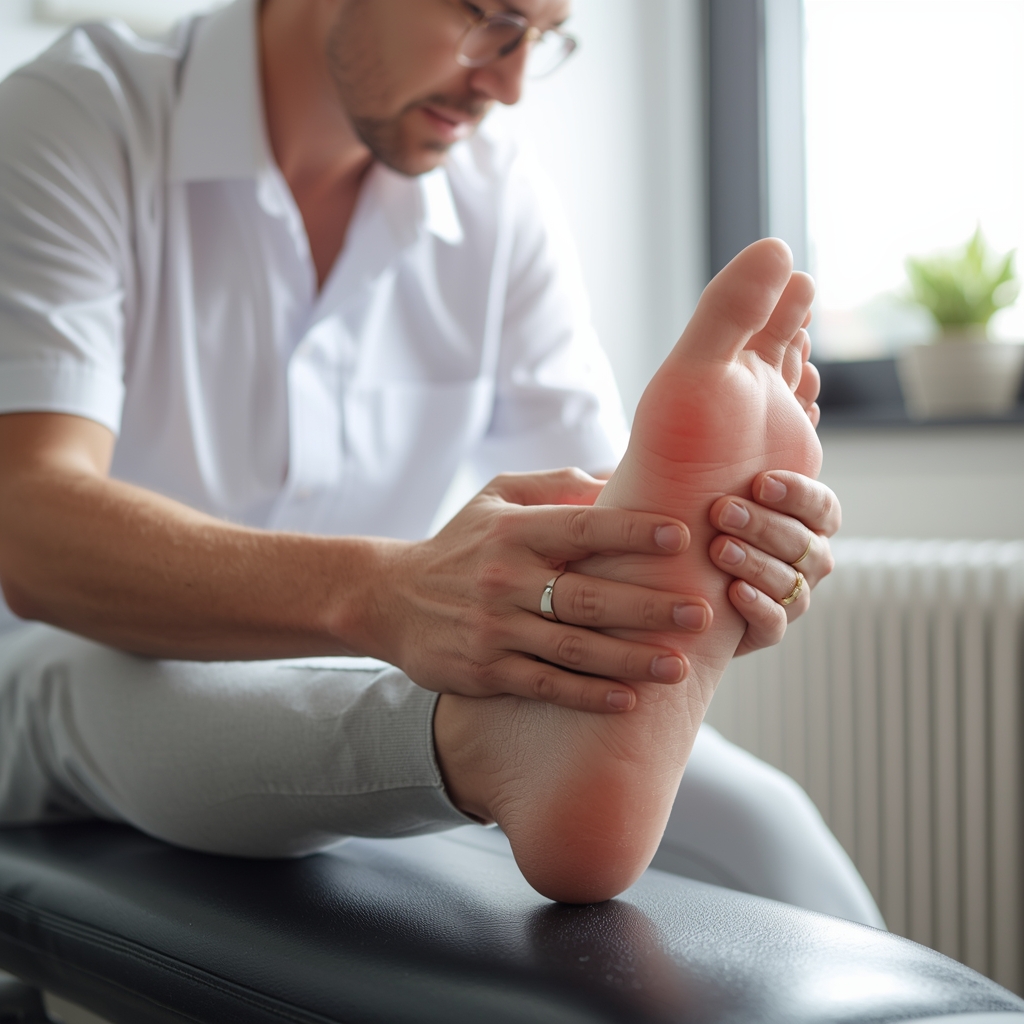
The Graston Technique and Its Role in Chronic Plantar Fasciitis
The Graston Technique is a form of instrument-assisted soft tissue mobilization designed to break down scar tissue and fascial restrictions. For patients with chronic plantar fasciitis, this method targets the dense, fibrotic tissue in the foot’s arch, which often forms due to repetitive strain or inadequate healing. By using specialized tools to detect and treat adhesions, the Graston Technique aims to restore normal tissue function and reduce pain. While not a standalone cure, it is often integrated into broader treatment plans to enhance recovery outcomes. Its focus on soft tissue repair aligns with the goals of managing chronic conditions where traditional therapies may fall short.
How the Graston Technique Addresses Plantar Fasciitis
Chronic plantar fasciitis involves persistent inflammation and microtears in the plantar fascia, a thick band of tissue connecting the heel to the toes. Over time, this can lead to the formation of scar tissue, limiting flexibility and causing ongoing discomfort. The Graston Technique uses textured instruments to glide over the affected area, identifying and breaking up these adhesions. This process may stimulate blood flow, reduce stiffness, and promote the body’s natural healing mechanisms. By addressing the root cause of restricted movement, the technique can complement other interventions like stretching or orthotics, offering a multi-faceted approach to long-term relief.
Benefits of Graston for Chronic Plantar Fasciitis Patients
Patients with chronic plantar fasciitis often seek therapies that provide measurable relief without invasive procedures. The Graston Technique is valued for its ability to target specific areas of tension and dysfunction, potentially reducing pain and improving mobility. Many individuals report decreased reliance on pain medications after consistent sessions, as the technique may enhance tissue elasticity and reduce inflammation. Additionally, its non-surgical nature makes it an appealing option for those hesitant to pursue more aggressive treatments. While results vary, the technique’s focus on soft tissue rehabilitation aligns with holistic approaches to musculoskeletal health, emphasizing long-term management over temporary symptom control.
Comparing Graston to Other Plantar Fasciitis Treatments
Traditional treatments for plantar fasciitis include rest, ice, stretching, and physical therapy, while more advanced options may involve corticosteroid injections or surgery. The Graston Technique offers a unique alternative by directly addressing soft tissue restrictions that other methods may overlook. Unlike injections, which provide temporary relief, Graston aims to restore functional movement patterns. However, it is not a replacement for foundational care like proper footwear or gait analysis. Instead, it works best when combined with these strategies. Patients should discuss their options with a qualified provider to determine if Graston fits their specific needs and treatment goals.
What to Expect During a Graston Session
A typical Graston session for plantar fasciitis begins with a thorough assessment to identify areas of restriction. The practitioner then uses specialized tools to apply controlled pressure and friction to the affected tissues. Patients may feel mild discomfort or a tingling sensation as adhesions are released, but significant pain is uncommon. Sessions usually last 15–30 minutes and are often repeated over several weeks for optimal results. After treatment, gentle stretching or movement is typically recommended to maintain flexibility. While individual experiences vary, many patients notice gradual improvements in pain levels and range of motion with consistent care.
Consulting a Professional for Graston and Plantar Fasciitis
While the Graston Technique shows promise for chronic plantar fasciitis, it is essential to seek treatment from a trained and licensed practitioner. A chiropractor or physical therapist with expertise in instrument-assisted therapy can tailor the approach to an individual’s condition and goals. Patients should communicate their symptoms, medical history, and expectations to ensure safe and effective care. As with any therapeutic intervention, results depend on factors like the severity of the condition and adherence to complementary treatments. By working with a qualified provider, individuals can explore whether Graston Technique is a viable part of their recovery plan.














