
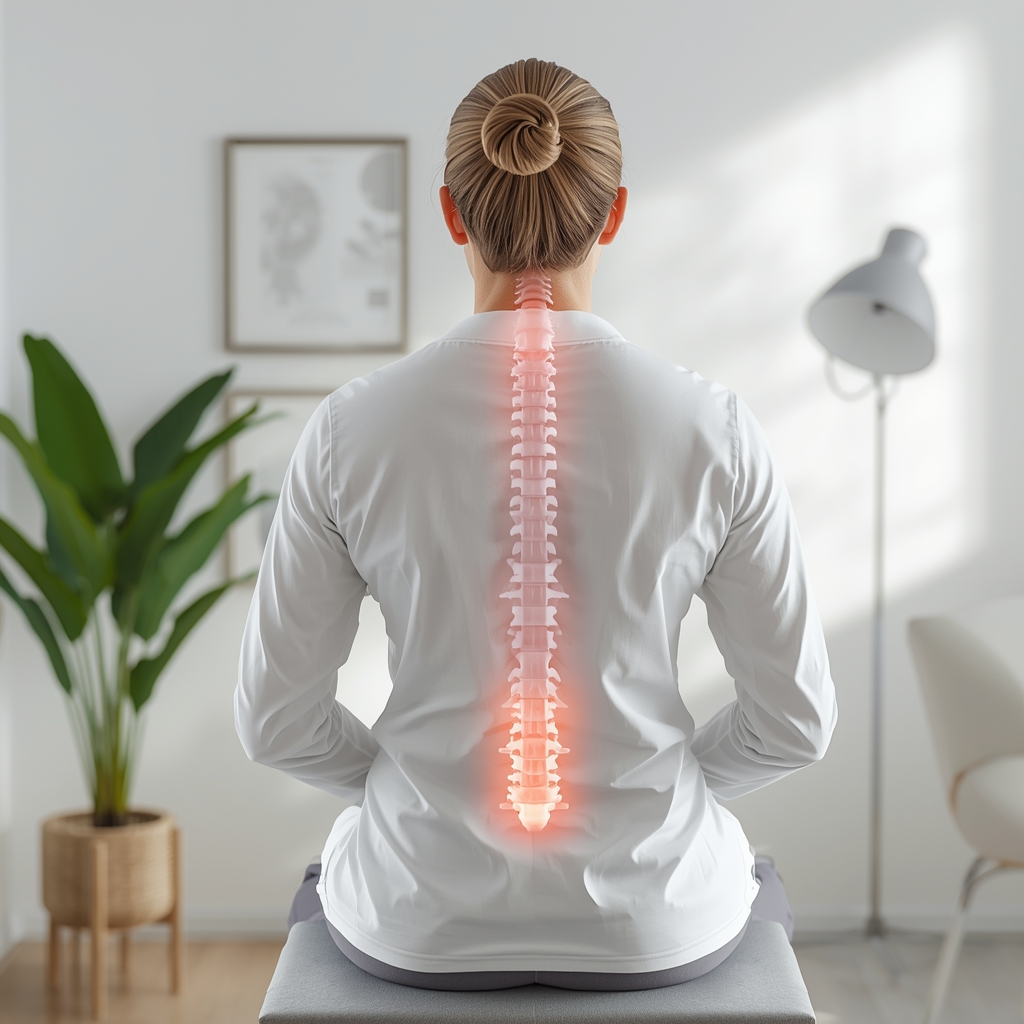
The Role of Posture and Spinal Alignment in Virtual Assessments
Posture and spinal alignment are critical components of musculoskeletal health, influencing pain, mobility, and overall well-being. During virtual consultations, chiropractors must adapt traditional assessment methods to remote settings. Observing posture through video calls allows practitioners to identify visible misalignments, such as slouching or uneven shoulder positioning. Spinal alignment assessments focus on curvature, symmetry, and movement patterns. While virtual tools cannot replace hands-on evaluations, they provide valuable insights when combined with patient-reported symptoms. Effective remote assessments require clear communication, patient cooperation, and an understanding of the limitations of virtual observation. By prioritizing posture and alignment, chiropractors can address root causes of discomfort and guide patients toward targeted interventions.
Utilizing Video Conferencing for Real-Time Observations
Video conferencing platforms enable chiropractors to visually assess posture and movement during virtual visits. Patients can be guided to stand, sit, or perform specific actions while the provider observes from a distance. This method helps detect asymmetries, restricted range of motion, or compensatory movements. However, lighting, camera angles, and internet connectivity can affect accuracy. To mitigate these challenges, practitioners may ask patients to use multiple devices or adjust their positioning. Clear instructions and patient preparation are essential for meaningful observations. While video calls lack the tactile feedback of in-person exams, they remain a foundational tool for remote assessments. When combined with other technologies, they offer a practical approach to evaluating musculoskeletal health from afar.
Digital Tools for Posture Analysis and Spinal Imaging
Advancements in digital technology have introduced tools to enhance remote posture and spinal assessments. Some platforms use AI-driven software to analyze video footage, identifying postural deviations and spinal curvature irregularities. Wearable sensors and smartphone apps can track movement patterns and provide data on balance or gait. While these tools are not yet standard in all practices, they offer promising possibilities for remote diagnostics. Chiropractors may also use 3D imaging systems or posture analysis software to generate visual reports. These technologies complement traditional methods by offering objective data, though they require patient engagement and technical proficiency. As telehealth evolves, integrating such tools can improve the accuracy and reliability of virtual evaluations, bridging gaps in remote musculoskeletal care.
Patients as Active Participants in Virtual Assessments
Remote consultations rely heavily on patient involvement to gather accurate information. Chiropractors often instruct patients to perform specific movements, such as bending, twisting, or standing in certain positions, to observe how their body responds. Patients may also be asked to describe pain locations, intensity, or triggers, which helps identify potential misalignments. Providing clear, step-by-step guidance ensures patients can effectively demonstrate their posture and movement patterns. Some practitioners use pre-visit questionnaires to gather baseline data, streamlining the virtual session. By empowering patients to actively participate, chiropractors can overcome limitations of remote observation. This collaborative approach fosters better communication and helps practitioners make informed decisions about potential treatment strategies.
Limitations and Challenges of Remote Evaluations
Virtual assessments have inherent limitations that chiropractors must acknowledge. Without physical contact, it is difficult to detect subtle muscle tension, joint restrictions, or neurological changes. Environmental factors, such as poor lighting or unstable internet connections, can hinder accurate evaluations. Patients may also struggle to follow instructions or may not be in an optimal setting for assessment. Additionally, some conditions require hands-on testing that cannot be replicated remotely. To address these challenges, chiropractors often recommend in-person follow-ups or supplementary diagnostic tests. Clear communication about the scope of virtual evaluations helps manage expectations. By recognizing these constraints, practitioners can guide patients toward the most appropriate care pathways, ensuring safety and effectiveness.
Integrating Virtual Findings with In-Person Care
Virtual assessments should be viewed as a complementary tool rather than a standalone solution. Chiropractors often use remote findings to inform in-person evaluations, identifying areas that require further investigation. For example, if a virtual session reveals postural imbalances, a follow-up visit can include hands-on testing and targeted adjustments. Patients may also benefit from home exercise programs or ergonomic recommendations based on virtual observations. Effective integration requires clear documentation of virtual findings and open communication between the patient and provider. By combining remote insights with in-person expertise, chiropractors can create a more comprehensive care plan. This hybrid approach ensures that patients receive the most accurate and effective treatment, leveraging the strengths of both virtual and traditional methodologies.














