
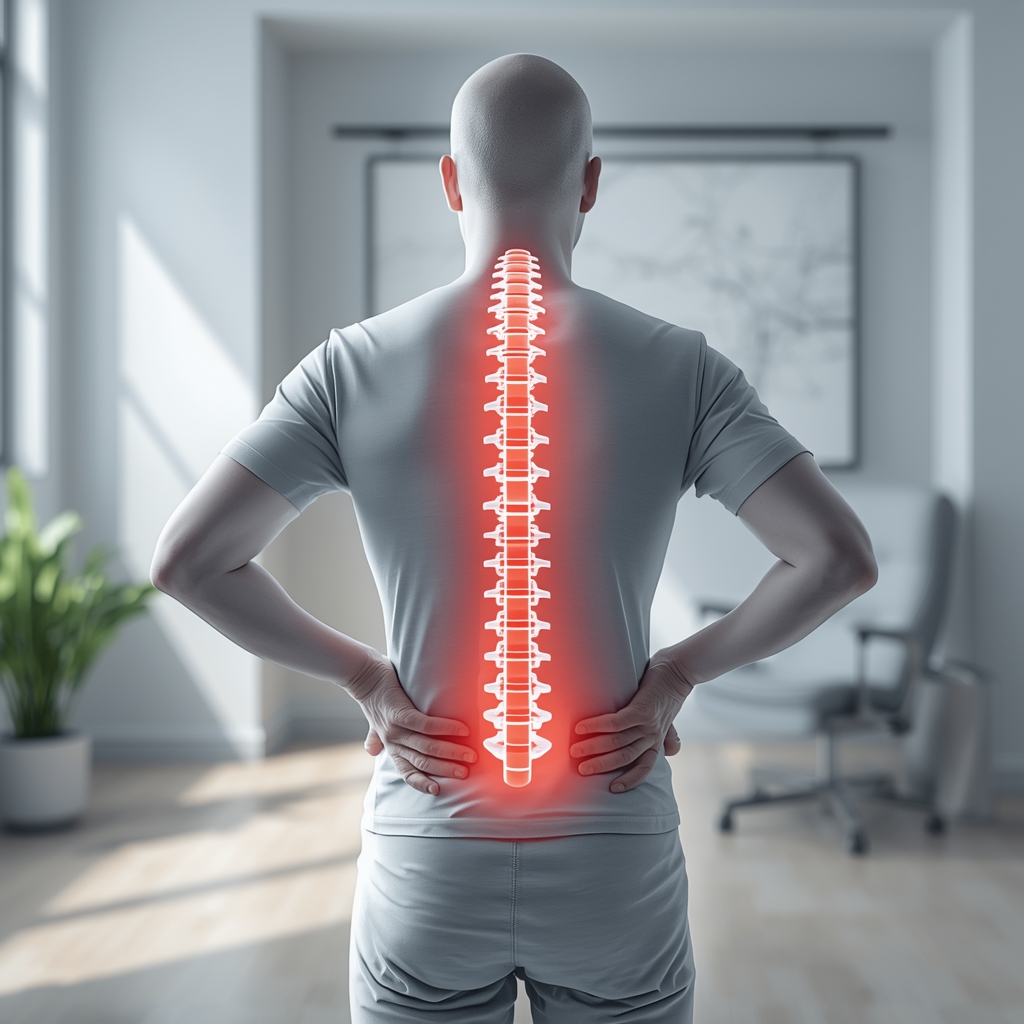
Understanding Lumbar Spinal Stenosis and Non-Surgical Options
Lumbar spinal stenosis occurs when the spinal canal in the lower back narrows, compressing nerves and causing pain, numbness, or weakness. While surgery is an option, many patients seek non-surgical approaches to manage symptoms. Chiropractic care offers several techniques that may alleviate discomfort and improve mobility. These methods focus on reducing pressure on nerves, enhancing spinal alignment, and promoting natural healing. It’s important to consult a licensed chiropractor to determine the most appropriate strategies for individual needs. Non-surgical techniques are often part of a broader treatment plan, combining adjustments, therapy, and lifestyle guidance. This article explores common chiropractic approaches for managing lumbar spinal stenosis safely.
Spinal Adjustments and Manipulation
Spinal adjustments, a cornerstone of chiropractic care, involve manual or instrument-assisted realignment of the spine. For lumbar spinal stenosis, these techniques aim to reduce nerve compression by improving spinal curvature and joint function. Adjustments may help restore mobility and ease pain caused by misalignments. However, the approach must be gentle to avoid aggravating symptoms. A chiropractor will tailor the technique to the patient’s condition, ensuring safety and effectiveness. While adjustments alone may not cure stenosis, they can complement other therapies. Patients should discuss their medical history and symptoms with their provider to ensure this method is suitable for their specific case.
Decompression Therapy for Nerve Relief
Decompression therapy uses controlled, gentle traction to create space between vertebrae, reducing pressure on nerves. This non-invasive technique is often used for conditions like lumbar spinal stenosis, where nerve compression is a primary issue. By alleviating pressure, decompression may ease pain and improve nerve function. Sessions typically involve a specialized table that applies alternating tension to the spine. This method is generally well-tolerated, though it’s crucial to work with a trained professional. While decompression therapy can provide relief, it’s often part of a multi-faceted approach. Patients should consult their chiropractor to determine if this therapy aligns with their treatment goals and overall health status.
Soft Tissue Therapy and Muscle Relaxation
Soft tissue therapy targets muscles, ligaments, and fascia to reduce tension and improve flexibility. For lumbar spinal stenosis, this approach can ease muscle spasms and stiffness that may worsen symptoms. Techniques like myofascial release or trigger point therapy help relax tight areas around the spine, promoting better posture and movement. By addressing muscular imbalances, soft tissue therapy may indirectly reduce nerve pressure. It’s often used alongside spinal adjustments to enhance overall effectiveness. Patients should communicate any discomfort during sessions to ensure the therapy remains safe and comfortable. As with all chiropractic care, individual results vary, and a provider can guide the appropriate frequency and intensity of treatment.
Corrective Exercises for Spinal Stability
Corrective exercises are designed to strengthen core muscles, improve posture, and enhance spinal stability. For lumbar spinal stenosis, these exercises can help maintain proper alignment and reduce strain on the lower back. A chiropractor may recommend specific movements, such as pelvic tilts or gentle stretching, to support the spine. Consistent practice can improve mobility and decrease pain over time. However, exercises should be tailored to the patient’s condition to avoid exacerbating symptoms. Patients are encouraged to follow their provider’s guidance and avoid high-impact activities. When combined with other chiropractic techniques, corrective exercises can play a key role in long-term symptom management.
Collaborative Care and Patient Safety
Managing lumbar spinal stenosis often requires a collaborative approach, integrating chiropractic care with other therapies. A chiropractor may coordinate with physical therapists, pain specialists, or primary care providers to create a comprehensive plan. This ensures all aspects of the condition are addressed safely and effectively. Patients should prioritize open communication with their healthcare team to monitor progress and adjust strategies as needed. While non-surgical techniques can offer relief, they are not a substitute for medical evaluation. Regular check-ups and adherence to professional recommendations are essential for optimal outcomes. By working closely with qualified providers, individuals can explore safe, personalized options for managing their symptoms.











