
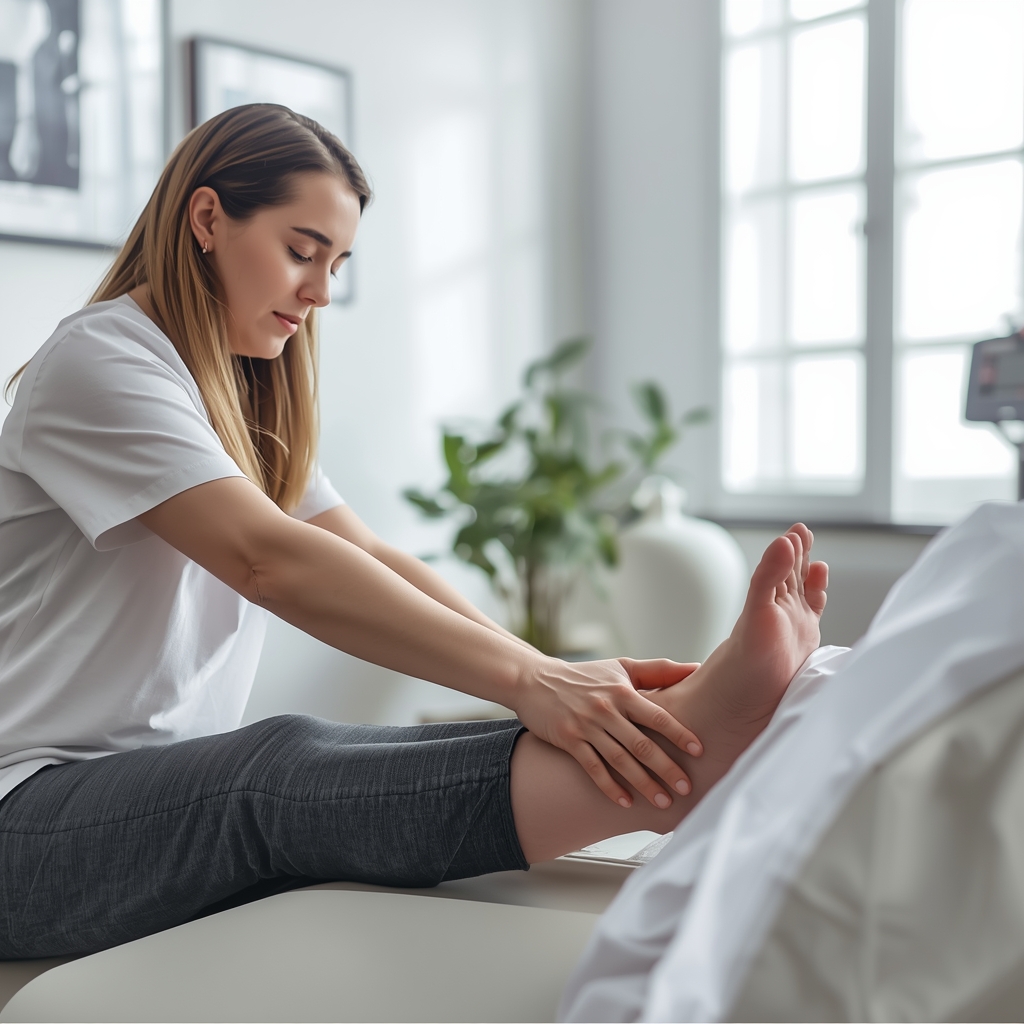
Understanding the Graston Technique and Chronic Plantar Fasciitis
The Graston Technique is a form of instrument-assisted soft tissue mobilization designed to break down scar tissue and adhesions in muscles, tendons, and ligaments. Chronic plantar fasciitis, a persistent inflammation of the thick band of tissue connecting the heel bone to the toes, often leads to significant pain and mobility issues. While traditional treatments like stretching and orthotics may provide relief, some patients seek additional options. The Graston Technique offers a targeted approach to address the underlying soft tissue restrictions contributing to plantar fasciitis, potentially enhancing recovery outcomes when used alongside conventional methods.
How the Graston Technique Works for Plantar Fasciitis
The technique involves using specialized tools to detect and treat areas of restricted movement in the foot and lower leg. By applying controlled pressure, the instruments help identify and break up scar tissue, improving blood flow and promoting healing. For plantar fasciitis, this can reduce tension in the affected area and restore normal tissue function. The process may also stimulate the body’s natural inflammatory response, which is essential for tissue repair. While the exact mechanisms are not fully understood, many practitioners observe improved flexibility and reduced pain in patients undergoing Graston sessions, making it a valuable tool in a comprehensive treatment plan.
Benefits of Graston for Chronic Plantar Fasciitis
Patients with chronic plantar fasciitis often experience persistent pain that limits daily activities. The Graston Technique may offer several benefits, including reduced inflammation, improved range of motion, and faster recovery times. By addressing soft tissue restrictions, the technique can alleviate pressure on the plantar fascia, potentially decreasing pain levels. Some studies suggest that instrument-assisted therapy may enhance the effectiveness of other treatments, such as physical therapy or orthotic use. However, results can vary, and it is important to consult a qualified chiropractor to determine if Graston is suitable for individual cases. The goal is to create a tailored approach that supports long-term relief and functional improvement.
Integrating Graston with Other Treatments
The Graston Technique is often used in conjunction with other therapies to maximize its effectiveness for plantar fasciitis. For example, combining it with stretching exercises, physical therapy, or custom orthotics may enhance outcomes. Chiropractors may also recommend lifestyle modifications, such as avoiding prolonged standing or wearing supportive footwear, to complement the treatment. While Graston addresses soft tissue restrictions, these additional strategies target different aspects of the condition, such as biomechanics and inflammation. A multidisciplinary approach can provide more comprehensive relief, but patients should work closely with their healthcare provider to ensure all interventions align with their specific needs and goals.
Patient Experiences and Outcomes
Many individuals with chronic plantar fasciitis report positive experiences with the Graston Technique, citing reduced pain and improved mobility after sessions. However, outcomes can vary based on factors like the severity of the condition and adherence to follow-up care. Some patients may notice immediate relief, while others require multiple sessions to see significant improvements. It is important to note that the Graston Technique is not a standalone solution but part of a broader treatment strategy. Patients should maintain open communication with their chiropractor to track progress and adjust the plan as needed. While anecdotal evidence supports its use, ongoing research continues to explore its long-term efficacy for plantar fasciitis and other musculoskeletal conditions.
When to Consider Graston for Plantar Fasciitis
If conservative treatments like rest, ice, and stretching fail to provide relief, the Graston Technique may be worth exploring. It is particularly useful for patients with persistent soft tissue tightness or scar tissue buildup in the foot. However, it is not suitable for everyone, and a thorough evaluation by a chiropractor is essential. Factors such as the patient’s overall health, the duration of symptoms, and other underlying conditions must be considered. While the Graston Technique can be a valuable addition to a treatment plan, it should always be administered by a trained professional. Patients should approach it as part of a holistic strategy, combining it with other evidence-based therapies for the best possible outcomes.













