
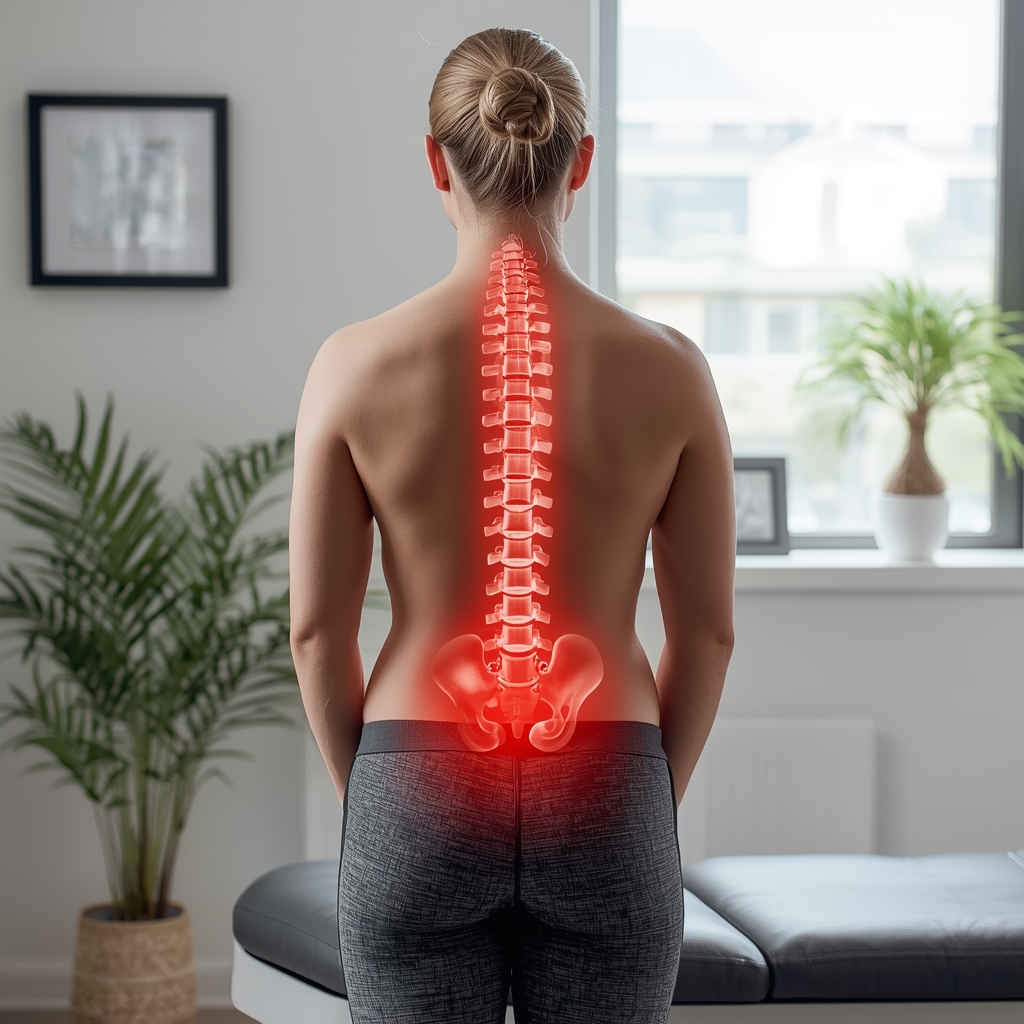
Understanding Hip Bursitis and IT Band Syndrome
Hip bursitis, particularly trochanteric bursitis, involves inflammation of the fluid-filled sacs (bursae) near the hip joint, causing pain on the outer hip. Iliotibial (IT) band syndrome affects the thick band of tissue running from the hip to the knee, leading to friction and discomfort along the outer thigh. Both conditions often stem from overuse, muscle imbalances, or repetitive motions. Strengthening the hip abductors—muscles like the gluteus medius and minimus—can reduce strain on these areas by improving alignment and stability. A chiropractor may recommend targeted protocols to address underlying biomechanics, ensuring exercises support recovery without exacerbating symptoms.
Strengthening Exercises for Hip Abductors
Targeted hip abductor strengthening can alleviate pressure on the bursae and IT band. Clamshell exercises, performed lying on the side with knees bent, isolate the gluteus medius. Side-lying leg lifts, moving the top leg upward, also engage these muscles. Resistance bands enhance effectiveness by adding tension. Step-ups onto a low platform, focusing on controlled movements, further build strength. These exercises should be performed slowly and with proper form to avoid overloading the hips. A chiropractor can guide patients in adjusting intensity and ensuring exercises align with their specific condition, preventing aggravation of existing pain.
Stretching Routines to Alleviate Tension
Stretching tight muscles around the hip and IT band can reduce friction and inflammation. The IT band stretch involves crossing one leg behind the other while leaning sideways, holding for 20-30 seconds per side. Foam rolling along the outer thigh and hip area helps release tension in the glutes and IT band. Pigeon pose, a yoga stretch, targets hip flexibility, while standing hamstring stretches relieve lower body strain. Consistent stretching improves range of motion and reduces stiffness. However, patients should avoid overstretching, which may worsen symptoms. A chiropractor can recommend personalized routines, ensuring stretches complement other treatments and avoid counterproductive movements.
Avoiding Aggravating Activities
Patients with hip bursitis or IT band syndrome should modify activities that strain the hips. Prolonged standing, running on uneven surfaces, or sitting with crossed legs can exacerbate symptoms. Chiropractors may advise adjusting posture, using ergonomic supports, or switching to low-impact exercises like swimming or cycling. Proper footwear with arch support and cushioning reduces stress on the hips. Daily habits, such as avoiding heavy lifting or maintaining a healthy weight, also play a role in managing inflammation. By identifying and modifying triggers, patients can create a supportive environment for healing, complementing chiropractic interventions and exercise protocols.
Integrating Chiropractic Care with Exercise
Chiropractic adjustments can address misalignments contributing to hip bursitis or IT band syndrome, improving joint function and reducing pain. When combined with targeted exercises, these adjustments enhance overall recovery. A chiropractor may use soft tissue techniques, such as Active Release Technique (ART), to release tight muscles and adhesions. They can also assess gait patterns or posture issues that strain the hips, offering corrective strategies. Patients should communicate openly with their provider about exercise routines to ensure they align with their care plan. This collaborative approach ensures exercises and adjustments work synergistically, promoting long-term musculoskeletal health without overtaxing the affected areas.
When to Seek Professional Guidance
While general protocols can support recovery, individualized care is crucial. A chiropractor can evaluate the severity of hip bursitis or IT band syndrome, ruling out other conditions and tailoring recommendations. Persistent pain, swelling, or limited mobility warrants professional evaluation. Patients should avoid self-diagnosis, as symptoms may overlap with issues like sciatica or hip osteoarthritis. Chiropractors may also coordinate with physical therapists or other specialists for comprehensive care. By prioritizing professional guidance, patients ensure their strengthening and stretching routines are safe, effective, and aligned with their unique needs, fostering optimal outcomes.















