
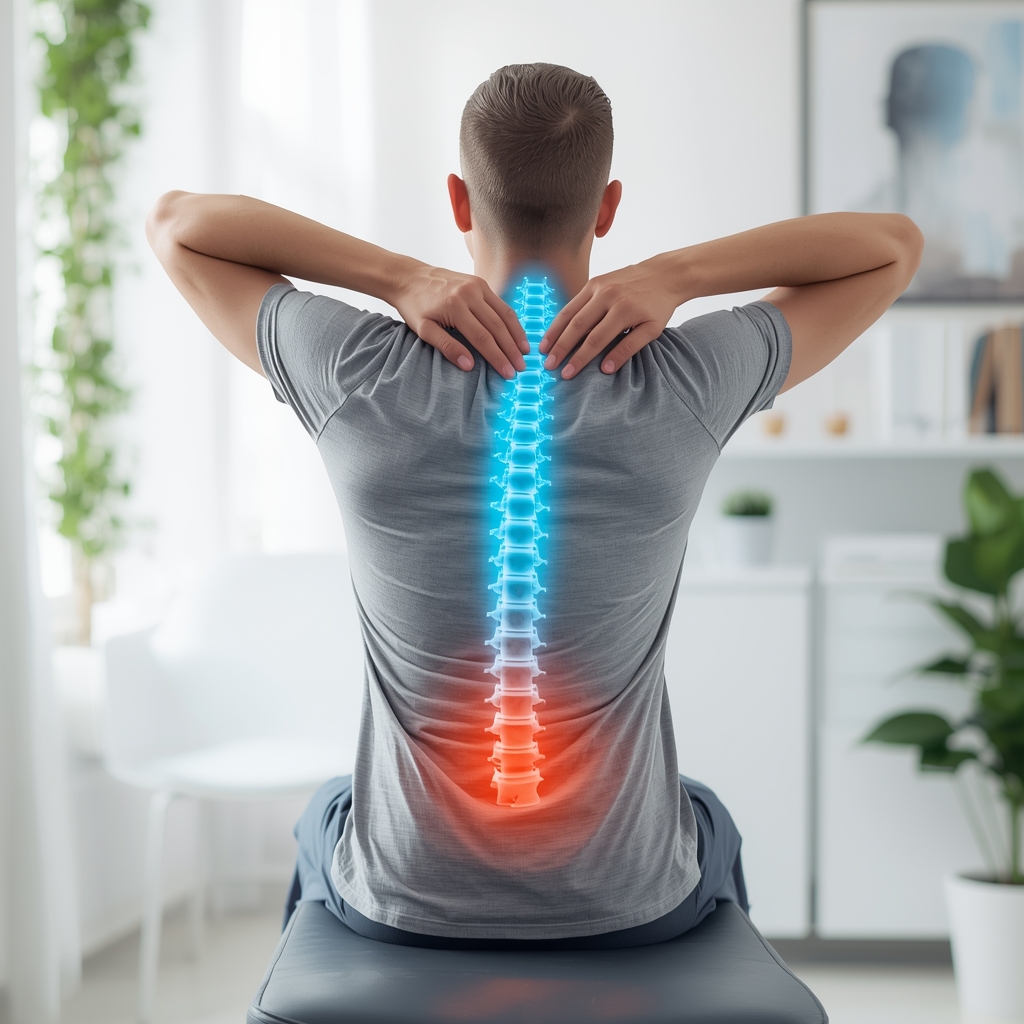
Understanding Spinal Mobilization and Diabetic Neuropathy
Spinal mobilization techniques involve gentle, controlled movements of the spine to improve joint function and alleviate nerve-related discomfort. For individuals with diabetic neuropathy, which often causes tingling, numbness, or pain in the extremities, these methods may address underlying spinal misalignments that contribute to nerve compression. While research on direct correlations remains limited, chiropractic care focuses on restoring proper biomechanics, potentially reducing pressure on nerves and improving overall nerve signaling. It’s important to note that spinal mobilization is typically part of a broader treatment plan, not a standalone solution. Patients should always consult a licensed chiropractor to determine if these techniques align with their specific condition and health goals.
Common Spinal Mobilization Techniques Used
Chiropractors may employ various mobilization approaches, such as spinal adjustments, soft tissue therapy, and instrument-assisted techniques. Spinal adjustments involve manual or tool-assisted realignment of vertebrae to correct misalignments. Soft tissue methods, like myofascial release, target tight muscles that might exacerbate nerve irritation. Instrument-assisted techniques use specialized devices to apply precise pressure, minimizing strain on the patient. These methods aim to enhance spinal flexibility, reduce inflammation, and support nerve function. However, effectiveness can vary based on individual anatomy and the severity of neuropathy. A qualified provider will tailor the approach to each patient’s needs, ensuring safety and comfort throughout the process.
How Mobilization May Impact Nerve Function
Spinal mobilization may indirectly support nerve health by improving spinal alignment and reducing mechanical stress on nerves. When the spine is properly aligned, it can decrease pressure on spinal nerves, potentially easing symptoms like pain or numbness. Additionally, enhanced mobility may promote better blood flow to nerve tissues, supporting their function. Some practitioners suggest that these techniques can stimulate the nervous system, encouraging natural healing processes. However, the exact mechanisms remain under study, and results vary among individuals. Patients should approach these methods with realistic expectations, understanding that they may complement other therapies rather than replace them.
The Importance of Personalized Treatment Plans
Each person’s experience with diabetic neuropathy is unique, making personalized care essential. A chiropractor will conduct a thorough evaluation, including medical history and physical exams, to identify spinal factors contributing to nerve symptoms. Based on this assessment, they may recommend a combination of mobilization techniques, lifestyle adjustments, and referrals to other specialists. For example, a patient with significant nerve damage might benefit from a gentler approach, while someone with mild symptoms could tolerate more active techniques. Regular follow-ups allow for adjustments to the plan as needs evolve. This individualized focus ensures that care remains safe, effective, and aligned with the patient’s overall health objectives.
Safety Considerations and Precautions
While spinal mobilization is generally safe when performed by a trained professional, certain precautions are necessary, especially for individuals with diabetic neuropathy. Conditions like severe osteoporosis or spinal instability may contraindicate specific techniques. Patients should disclose their full medical history, including blood sugar control and any medications, to avoid complications. It’s also crucial to seek care from a licensed chiropractor with experience in nerve-related conditions. Overly aggressive manipulations could worsen symptoms, so gentle, measured approaches are typically preferred. Patients should report any unusual discomfort during sessions, ensuring adjustments can be made promptly to maintain safety and comfort.
Integrating Mobilization with Other Therapies
Spinal mobilization often works best when combined with other treatments for diabetic neuropathy. Physical therapy, for instance, can strengthen muscles and improve balance, while blood sugar management remains critical for preventing further nerve damage. Nutritional support, exercise, and medications prescribed by a physician may also play roles. Chiropractors may collaborate with these providers to create a cohesive care plan. Patients should view spinal techniques as one tool among many, rather than a cure-all. Open communication with all healthcare providers ensures that treatments complement each other, maximizing benefits while minimizing risks. This integrative approach supports long-term symptom management and overall well-being.













