
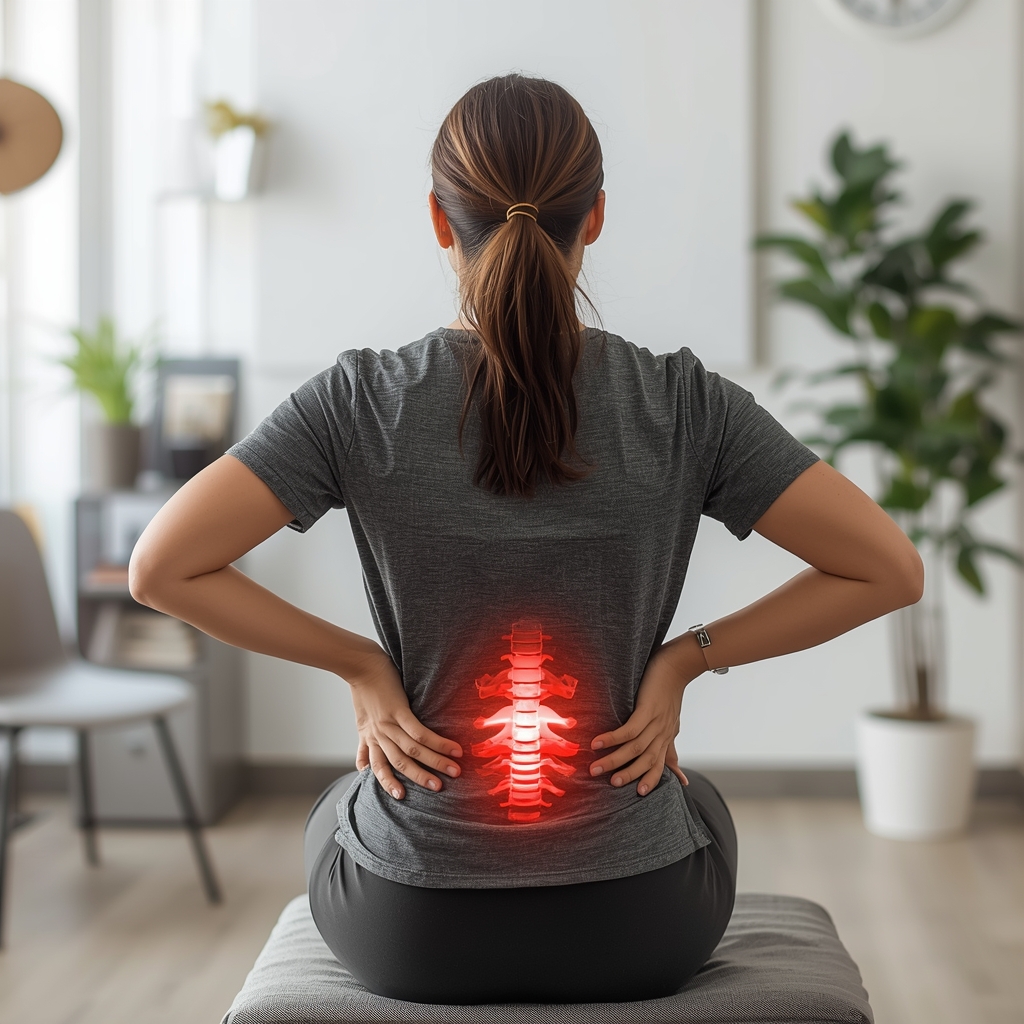
Understanding Holiday Travel Strain on the Lower Back
Holiday travel often involves prolonged sitting, frequent lifting, and irregular routines, all of which can strain the lower back. Long car rides, crowded airports, and heavy luggage contribute to poor posture and muscle fatigue. The lower back is particularly vulnerable during these activities, as it bears much of the body’s weight and supports spinal alignment. Even minor misalignments can lead to discomfort or injury. Recognizing these risks is the first step in preventing holiday-related back strain. By combining chiropractic care with proactive ergonomic habits, travelers can reduce their chances of developing pain or injury. This approach emphasizes maintaining spinal health through both professional interventions and daily lifestyle adjustments.
How Chiropractic Adjustments Support Spinal Health During Travel
Chiropractic adjustments can help maintain proper spinal alignment, which is crucial during travel when posture and movement patterns often change. A chiropractor may perform gentle manipulations to correct misalignments that could worsen during long journeys. These adjustments can relieve pressure on nerves and muscles, promoting better mobility and reducing the risk of back strain. For frequent travelers, regular chiropractic checkups can serve as a preventive measure, ensuring the spine remains in optimal condition. Additionally, adjustments may enhance the body’s natural ability to adapt to the physical demands of travel. While not a cure-all, they offer a non-invasive way to support the lower back’s resilience against holiday-specific stressors.
Ergonomic Tips for Safe Travel and Lower Back Protection
Adopting ergonomic practices during travel can significantly reduce lower back strain. When packing, distribute weight evenly in bags to avoid overloading one side of the body. In vehicles, use lumbar support cushions to maintain the spine’s natural curve while sitting. For air travel, choose seats with extra legroom and perform simple stretches during layovers to keep muscles active. When walking through airports, avoid slouching or carrying heavy items on one shoulder. At home, set up a comfortable workspace to prevent stiffness after long trips. These small adjustments help maintain proper posture and reduce the physical toll of holiday travel on the lower back.
Proper Lifting Techniques to Prevent Back Injuries
Improper lifting is a common cause of lower back strain, especially during holiday travel when moving luggage or gifts. Always bend at the knees, keeping the back straight and using leg muscles to lift. Avoid twisting the spine while lifting; instead, pivot the feet to change direction. Keep the object close to the body to minimize strain on the lower back. When carrying multiple items, distribute the weight evenly or use a dolly for heavier loads. These techniques reduce the risk of sudden injuries or cumulative strain. Travelers should also avoid overexertion, recognizing their physical limits to prevent long-term damage. Incorporating these habits into daily routines can create lasting back health benefits.
Maintaining Mobility and Flexibility During Long Journeys
Staying mobile during extended travel helps prevent lower back stiffness and discomfort. Take frequent breaks to stand, stretch, and walk around, especially during car trips or flights. Simple exercises like seated leg lifts or shoulder rolls can keep muscles engaged and reduce tension. For those seated for long periods, consider using a travel pillow to support the lower back and maintain proper posture. Staying hydrated and avoiding excessive caffeine or alcohol also supports muscle function and recovery. By prioritizing movement, travelers can counteract the sedentary nature of holiday travel and keep their lower back healthy throughout the season.
When to Seek Professional Help for Back Strain
If lower back pain persists or worsens during or after travel, consulting a chiropractor is advisable. Symptoms like sharp pain, numbness, or difficulty moving may indicate a more serious issue requiring professional evaluation. A chiropractor can assess the spine’s condition and recommend targeted treatments, such as adjustments or therapeutic exercises. Early intervention can prevent minor discomfort from escalating into chronic problems. Travelers should also consider scheduling a pre-holiday checkup to address any existing spinal concerns. By staying proactive, individuals can enjoy their holidays with greater comfort and confidence in their physical well-being.














