
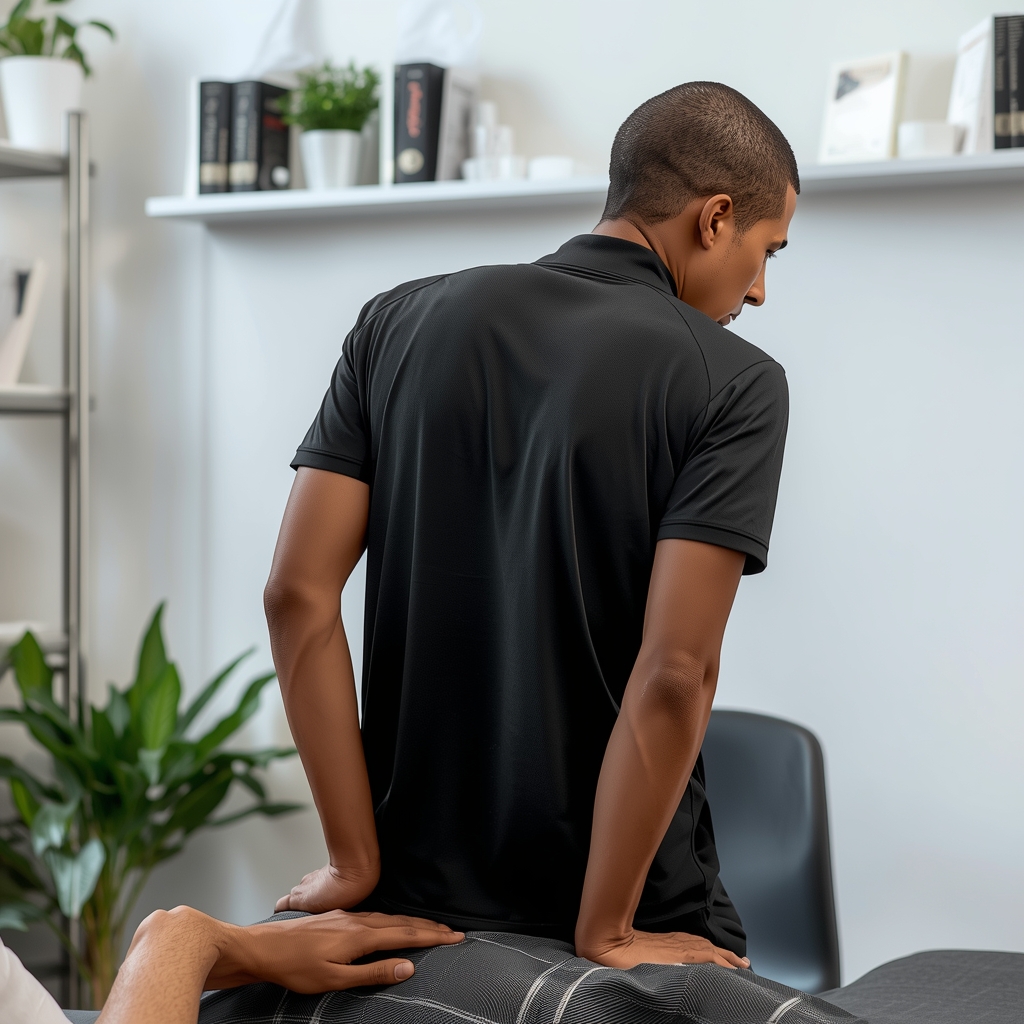
Understanding the Link Between Spinal Health and Golf Performance
Spinal health plays a critical role in athletic performance, particularly in sports requiring rotational movement and core stability, such as golf. A properly aligned spine supports efficient biomechanics, allowing golfers to generate power and maintain consistency in their swing. Misalignments or restricted mobility in the spine can lead to compensatory movements, reducing swing efficiency and increasing injury risk. Chiropractic care addresses these issues by restoring proper joint function and nerve communication, which are essential for optimal movement patterns. Golfers often experience strain in the thoracic spine, sacrum, and cervical regions due to repetitive rotational forces. Regular spinal adjustments can help alleviate these stresses, promoting better posture and range of motion. By prioritizing spinal health, golfers can enhance their ability to execute a smooth, powerful swing while minimizing the risk of common injuries like lower back pain or shoulder strain.
Key Spinal Adjustments for Golfers
Targeted spinal adjustments can significantly improve a golfer’s mechanics by correcting misalignments that hinder movement. The thoracic spine, which governs rotational mobility, is a primary focus. Adjustments here enhance the spine’s ability to twist efficiently, a critical component of the golf swing. Sacral adjustments also play a role, as the sacrum connects to the pelvis and influences lower body stability. A stable pelvis allows for better weight transfer during the swing, reducing unnecessary strain on the lower back. Cervical spine adjustments may address neck tension that can disrupt balance or cause headaches during play. These adjustments are typically performed using gentle, precise techniques to avoid overcorrection. By restoring proper alignment, chiropractors help golfers achieve a more fluid swing motion and reduce the likelihood of developing chronic pain from repetitive stress.
Flexibility Routines to Complement Spinal Care
Flexibility is essential for maintaining the range of motion required in a golf swing. Tightness in the hips, shoulders, or core can limit rotational movement, forcing the spine to compensate and increasing injury risk. Dynamic stretching routines, such as leg swings and arm circles, can improve mobility before a round, while static stretches like the seated forward fold or hip flexor stretches help maintain flexibility. Core-strengthening exercises, including planks and rotational twists, enhance stability and support spinal alignment during the swing. Foam rolling and myofascial release techniques can also alleviate muscle tension that restricts movement. Combining these routines with regular chiropractic care ensures that the body remains both strong and supple. Golfers who prioritize flexibility often report improved swing mechanics and reduced post-round soreness, highlighting the synergy between movement quality and spinal health.
How Adjustments and Flexibility Improve Swing Mechanics
The combination of spinal adjustments and targeted flexibility work creates a foundation for optimal swing mechanics. When the spine is properly aligned, golfers can rotate more freely, generating greater power with less effort. This alignment also promotes better posture, which is crucial for maintaining balance throughout the swing. Flexibility routines that focus on the hips and shoulders allow for a fuller range of motion, enabling a more efficient transfer of energy from the lower body to the club. Additionally, improved neuromuscular control from regular adjustments helps golfers maintain consistent form under pressure. Over time, these adjustments and routines can reduce the reliance on compensatory movements that often lead to injury. By addressing both structural and muscular factors, golfers can refine their technique and achieve more consistent performance on the course.
Injury Prevention Strategies for Golfers
Injury prevention in golf involves proactive care to address common stress points in the body. Spinal adjustments help maintain joint mobility and reduce the risk of misalignments that could lead to chronic issues. Flexibility routines target areas prone to tightness, such as the hamstrings, hip flexors, and thoracic spine, which are often overworked during swings. Strengthening exercises for the core and lower back provide additional support, minimizing strain during repetitive motions. Golfers should also consider ergonomic adjustments to their equipment and warm-up routines to further reduce injury risk. Regular chiropractic checkups can identify and address minor issues before they escalate into more serious problems. By integrating these strategies, golfers can enjoy longer, healthier playing careers while maintaining peak performance levels throughout the season.
Consulting a Chiropractor for Personalized Care
While general guidelines exist for spinal adjustments and flexibility routines, individual needs vary based on a golfer’s biomechanics, injury history, and playing style. A qualified chiropractor can assess these factors and develop a tailored care plan to address specific concerns. This may include customized adjustments, targeted stretches, or recommendations for complementary therapies like massage or dry needling. Regular consultations allow for ongoing monitoring and adjustments to the care plan as the golfer’s needs evolve. It’s important to work with a chiropractor experienced in sports performance to ensure techniques align with the demands of golf. By seeking professional guidance, golfers can maximize the benefits of chiropractic care while minimizing the risk of overtraining or improper technique. This personalized approach supports long-term wellness and helps maintain the body’s ability to perform at its best.














