
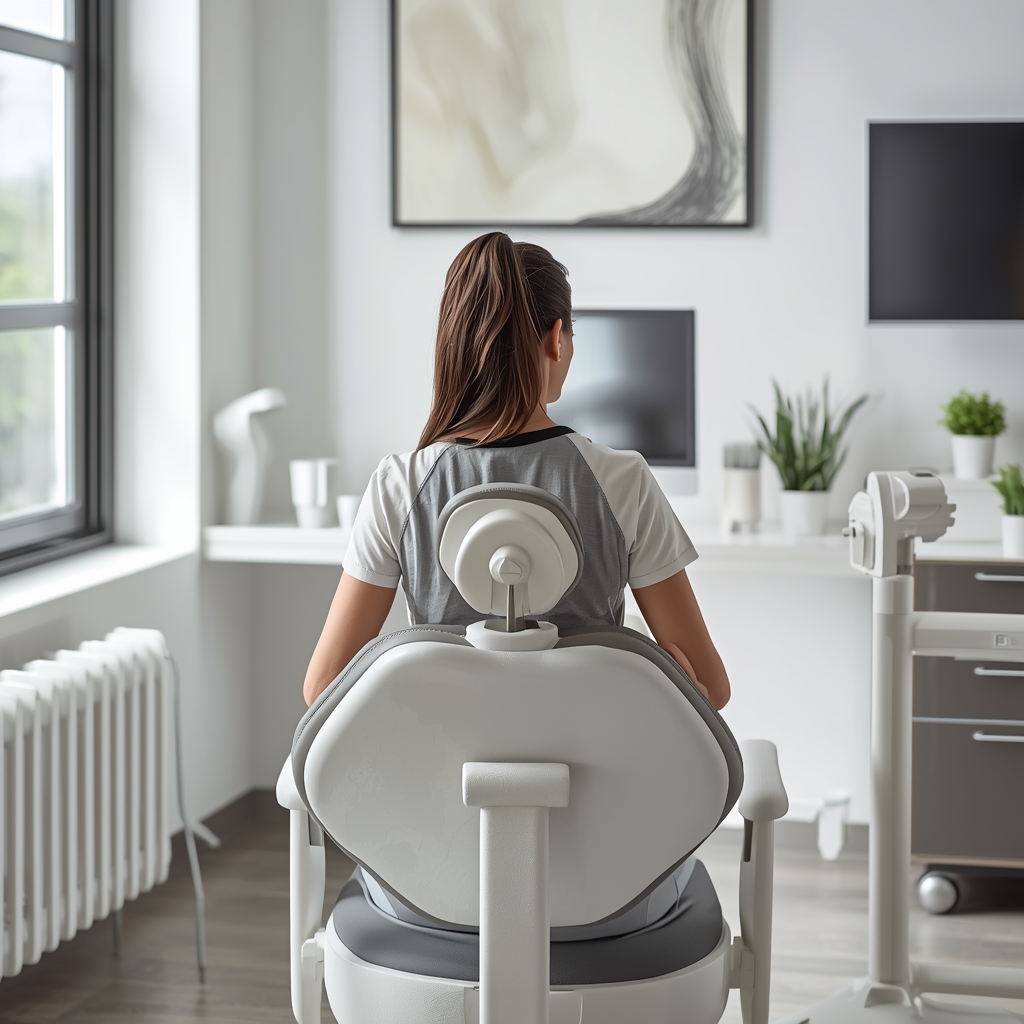
Understanding the Unique Risks for Dental Professionals
Dental professionals face distinct ergonomic challenges due to prolonged static postures, repetitive hand movements, and forward head positioning during procedures. These factors increase the risk of repetitive strain injuries (RSIs), including neck, shoulder, and lower back pain. Poor workstation setup exacerbates these issues, leading to chronic discomfort and reduced efficiency. Recognizing these risks is the first step in implementing preventive strategies. Ergonomic adjustments and targeted spinal mobilizations can mitigate strain, but they must align with the specific demands of dental work. By addressing posture, equipment setup, and movement patterns, dental professionals can reduce injury risk while maintaining optimal performance. This article explores practical solutions to support long-term musculoskeletal health in this high-risk profession.
Key Ergonomic Adjustments for Dental Workstations
Optimizing workstation design is critical for preventing RSIs. Adjusting chair height to keep elbows at 90 degrees and feet flat on the floor promotes proper alignment. Dental chairs with adjustable lumbar support help maintain the spine’s natural curve, reducing lower back strain. Positioning instruments within easy reach minimizes excessive reaching or twisting. Proper lighting is equally important—task lights should reduce glare and eye strain without causing shadows. A neutral wrist position during procedures prevents carpal tunnel syndrome, while a footrest supports balanced weight distribution. Regularly reassessing these adjustments ensures they adapt to changing needs. Small modifications, like using an anti-fatigue mat or ergonomic tools, can significantly ease physical demands. These changes create a workspace that supports both productivity and musculoskeletal health.
Spinal Mobilizations to Alleviate Tension
Spinal mobilizations, such as gentle adjustments and soft tissue techniques, can relieve tension accumulated from static postures. Chiropractors often recommend cervical spine adjustments to address forward head posture, a common issue among dental professionals. Thoracic spine mobilizations improve posture and reduce upper back strain by increasing mobility in the mid-back. Sacroiliac joint adjustments may alleviate lower back discomfort caused by prolonged sitting. These techniques are typically painless and can be integrated into regular wellness routines. Combining mobilizations with stretching exercises enhances their effectiveness. For example, neck retractions and shoulder blade squeezes counteract hunched positions. Consistent use of these methods supports spinal alignment and reduces the risk of chronic pain. Always consult a licensed chiropractor to ensure safe and appropriate techniques for individual needs.
Posture Correction Techniques for Daily Use
Maintaining proper posture is essential for preventing RSIs. Dental professionals should focus on keeping the ears aligned with the shoulders and the shoulders over the hips, reducing spinal compression. Engaging core muscles during procedures provides additional support for the lower back. Regularly pausing to perform posture resets—such as standing tall with hands on a wall—reinforces muscle memory. Mirror exercises, where practitioners observe and correct their stance, can build awareness. Ergonomic aids like posture braces or feedback devices may also help. Incorporating these techniques into daily routines builds resilience against strain. Over time, these habits become second nature, minimizing the risk of long-term musculoskeletal issues. Consistency is key to achieving lasting improvements in posture and comfort.
Incorporating Movement and Breaks into Work Routines
Regular movement breaks disrupt prolonged static positions, reducing the risk of RSIs. Every 30-60 minutes, dental professionals should stand, stretch, or walk for a few minutes to promote blood flow and muscle relaxation. Simple exercises, like shoulder rolls or seated spinal twists, counteract stiffness. Using a standing desk or alternating between sitting and standing can further alleviate pressure on the spine. Incorporating dynamic stretches before and after shifts prepares the body for physical demands. Even brief movements, such as neck tilts or wrist extensions, contribute to overall flexibility. These practices prevent muscle fatigue and maintain joint mobility. By prioritizing movement, dental professionals protect their bodies while sustaining high-quality patient care. Small, consistent efforts yield significant long-term benefits.
Collaborating with Chiropractors for Personalized Care
Chiropractors play a vital role in developing tailored strategies to prevent RSIs. A professional evaluation identifies specific risk factors and recommends customized ergonomic adjustments. Spinal mobilizations and soft tissue therapies can target areas of tension unique to dental work. Chiropractors also guide patients in adopting posture correction techniques and movement routines. Regular check-ups ensure ongoing support as work demands evolve. Open communication with a chiropractor helps address emerging issues before they escalate. This collaborative approach empowers dental professionals to maintain optimal musculoskeletal health. By integrating chiropractic care into their wellness plan, practitioners protect their bodies and enhance their ability to perform daily tasks comfortably.











