
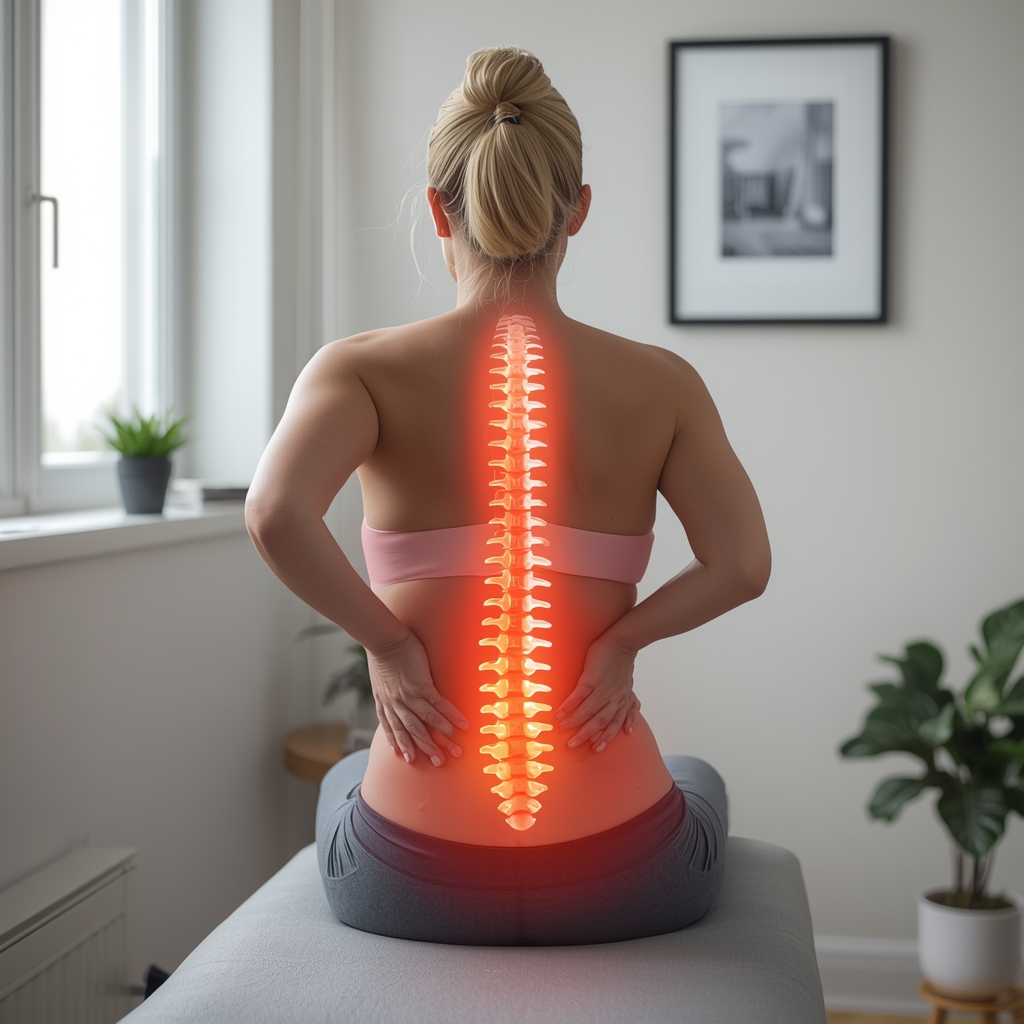
The Role of Massage in Chronic Myofascial Pain Management
Chronic myofascial pain in the lower back often involves tight, tender muscle knots known as trigger points. Integrating massage therapy with chiropractic care can address both muscular and skeletal components of this condition. While chiropractic adjustments realign the spine and improve nerve function, massage techniques target soft tissue restrictions, reducing tension and enhancing recovery. This combined approach may improve mobility, decrease pain intensity, and support long-term musculoskeletal health. Patients often report greater relief when both modalities are used together, as they address different aspects of the same issue. However, the specific techniques chosen should align with individual needs and be guided by a qualified provider.
Trigger Point Therapy for Myofascial Release
Trigger point therapy focuses on identifying and deactivating hyperirritable muscle spots that contribute to pain. Practitioners apply sustained pressure to these areas, which can alleviate referred pain and restore muscle function. When paired with chiropractic care, this technique helps prepare the musculature for spinal adjustments by reducing resistance and improving flexibility. For lower back pain, targeting trigger points in the erector spinae, gluteals, and hamstrings is particularly effective. This method complements chiropractic adjustments by ensuring muscles are relaxed and balanced, allowing for more efficient joint realignment. Patients may experience immediate relief, though multiple sessions are often needed for lasting results.
Myofascial Release Techniques
Myofascial release involves applying gentle, sustained pressure to the fascia—the connective tissue surrounding muscles—to relieve restrictions and improve flexibility. This technique is especially beneficial for chronic lower back pain, as tight fascia can contribute to persistent discomfort. When integrated with chiropractic care, myofascial release helps reduce muscle tension that might otherwise hinder spinal alignment. It also promotes better circulation and lymphatic drainage, supporting the body’s natural healing processes. Practitioners may use hands, tools, or specialized equipment to perform this therapy. Combining it with adjustments can enhance overall outcomes by addressing both structural and soft tissue imbalances in the lower back region.
Deep Tissue Massage for Chronic Pain Relief
Deep tissue massage uses firm pressure and slow, deliberate strokes to reach deeper layers of muscle and fascia. This technique is effective for chronic myofascial pain as it breaks down adhesions and relieves deep-seated tension. When used alongside chiropractic care, it can prepare the lower back muscles for adjustments by reducing stiffness and improving range of motion. This approach is particularly useful for patients with long-standing pain or postural imbalances. However, it may cause temporary soreness, so it’s important to communicate with the practitioner about pressure levels. Regular sessions can lead to improved muscle function and reduced reliance on pain medication, making it a valuable adjunct to spinal care.
Neuromuscular Therapy for Pain and Posture Correction
Neuromuscular therapy (NMT) combines massage with postural assessment to identify and correct muscle imbalances. This technique targets specific muscles and nerve pathways to relieve pain and improve function. For lower back pain, NMT addresses overactive or underactive muscles that contribute to poor posture and strain. When integrated with chiropractic adjustments, it ensures that muscles support proper spinal alignment rather than pulling it out of balance. This holistic approach can reduce recurring pain and prevent future injuries. Patients often notice improvements in both pain levels and overall body mechanics, highlighting the value of combining soft tissue work with structural care.
Complementary Techniques and Professional Guidance
In addition to the above methods, techniques like soft tissue mobilization and progressive muscle relaxation may enhance outcomes. The key to success lies in tailoring the approach to the patient’s unique condition. Chiropractors and massage therapists often collaborate to create a cohesive treatment plan, ensuring both modalities work in harmony. Patients should always consult with a licensed provider to determine the most suitable techniques for their situation. While massage can significantly reduce lower back pain, it is not a substitute for necessary chiropractic interventions. A personalized, integrated strategy offers the best chance for long-term relief and improved quality of life.














