
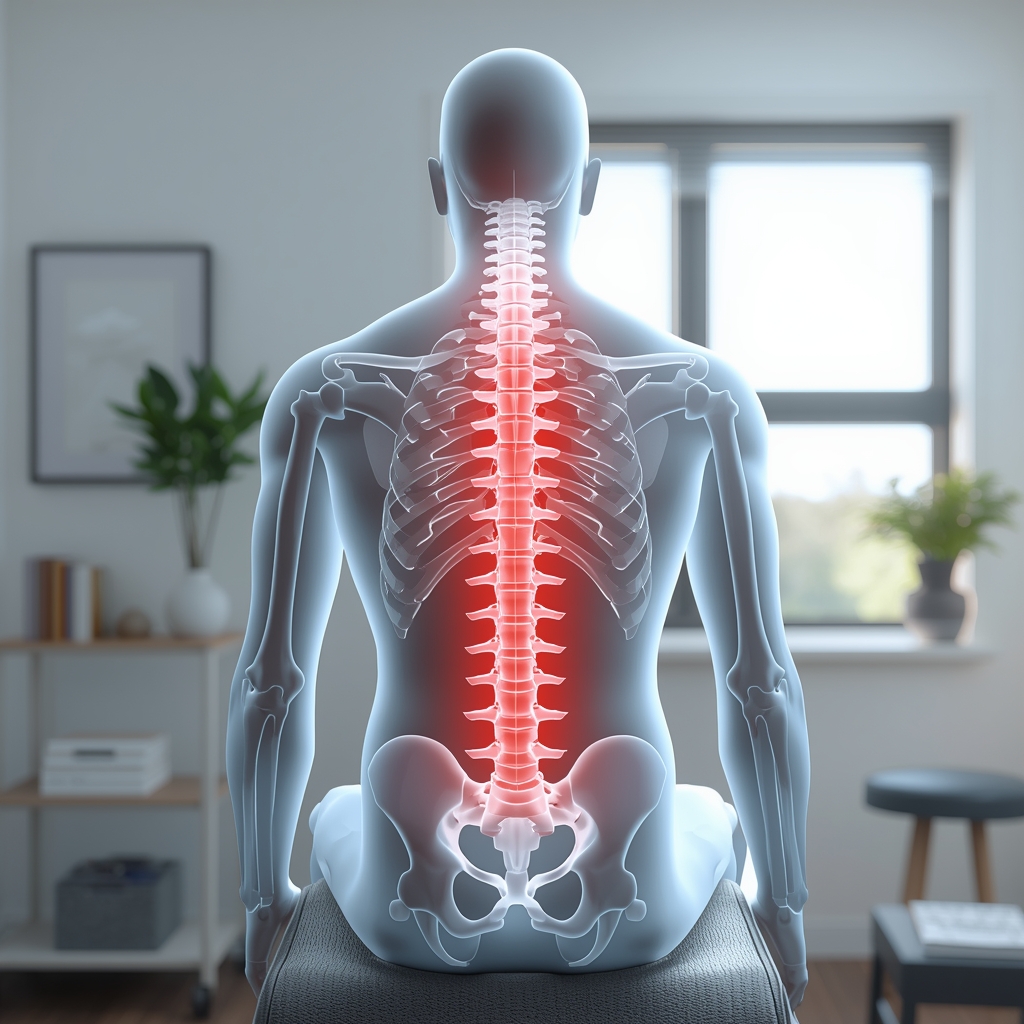
Anatomy of the Lumbar Facet Joints
The lumbar spine's facet joints are synovial joints that connect adjacent vertebrae, playing a critical role in spinal stability and movement. Their orientation—primarily sagittal plane alignment—limits rotational motion while allowing flexion and extension. This configuration helps distribute mechanical stress during daily activities. In degenerative disc disease (DDD), altered disc height and vertebral positioning can shift facet joint loading patterns. Understanding this anatomy is essential for recognizing how biomechanical changes contribute to pain and movement restrictions. These joints also contain nerve endings that may become sensitized due to wear, amplifying discomfort. Their structure and function are central to diagnosing and managing lumbar spine conditions, particularly when discs deteriorate.
Biomechanical Role in Movement Patterns
The lumbar facet joints guide motion by restricting excessive rotation and lateral bending, ensuring smooth spinal movement. Their orientation affects how forces are transmitted across the spine during activities like bending or twisting. In DDD, disc degeneration can cause vertebral subluxations, altering joint mechanics. This may lead to compensatory movement patterns, such as increased lumbar lordosis or restricted range of motion. Such changes can strain surrounding muscles and ligaments, exacerbating pain. Facet joint orientation also influences the distribution of shear forces; misalignment may increase joint compression. These biomechanical shifts highlight why patients with DDD often experience stiffness and localized discomfort. Addressing these patterns is key to effective rehabilitation strategies.
Impact on Pain Generation
Facet joint orientation directly affects pain generation by influencing joint loading and nerve activation. In DDD, degenerated discs may cause abnormal vertebral motion, leading to facet joint overuse and inflammation. This can irritate periarticular nerves, triggering localized pain or referred discomfort. The joints’ synovial lining may also develop osteophytes, further restricting movement and causing pain. Patients often report pain during specific motions, such as standing or twisting, due to these mechanical disruptions. Additionally, chronic inflammation from altered joint mechanics can sensitize nerve endings, prolonging discomfort. Understanding this relationship helps clinicians identify pain sources and tailor interventions. It underscores the need for targeted approaches to restore normal joint function and reduce irritation.
Interplay with Degenerative Disc Disease
DDD and facet joint changes are closely linked, as disc degeneration alters spinal mechanics. Reduced disc height increases load on the facet joints, accelerating wear and tear. This can lead to hypertrophy, joint space narrowing, and altered motion segments. The lumbar spine’s natural curvature may also change, further straining the facet joints. These adaptations often result in pain, stiffness, and reduced mobility. Patients may develop protective postures to minimize discomfort, which can create secondary issues in other spinal regions. The interplay between disc and facet joint degeneration complicates diagnosis, as symptoms overlap. Recognizing this connection is vital for developing comprehensive treatment plans that address both structures, improving long-term outcomes for affected individuals.
Clinical Implications for Chiropractic Care
Chiropractors assess lumbar facet joint orientation to identify movement dysfunctions and pain sources in DDD patients. Techniques like spinal manipulation aim to restore normal joint mechanics, reducing pain and improving mobility. Adjustments may help realign vertebrae, decreasing abnormal stress on facet joints. Soft tissue therapies and rehabilitative exercises can also address compensatory patterns. Patient education on posture and movement strategies is critical for preventing further joint strain. Regular monitoring allows for adjustments to treatment plans as conditions evolve. By focusing on biomechanical restoration, chiropractic care supports the spine’s natural healing processes. Collaboration with other healthcare providers ensures a holistic approach to managing DDD-related symptoms.
Summary and Key Takeaways
The lumbar spine’s facet joints are vital for movement and stability, with their orientation influencing how forces are distributed. In DDD, degenerative changes alter these mechanics, leading to pain and restricted motion. Understanding this relationship helps clinicians develop targeted interventions. Chiropractic care focuses on restoring normal joint function through adjustments and therapeutic strategies. Patients should consult qualified providers to explore options tailored to their condition. Addressing biomechanical imbalances is key to managing DDD effectively. Continued research and clinical expertise ensure that treatments evolve to meet patient needs. A multidisciplinary approach enhances outcomes, promoting long-term spinal health and pain relief.














