
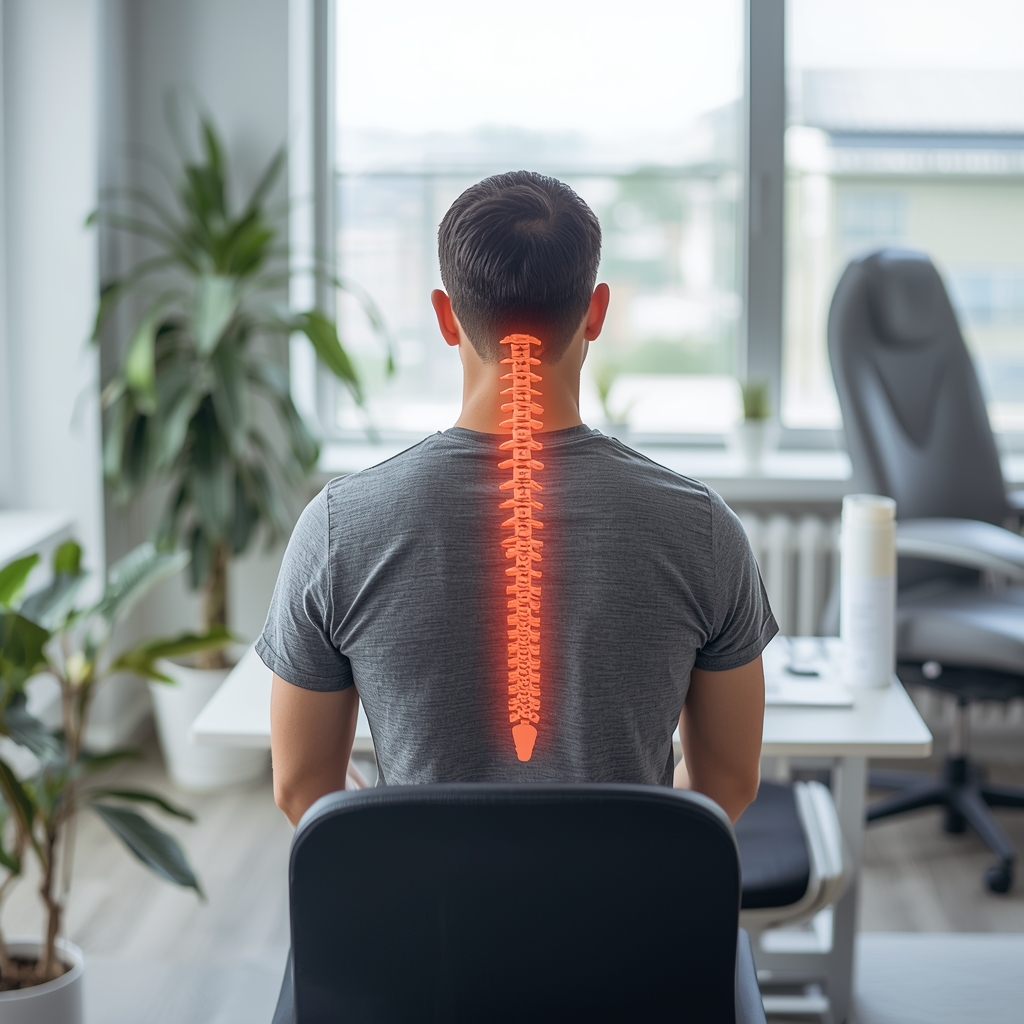
Understanding Post-Concussion Cognitive Symptoms
Post-concussion cognitive symptoms include memory lapses, difficulty concentrating, and slowed processing speed. These issues often stem from disrupted neural pathways following head trauma. While traditional medical approaches focus on rest and gradual return to activity, chiropractic care addresses biomechanical factors that may exacerbate these symptoms. By evaluating spinal alignment and nervous system function, chiropractors aim to support the body’s natural healing processes. It’s important to note that chiropractic protocols are not a substitute for medical evaluation but can complement standard care. Patients should always consult licensed healthcare providers for a comprehensive treatment plan.
Spinal Adjustments and Neural Function
Spinal adjustments are a cornerstone of chiropractic care, aiming to restore proper alignment and nerve function. Misalignments, or subluxations, may interfere with communication between the brain and body, potentially worsening cognitive symptoms. By gently realigning the spine, chiropractors seek to reduce nervous system stress and promote optimal brain-body interactions. This approach is often used in conjunction with other therapies to address the multifaceted nature of post-concussion recovery. While research on direct cognitive benefits is limited, many patients report improved focus and mental clarity after adjustments. As with any treatment, results vary, and individualized care is essential.
Soft Tissue Techniques for Brain-Body Communication
Soft tissue therapies, such as myofascial release and Active Release Technique (ART), target tension in muscles and connective tissues that may contribute to post-concussion discomfort. These methods can alleviate headaches, neck pain, and restricted movement, indirectly supporting cognitive recovery by reducing physical stressors. For example, tight cervical muscles may impair blood flow or nerve signaling, potentially affecting mental function. Chiropractors often combine these techniques with spinal adjustments to enhance overall wellness. Patients should discuss any pre-existing conditions or sensitivities with their provider before undergoing soft tissue treatments. The goal is to create a balanced, pain-free environment for the body to heal.
Integrating Neurocognitive Assessments
Some chiropractors incorporate neurocognitive assessments to track progress and tailor care plans. Tools like balance tests, reaction time measurements, and memory evaluations help identify areas needing support. These assessments provide objective data, allowing practitioners to adjust protocols as needed. For instance, if a patient struggles with attention, the care plan might emphasize strategies to reduce sensory overload. While not a replacement for specialized neurological testing, these evaluations offer valuable insights into the patient’s recovery journey. Open communication between patient and provider is key to ensuring assessments align with individual needs and goals.
Patient Education and Lifestyle Modifications
Chiropractors often guide patients in adopting lifestyle changes to support cognitive recovery. This includes sleep hygiene, nutrition advice, and stress management techniques. For example, optimizing sleep patterns can enhance brain recovery, while reducing screen time may alleviate mental fatigue. Patients are also encouraged to engage in gentle physical activity, as movement promotes blood flow and neural plasticity. Education on recognizing symptom triggers, such as overstimulation or poor posture, empowers individuals to take an active role in their care. These strategies complement manual therapies, fostering a holistic approach to post-concussion wellness.
Collaborative Care with Other Professionals
Effective post-concussion management often requires a multidisciplinary approach. Chiropractors may collaborate with neurologists, physical therapists, and mental health professionals to address all aspects of recovery. For instance, a neurologist might handle medical diagnostics, while a chiropractor focuses on biomechanical support. This teamwork ensures patients receive comprehensive care without conflicting treatments. Communication between providers is critical to avoid duplication and ensure alignment with the patient’s goals. Patients should feel empowered to ask about care coordination and how different therapies interact. Such collaboration highlights the value of integrative approaches in complex cases.














