
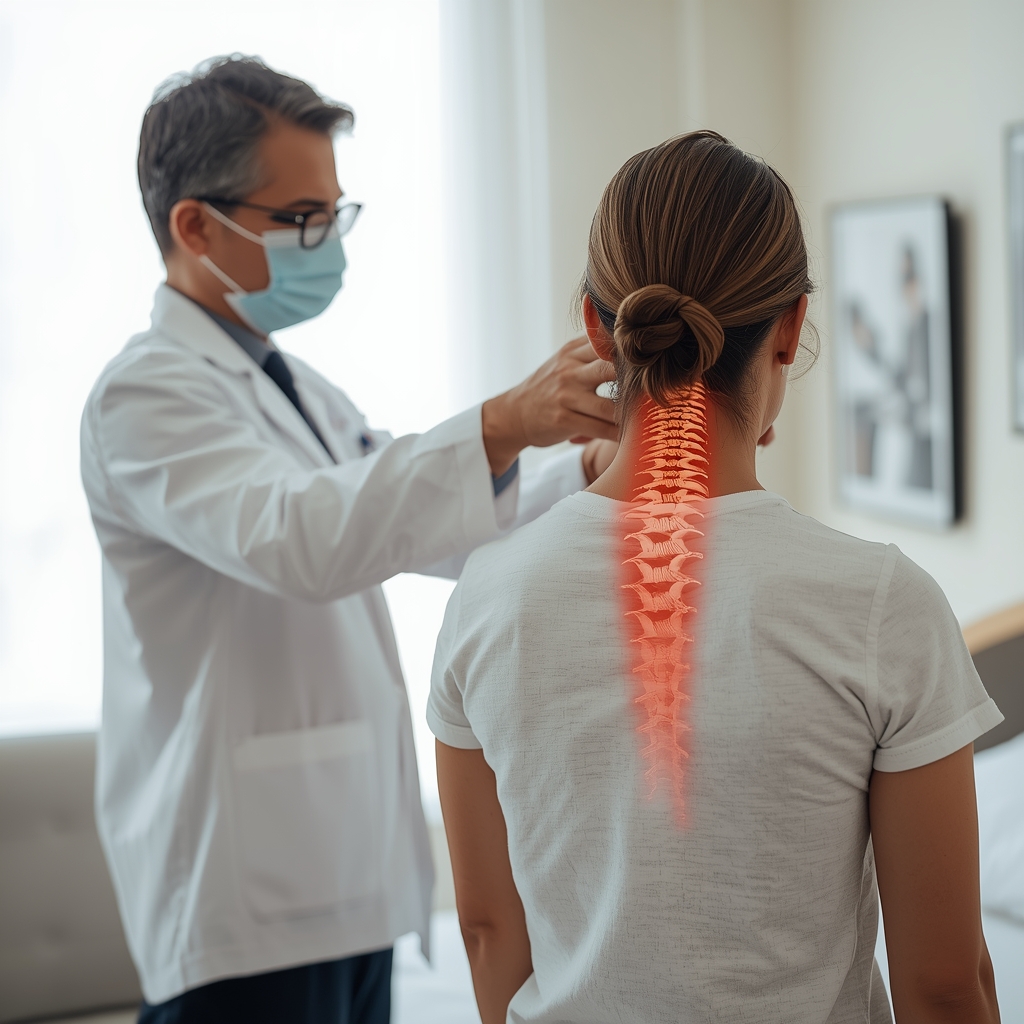
Understanding the Conditions
Thoracic Outlet Syndrome (TOS) and Cervical Radiculopathy are distinct conditions affecting the upper body, often requiring careful differentiation. TOS involves compression of nerves or blood vessels in the thoracic outlet, leading to symptoms like arm pain, numbness, and weakness. Cervical Radiculopathy, conversely, results from nerve root irritation in the cervical spine, typically causing radiating pain, tingling, or muscle weakness in the arms. While both may present with similar symptoms, their underlying causes and diagnostic approaches differ. Chiropractors must recognize these distinctions to guide appropriate care. Understanding the anatomical differences—TOS involving the brachial plexus and vascular structures, while radiculopathy relates to spinal nerve roots—is critical. This foundation enables clinicians to apply targeted examination techniques, ensuring accurate assessment without overgeneralizing findings.
Neurological Assessment Techniques
Chiropractors use neurological exams to evaluate nerve function and identify the source of symptoms. Reflex testing, such as assessing the biceps, brachioradialis, and triceps reflexes, helps detect nerve irritation. Sensory examination involves testing for changes in sensation across dermatomes, while muscle strength testing evaluates for weakness patterns. In TOS, symptoms often affect the ulnar nerve distribution, whereas cervical radiculopathy typically follows a specific dermatome. These assessments help differentiate between nerve compression in the thoracic outlet versus the cervical spine. However, findings may overlap, requiring additional tests. Chiropractors must interpret results within the broader clinical context, considering patient history and physical presentation. This systematic approach ensures a more accurate diagnosis, guiding further evaluation and treatment planning.
Provocative Maneuvers and Specific Tests
Provocative maneuvers are key to distinguishing TOS from cervical radiculopathy. Adson’s Test involves assessing radial pulse changes during neck movements, while Wright’s Test evaluates for vascular compromise. The Roos Test, which requires repetitive arm elevation, can reproduce TOS symptoms. For cervical radiculopathy, Spurling’s Test applies axial pressure to the cervical spine, reproducing arm pain. These tests help identify the affected structures but should not be used in isolation. Chiropractors must correlate findings with patient-reported symptoms and physical signs. False positives can occur, so a comprehensive approach is essential. By integrating these techniques with other assessments, clinicians can better determine the origin of symptoms. This process underscores the importance of clinical judgment in complex cases, ensuring patients receive targeted care.
Range of Motion and Postural Analysis
Evaluating range of motion (ROM) and posture provides insights into potential causes of symptoms. Chiropractors assess cervical spine mobility, noting any restrictions or pain during movement. Postural analysis examines alignment, such as forward head posture or elevated shoulders, which may contribute to TOS. In cervical radiculopathy, ROM limitations often correlate with specific nerve root involvement. However, TOS may present with pain exacerbated by certain positions, such as overhead activities. Chiropractors also observe functional movements, like reaching or lifting, to identify symptom triggers. These observations help differentiate between mechanical and neurological causes. While ROM and posture alone are not diagnostic, they inform the clinical picture. Combining this data with other tests enhances diagnostic accuracy, guiding further investigation or treatment strategies.
Imaging and Diagnostic Tools
Imaging and diagnostic tools support clinical findings but are not always required. X-rays may reveal cervical spine abnormalities, while MRI can show nerve root compression in radiculopathy. For TOS, vascular studies or ultrasound might assess blood flow. However, chiropractors typically rely on physical exams as the primary diagnostic method. Imaging is often reserved for complex cases or when red flags are present. Electromyography (EMG) can differentiate nerve root issues from peripheral neuropathies but is less commonly used in chiropractic practice. Chiropractors must balance diagnostic precision with patient safety, avoiding unnecessary radiation or invasive procedures. These tools complement clinical judgment, ensuring a thorough evaluation. Ultimately, the goal is to identify the root cause while minimizing patient exposure to diagnostic risks.
Collaborative Approach with Other Healthcare Providers
Chiropractors often collaborate with physicians, physical therapists, and specialists to confirm diagnoses and manage complex cases. Referrals may be necessary if symptoms suggest vascular involvement or severe nerve compression. Open communication ensures comprehensive care, integrating chiropractic expertise with medical diagnostics. For example, a patient with suspected TOS might benefit from vascular consultation, while cervical radiculopathy could require neurosurgical evaluation. Chiropractors emphasize non-invasive, patient-centered care but recognize the value of interdisciplinary collaboration. This approach aligns with evidence-based practices, ensuring patients receive accurate diagnoses and appropriate treatment. By maintaining professional relationships, chiropractors enhance their ability to address diverse conditions effectively. Such partnerships ultimately improve patient outcomes and satisfaction.














