
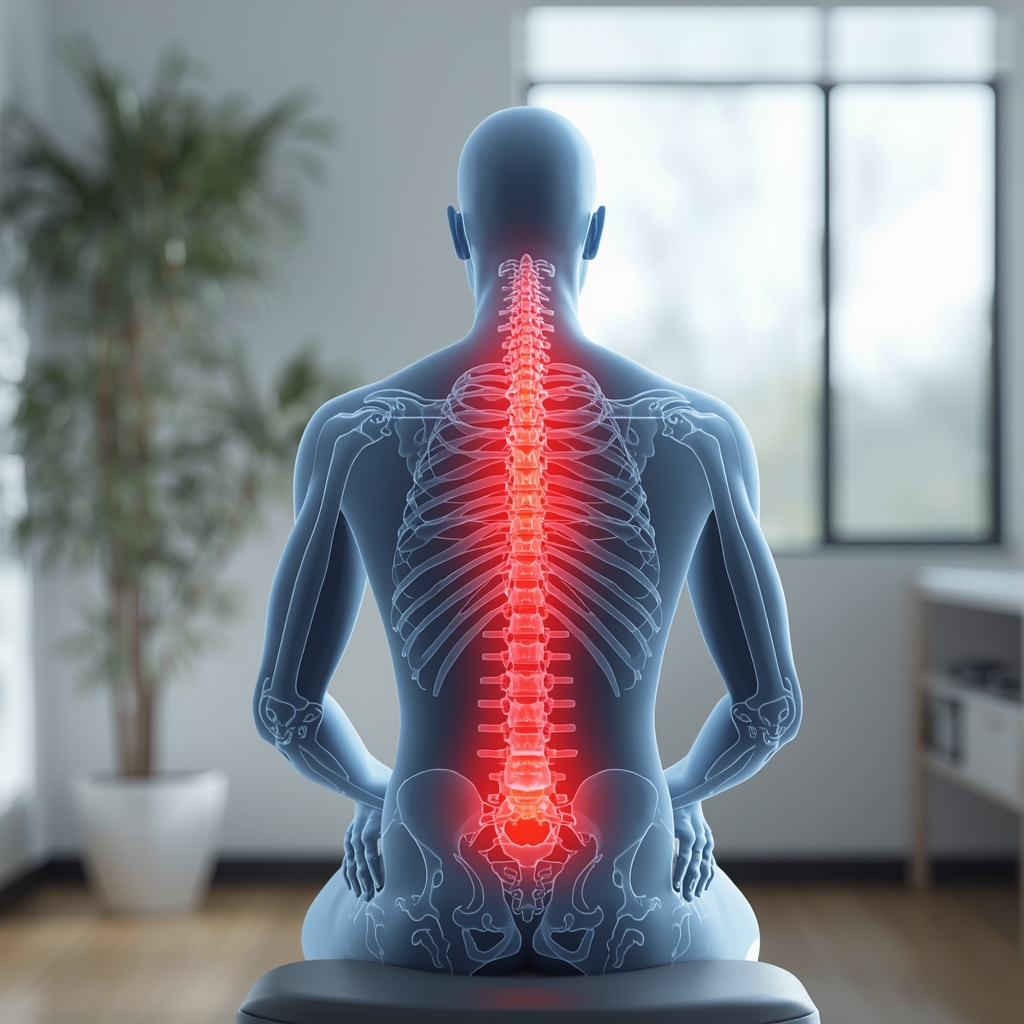
Biomechanical Principles of Spinal Manipulation
Spinal manipulation involves precise, controlled forces applied to the spine to restore proper alignment and function. When vertebrae become misaligned—often due to injury, poor posture, or repetitive strain—they can compress nerves, disrupting communication between the brain and body. By realigning these joints, chiropractors aim to reduce mechanical stress on nerve structures. This process may alleviate pressure on spinal nerves, allowing them to function more efficiently. Biomechanically, the spine’s structure is designed to support movement and stability, and misalignments (subluxations) can impair this balance. Adjustments seek to reestablish optimal joint mobility, which may enhance nerve signal transmission and reduce pain signals originating from compressed nerves.
Neural Mechanisms and Nerve Function
Spinal manipulation may influence nerve function through complex interactions with the nervous system. When a nerve is compressed, it can lead to altered sensory feedback, muscle weakness, or pain. Adjustments may stimulate mechanoreceptors in the joints and surrounding tissues, sending signals to the central nervous system that modulate pain perception. This could activate the body’s natural pain-relief mechanisms, such as the release of endorphins. Additionally, realigning the spine may reduce irritation to spinal nerves, improving their ability to transmit signals. Research suggests that these neural responses could contribute to reduced inflammation and improved nerve conductivity, though individual outcomes vary. The exact mechanisms remain an active area of study, emphasizing the need for professional evaluation.
Impact on Inflammation and Tissue Healing
Nerve compression often triggers localized inflammation, which can exacerbate pain and slow healing. Spinal manipulation may help mitigate this by improving circulation and lymphatic drainage in the affected area. Enhanced blood flow delivers oxygen and nutrients to damaged tissues, supporting repair processes. Additionally, adjustments might reduce the release of pro-inflammatory molecules, lessening swelling around nerves. While the direct link between manipulation and inflammation control is not fully understood, clinical observations suggest that patients often experience reduced discomfort following treatment. This effect could be partly due to the body’s response to mechanical realignment, which may normalize biochemical signals involved in tissue repair. However, such outcomes are best evaluated by a qualified chiropractor to ensure safety and appropriateness for individual cases.
Reflexes and Muscle Tone Regulation
Spinal manipulation can influence reflexes and muscle tone, which are critical for maintaining spinal stability and nerve health. Compressed nerves may cause muscles to become either overly tense or weak, leading to further mechanical strain. Adjustments may help reset these neuromuscular pathways by stimulating proprioceptors—sensory receptors that detect joint position and movement. This stimulation can reduce muscle spasms and restore balanced tension, alleviating pressure on nerves. For example, a misaligned vertebra might cause a muscle to tighten, contributing to nerve compression. By correcting this misalignment, chiropractors aim to normalize muscle function, which can improve nerve signaling and reduce pain. These effects highlight the interconnected nature of the musculoskeletal and nervous systems, underscoring the importance of professional care for complex conditions.
Evidence-Based Insights and Research
While the scientific understanding of spinal manipulation continues to evolve, studies suggest it may offer benefits for nerve compression by addressing biomechanical and neurological factors. Research indicates that adjustments can improve range of motion, reduce pain, and enhance functional outcomes in some patients. However, the evidence is often context-dependent, with varying results across conditions and individuals. For instance, spinal manipulation is widely studied for lower back pain, where it may provide relief by reducing nerve irritation. Despite these findings, it is crucial to approach such treatments with a critical perspective. The effectiveness of spinal manipulation depends on accurate diagnosis, proper technique, and individual patient factors. Patients should consult a licensed chiropractor to explore whether this approach aligns with their specific needs and health goals.
Safety and Professional Guidance
Spinal manipulation is generally considered safe when performed by a trained and licensed chiropractor. However, it is not a one-size-fits-all solution and requires careful assessment to avoid risks. Conditions such as severe osteoporosis, spinal cord compression, or certain vascular issues may contraindicate manipulation. A thorough evaluation by a healthcare provider is essential to determine suitability. Chiropractors use tailored techniques based on a patient’s unique anatomy and condition, ensuring adjustments are both effective and safe. While many people experience relief from nerve compression through these methods, individual responses can vary. Patients should prioritize open communication with their chiropractor to address concerns and monitor progress. Ultimately, spinal manipulation should be part of a comprehensive care plan, guided by professional expertise and evidence-based practices.













