
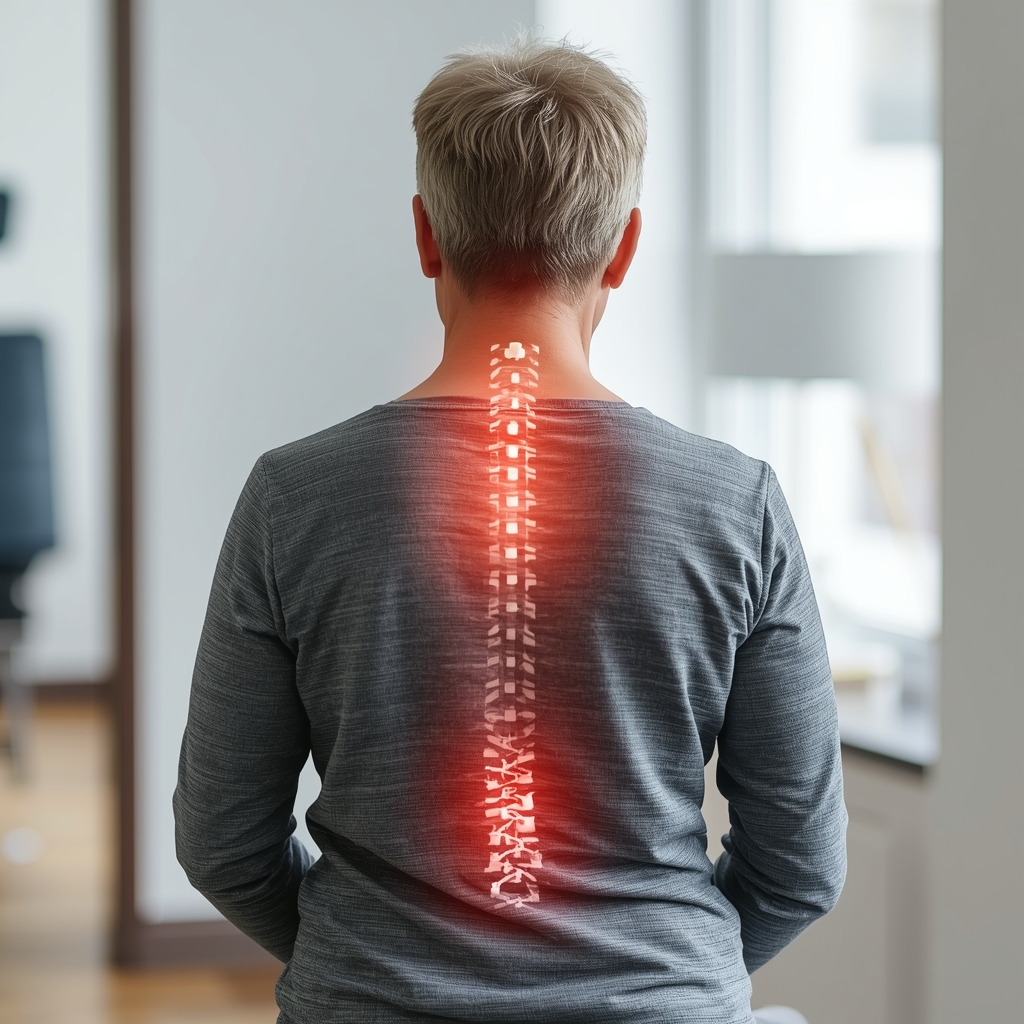
Debunking the Myth: Chiropractic Adjustments Are Safe for Seniors
The belief that chiropractic adjustments are unsafe for elderly patients persists despite growing evidence to the contrary. Many assume that older adults’ bones and joints are too fragile for spinal manipulation, but this misconception overlooks the adaptability of chiropractic care. Modern techniques prioritize patient safety, with adjustments tailored to individual needs, including seniors. Research consistently shows that chiropractic care, when performed by licensed professionals, carries minimal risk for older adults, making it a viable option for managing age-related musculoskeletal issues.
Scientific Evidence Supports Safe Care for Older Adults
Studies on chiropractic safety in elderly populations highlight its effectiveness and low risk profile. For example, a 2018 review in the *Journal of the American Geriatrics Society* found that spinal manipulative therapy (SMT) was associated with fewer adverse events in older adults compared to pharmaceutical interventions for back pain. Additionally, guidelines from the National Institute for Health and Care Excellence (NICE) acknowledge chiropractic care as a safe, non-invasive option for musculoskeletal conditions in seniors. These findings underscore that, when properly administered, adjustments can enhance mobility and reduce pain without significant risk.
Adverse Events Are Rare and Generally Mild
While no medical intervention is entirely risk-free, adverse events from chiropractic adjustments in older adults are uncommon and typically minor. A 2020 study published in *Chiropractic & Osteopathy* reported that less than 1% of elderly patients experienced temporary side effects like mild soreness or fatigue. Serious complications, such as stroke or vertebral artery injury, are exceptionally rare and often linked to pre-existing health conditions rather than the adjustments themselves. Chiropractors undergo extensive training to identify contraindications, ensuring care is safe for patients with osteoporosis, arthritis, or other age-related concerns.
Comparing Risks: Chiropractic vs. Other Treatments
When evaluating safety, it’s essential to compare chiropractic care to other treatment options. Medications for pain and inflammation, common in elderly populations, carry risks like gastrointestinal bleeding, kidney damage, or falls due to dizziness. Surgery, another alternative, involves anesthesia, infection risks, and prolonged recovery. In contrast, chiropractic adjustments offer a non-invasive, drug-free approach with minimal side effects. This risk-benefit analysis supports the argument that chiropractic care can be a safer choice for many older adults, provided it is delivered by a qualified practitioner.
Customized Care Minimizes Risks for Seniors
Chiropractors employ specialized techniques to accommodate the unique needs of elderly patients. Instead of traditional high-velocity adjustments, many use low-force methods like soft-tissue therapy, mobilization, or instrument-assisted adjustments. These approaches reduce strain on bones and joints while still addressing misalignments. Additionally, practitioners conduct thorough assessments to identify conditions that might contraindicate certain techniques. By personalizing care, chiropractors ensure that older adults receive safe, effective treatment that aligns with their health status and goals.
Consulting a Qualified Professional Is Key
While the evidence supports the safety of chiropractic care for seniors, it is crucial to seek treatment from a licensed, experienced provider. A qualified chiropractor will review a patient’s medical history, current medications, and any underlying conditions before recommending adjustments. Open communication between patient and practitioner ensures that care is tailored to individual needs. For older adults considering chiropractic care, discussing concerns with a healthcare provider can help determine if it is a suitable option, reinforcing that safety hinges on proper evaluation and personalized treatment planning.












