
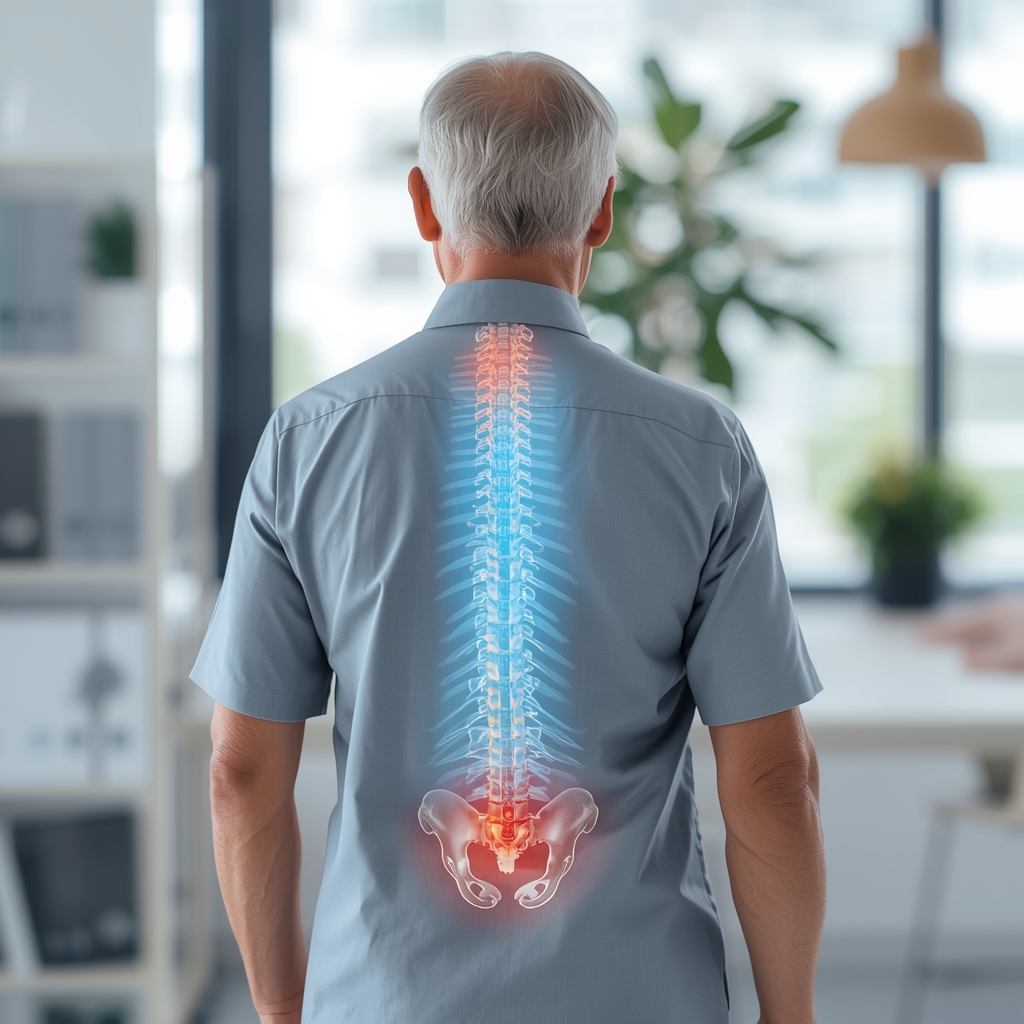
Understanding Spinal Stenosis in Elderly Patients
Spinal stenosis occurs when the spinal canal narrows, compressing nerves and causing pain, numbness, or weakness. This condition is common in older adults due to age-related degeneration. While surgery remains an option, non-surgical chiropractic care offers safer, less invasive alternatives. Elderly patients often seek protocols that minimize risks while addressing symptoms. Chiropractors focus on improving mobility, reducing inflammation, and enhancing nerve function through tailored approaches. These methods prioritize patient comfort and long-term wellness, making them particularly appealing for older populations. Understanding emerging protocols helps patients make informed choices about their care. Collaboration between chiropractors and other healthcare providers ensures comprehensive management of spinal stenosis.
Spinal Decompression Therapy
Spinal decompression therapy is a non-surgical technique that gently stretches the spine to relieve pressure on compressed nerves. This method uses specialized equipment to create negative pressure in the discs, promoting healing and reducing pain. For elderly patients, decompression therapy can alleviate symptoms like sciatica or lower back pain caused by stenosis. It is often combined with other treatments to enhance outcomes. The therapy is generally safe for older adults, though its suitability depends on individual health factors. Practitioners customize sessions to avoid overexertion, ensuring comfort and effectiveness. Many patients report improved mobility and reduced reliance on medications. As research continues, decompression therapy remains a promising option for managing spinal stenosis without surgery.
Soft Tissue and Manual Techniques
Chiropractors often use soft tissue therapies to address muscle tension and inflammation around the spine. Techniques like Active Release Technique (ART) or Graston Therapy target scar tissue and adhesions, improving flexibility and reducing pain. These methods are particularly beneficial for elderly patients with limited mobility. Manual adjustments, such as low-force or instrument-assisted techniques, help realign the spine without excessive force. By relieving pressure on nerves and joints, these approaches can enhance function and comfort. Combining soft tissue work with spinal adjustments creates a holistic treatment plan. Patients may experience gradual symptom relief and improved quality of life. Chiropractors tailor these protocols to each individual’s needs, ensuring safety and efficacy for older adults.
Posture and Ergonomic Modifications
Improving posture and ergonomics plays a critical role in managing spinal stenosis. Chiropractors guide patients in adopting positions that reduce spinal pressure during daily activities. For example, proper sitting and standing techniques can prevent exacerbating symptoms. Customized ergonomic recommendations, such as supportive chairs or orthotics, further aid in maintaining spinal alignment. These adjustments help distribute weight evenly, minimizing strain on affected areas. Elderly patients often benefit from education on body mechanics to prevent further deterioration. Chiropractors may also recommend gentle exercises to strengthen core muscles, supporting better posture. By integrating these modifications into daily routines, patients can achieve long-term symptom relief and greater independence.
Integrative Approaches and Complementary Therapies
Emerging protocols often combine chiropractic care with other therapies to enhance outcomes. For instance, cold laser therapy may reduce inflammation, while acupuncture addresses pain pathways. Chiropractors may also incorporate corrective exercises to improve stability and flexibility. These integrative methods work synergistically to support spinal health. For elderly patients, combining treatments can offer more comprehensive relief than any single approach. Practitioners carefully select complementary therapies based on individual needs and medical history. This collaborative strategy ensures safety and effectiveness, particularly for those with multiple health conditions. Patients are encouraged to discuss all treatment options with their chiropractor to create a balanced care plan.
Conclusion and Next Steps
Non-surgical chiropractic protocols provide valuable options for managing spinal stenosis in elderly patients. Techniques like decompression therapy, soft tissue work, and posture adjustments offer safe, effective ways to reduce symptoms and improve mobility. As research advances, these methods continue to evolve, offering new possibilities for care. Patients should consult qualified chiropractors to explore personalized treatment plans. Open communication with healthcare providers ensures that protocols align with overall health goals. By prioritizing non-invasive approaches, elderly individuals can maintain independence and quality of life. Exploring these emerging strategies empowers patients to make informed decisions about their spinal health.















